
Short Answer
Understanding Optical Engineering Challenges
Optical engineering encompasses the design and development of systems and components that manipulate light. Addressing complex issues in this field requires a methodical approach, much like a navigator steering through unpredictable seas. Challenges can range from correcting optical distortions to selecting appropriate materials or optimizing system configurations. Clearly defining the problem is the foundational step, ensuring that the scope is well understood and that efforts are focused on the precise aspects needing resolution.
Fundamental Principles of Light Behavior
At the core of optical engineering lies the physics of light, including phenomena such as reflection, refraction, diffraction, and interference. Mastery of these principles is essential for predicting how design changes will affect system performance. For example, the Fresnel equations describe how light waves behave when transitioning between different media, providing critical insight into interface interactions. This theoretical framework acts as a guiding compass, enabling engineers to navigate complex design considerations with confidence.
Leveraging Existing Research and Knowledge
Before embarking on new solutions, it is vital to conduct an exhaustive review of existing literature. The field is rich with scholarly articles, case studies, and technical documentation that detail prior approaches to similar problems. Drawing from this collective knowledge base not only inspires innovative ideas but also helps avoid repeating past mistakes. This process is akin to consulting historical records to inform present-day decisions, thereby enhancing efficiency and effectiveness.
The Role of Collaboration in Innovation
Problem-solving in optical engineering thrives on interdisciplinary teamwork. Bringing together experts from diverse domains such as materials science, manufacturing, and computational modeling fosters a fertile environment for creative problem resolution. This synergy often reveals novel perspectives and solutions that might remain hidden when working in isolation. The collaborative process resembles a well-coordinated hive, where collective effort leads to superior outcomes.
Simulation and Modeling Techniques
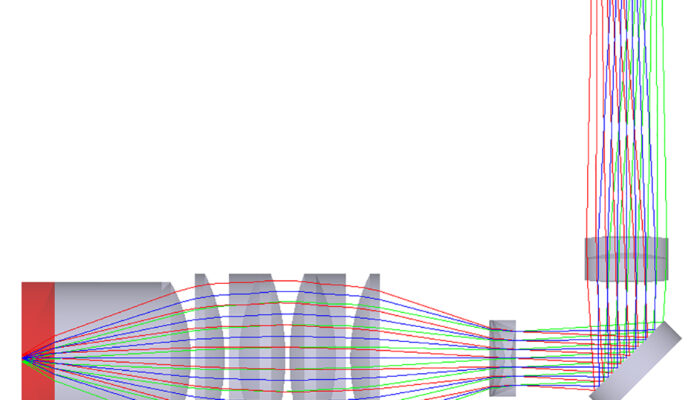
Modern optical engineering heavily relies on advanced simulation tools equipped with ray-tracing and other modeling capabilities. These software solutions enable engineers to visualize and analyze how light interacts with proposed designs before physical prototypes are built. This predictive ability reduces uncertainty and guides design decisions, much like a weather vane provides directional insight during a storm. Simulations allow for rapid iteration and optimization, saving time and resources.
Prototyping and Empirical Validation
Following simulations, constructing physical prototypes is crucial for testing theoretical concepts under real-world conditions. Prototyping serves as a practical experiment, revealing performance strengths and weaknesses that simulations might not fully capture. This iterative process of building, testing, and refining enhances both the optical quality and the engineer’s understanding of practical constraints. It is comparable to a blacksmith shaping metal through repeated heating and hammering until the desired form is achieved.
Importance of Feedback and Iterative Improvement
Systematic testing and gathering feedback from peers or end-users are indispensable for refining optical designs. Constructive criticism acts as a reflective tool, highlighting imperfections that may have been overlooked initially. Embracing this feedback fosters a culture of continuous improvement, which is essential for achieving excellence in optical engineering projects.
Embracing Failure as a Learning Opportunity
Failure should be viewed not as a setback but as an integral part of the innovation process. Unsuccessful experiments often reveal new directions or alternative solutions that were previously unconsidered. Persistence in overcoming obstacles is akin to an explorer charting unknown territories, where each misstep contributes valuable knowledge and brings one closer to success.
Impact of Emerging Technologies
Recent advancements, particularly in nanotechnology, have significantly transformed optical engineering by enabling manipulation of light at the molecular scale. These innovations open new possibilities for addressing longstanding challenges and enhancing system capabilities. Just as the invention of the telescope expanded humanity’s view of the cosmos, modern technologies broaden the horizons of what optical engineers can achieve today.
Documenting the Problem-Solving Process
Thorough documentation of challenges encountered and solutions developed is essential for knowledge preservation and dissemination. Recording this journey contributes to a growing repository of expertise that benefits the wider optical engineering community. Much like explorers who documented their voyages to guide future travelers, engineers who share their findings help advance the field collectively.
Conclusion: Navigating the Path to Optical Engineering Excellence
Successfully resolving optical engineering problems requires a harmonious blend of scientific understanding, strategic planning, collaboration, and innovation. By clearly defining challenges, grounding solutions in fundamental physics, leveraging teamwork, utilizing simulations, validating through prototyping, and embracing iterative feedback, engineers can effectively navigate uncertainties. This comprehensive approach ensures continual progress and excellence in the development of advanced optical technologies.
FAQ
What is optical engineering?
Optical engineering involves the design and development of systems that manipulate light, addressing challenges like optical distortions and material selection.
Why is collaboration important in optical engineering?
Collaboration fosters interdisciplinary teamwork, leading to innovative solutions and diverse perspectives on complex problems.
What role do simulations play?
Simulations allow engineers to visualize light interactions with designs, guiding decisions before physical prototypes are built.





Leave a Reply