
Short Answer
Definition of Repeat MRI
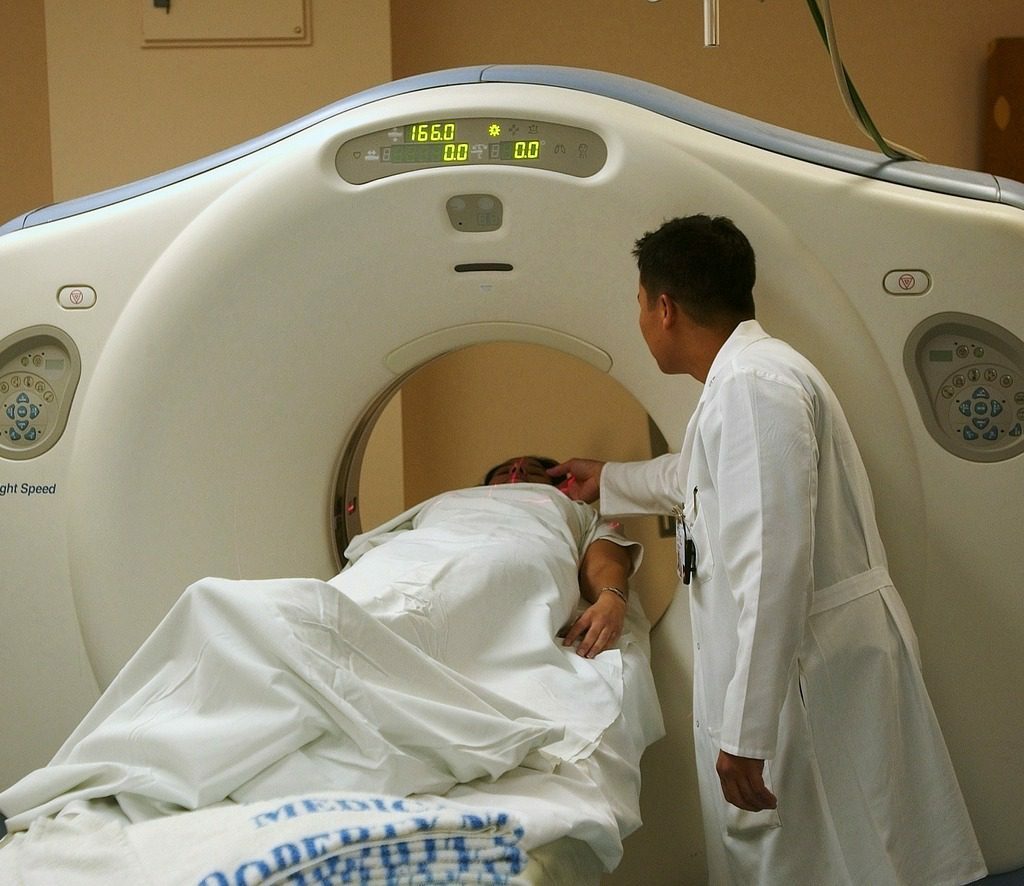
Magnetic Resonance Imaging (MRI) is a non-invasive diagnostic technique that provides detailed images of the body’s internal structures. Occasionally, a patient may need to undergo a second MRI scan, commonly referred to as a repeat MRI. This occurs when the initial imaging does not fully meet diagnostic requirements due to various technical, clinical, or patient-related reasons. Repeat MRIs are essential to ensure accurate diagnosis and effective treatment planning.
Common Causes for Repeating an MRI
Technical Issues and Image Artifacts
One primary reason for conducting a repeat MRI is the presence of technical artifacts-unwanted distortions or anomalies in the images that compromise diagnostic clarity. These artifacts can arise from several sources:
- Patient Movement:
Even minimal motion during the scan can blur images, making it difficult to interpret anatomical details accurately. - Equipment Limitations:
Variations in MRI hardware quality or malfunctions can degrade image resolution. - Imaging Protocol Errors:
Inappropriate or suboptimal scanning sequences may fail to capture the necessary anatomical information.
When such issues occur, repeating the MRI with improved protocols or better patient cooperation is often necessary to obtain clear, diagnostic-quality images.
Incomplete or Inadequate Imaging Protocols
MRI protocols are carefully designed to capture comprehensive views of the target area. However, sometimes essential sequences are omitted during the initial scan due to oversight or time constraints. This is especially critical in complex cases such as neurological disorders or cancer evaluations, where multiple imaging sequences-including pre-contrast and post-contrast phases-are vital for thorough assessment. If key sequences are missing, a repeat MRI is recommended to complete the diagnostic picture.
Clinical Judgment and Radiologist Recommendations
Radiologists play a crucial role in interpreting MRI scans. When initial images reveal ambiguous or suspicious findings, they may suggest a repeat MRI to clarify uncertainties. This is particularly important in differentiating benign from malignant lesions or monitoring disease progression. Additionally, follow-up MRIs are often advised to track changes over time in chronic conditions like multiple sclerosis or to evaluate treatment responses in oncology.
Patient-Specific Considerations
Individual patient factors can also necessitate repeat imaging:
- Anatomical Variations:
Unique structural differences or deformities may require additional imaging to fully understand the anatomy. - Contrast Agent Reactions:
Some patients may experience adverse effects from contrast media, leading to adjustments in imaging protocols and the need for a repeat scan without contrast.
Changes in Medical Condition
Diseases and injuries evolve over time, making follow-up imaging essential. Post-treatment MRIs help assess the effectiveness of interventions such as surgery or chemotherapy. Similarly, injuries may present delayed symptoms or complications that were not visible during the initial scan, warranting a repeat MRI to guide further management.
Psychological and Behavioral Factors
Patient anxiety or discomfort during the MRI procedure can result in movement or incomplete scans. In such cases, repeating the MRI after providing reassurance and education to the patient can improve image quality and diagnostic accuracy.
How Repeat MRI Enhances Diagnostic Accuracy
Repeating an MRI allows clinicians to overcome initial limitations by addressing technical flaws, completing missing imaging sequences, and clarifying ambiguous findings. This iterative process ensures that the images accurately reflect the patient’s condition, enabling precise diagnosis and tailored treatment strategies.
Importance of Repeat MRI in Medical Practice
Repeat MRI scans are vital in modern medicine for several reasons:
- Improved Diagnostic Confidence:
Ensures that clinicians have reliable data to base their decisions on. - Monitoring Disease Progression:
Facilitates tracking of chronic conditions and treatment responses. - Patient Safety:
Helps avoid misdiagnosis and unnecessary invasive procedures.
By understanding the factors that necessitate repeat MRIs, healthcare providers can optimize imaging protocols and patient care, ultimately enhancing clinical outcomes.
Common Misconceptions About Repeat MRI
Repeat MRIs are always due to errors.
While technical issues can prompt repeats, many are clinically justified to monitor disease or improve diagnostic detail.
Repeat MRIs expose patients to harmful radiation.
MRI uses magnetic fields and radio waves, not ionizing radiation, making it safe for repeated use.
Summary
Repeat MRI scans are a critical component of accurate medical imaging, driven by technical, clinical, and patient-specific factors. They ensure comprehensive evaluation, support effective treatment decisions, and contribute to improved patient outcomes. Recognizing when and why a repeat MRI is necessary helps optimize diagnostic workflows and enhances the overall quality of healthcare delivery.
FAQ
What are common reasons for a repeat MRI?
Common reasons include technical issues, incomplete imaging protocols, radiologist recommendations, patient-specific factors, changes in medical conditions, and psychological factors.
Are repeat MRIs safe?
Yes, MRIs use magnetic fields and radio waves, not ionizing radiation, making them safe for repeated use.





Leave a Reply