
Short Answer
Definition of Industrial Instrumentation
Industrial instrumentation refers to the collection of devices and systems engineered to measure, regulate, and monitor various physical parameters such as temperature, pressure, flow rate, and liquid levels within industrial environments. Over time, instrumentation has evolved from simple mechanical gauges to sophisticated digital sensors integrated with automation and data analytics technologies. This progression has made instrumentation a cornerstone for optimizing and controlling industrial processes efficiently.
Categories of Industrial Instrumentation
Instrumentation in industry can be broadly categorized based on their measurement methods, application domains, and the nature of signals they process. The main classifications include:
- Analytical Instruments:
Devices that assess physical and chemical characteristics, including pH meters and gas chromatographs. These instruments are essential for maintaining product quality and adhering to regulatory standards. - Control Instruments:
Systems comprising sensors, controllers, and actuators that regulate process variables. A common example is the PID (Proportional-Integral-Derivative) controller, which ensures processes remain within set operational limits. - Field Instruments:
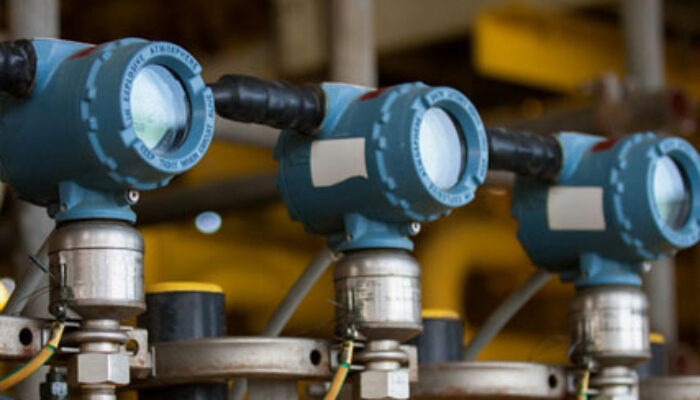
Instruments located at the measurement site, such as pressure transducers and temperature sensors, which convert physical phenomena into electrical signals for further processing. - Data Acquisition Systems:
Platforms that gather and compile data from multiple instruments, enabling real-time monitoring and historical data analysis. Examples include data loggers and SCADA (Supervisory Control and Data Acquisition) systems, which support informed decision-making.
Core Functions of Industrial Instrumentation
Instrumentation fulfills three fundamental roles within industrial operations: measurement, control, and communication. These functions work synergistically to ensure smooth and efficient process management.
Measurement
The primary role of instrumentation is to accurately quantify process variables. Precise measurement is critical for quality assurance in manufacturing and other industrial activities. For example, measuring the flow rate of liquids in pipelines requires instruments capable of operating reliably under challenging conditions. Detecting deviations in these measurements can highlight potential issues early, enabling maintenance before failures occur.
Control
Following measurement, instrumentation systems regulate process parameters to maintain desired conditions. Automated control mechanisms adjust variables based on feedback from sensors, optimizing performance. For instance, in distillation processes, maintaining precise temperature control is vital for effective component separation. Control instruments help operators keep these parameters within strict limits, enhancing efficiency and reducing energy consumption.
Communication
Modern industrial instrumentation emphasizes seamless communication between devices and operators. Many instruments now incorporate wireless technologies, facilitating remote monitoring and data transmission. This connectivity allows operators to oversee processes without being physically present, which is especially important in hazardous environments. Enhanced communication capabilities support timely, data-driven decisions and proactive process management.
Advantages of Instrumentation in Industrial Settings
Implementing advanced instrumentation systems offers numerous benefits, including:
- Improved Operational Efficiency:
Precise control of process variables reduces downtime, increases production throughput, and enhances overall system performance. - Cost Savings:
Accurate measurement and control minimize waste and lower energy usage, resulting in significant financial savings, which is crucial in competitive industries. - Enhanced Safety:
Continuous monitoring of safety-critical parameters helps detect hazards early, preventing accidents and ensuring compliance with safety regulations. - Data-Driven Insights:
Ongoing data collection enables detailed analysis, supporting predictive maintenance and operational improvements that boost productivity.
Technological Advancements and the Future of Instrumentation
The future landscape of industrial instrumentation is being shaped by emerging technologies associated with the Fourth Industrial Revolution. Integration of artificial intelligence (AI) and machine learning (ML) into instrumentation systems will enable advanced predictive analytics, enhancing decision-making processes. Additionally, the Internet of Things (IoT) will foster extensive connectivity among devices, improving communication and operational transparency across entire supply chains.
Significance of Instrumentation in Industry
Instrumentation is a vital component in modern industrial operations, underpinning the accurate measurement, effective control, and reliable communication necessary for process optimization. Its role extends beyond efficiency improvements to ensuring product quality and workplace safety. As industries face increasing complexity and competition, investing in cutting-edge instrumentation technologies is essential for sustaining growth and maintaining a competitive edge.
FAQ
What is industrial instrumentation?
Industrial instrumentation refers to the use of devices and systems to measure, monitor, and control physical parameters such as temperature, pressure, and flow in industrial processes.
Why is instrumentation important in industrial processes?
It ensures accurate measurement and control of process variables, which improves efficiency, safety, and product quality.
What types of instruments are used in industrial instrumentation?
Common types include analytical instruments, control instruments, field instruments, and data acquisition systems.
How are modern technologies shaping industrial instrumentation?
Emerging technologies like AI, machine learning, and IoT enable advanced analytics, automation, and enhanced connectivity in instrumentation systems.


Leave a Reply