
Short Answer
Definition of Instruments and Gauges
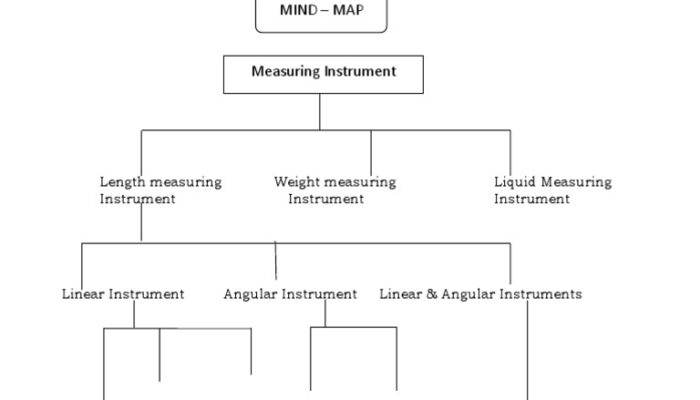
Measurement terminology can often be complex and confusing, especially when distinguishing between terms that appear similar but have distinct meanings. Two such terms frequently encountered in measurement science and engineering are “instrument” and “gauge.” Although these words are sometimes used interchangeably in everyday language, they represent different categories of devices with unique roles and characteristics.
- Instrument:
A broad category of devices designed to measure, observe, or control various physical quantities. Instruments range from simple tools to highly sophisticated machinery used in scientific and engineering fields. - Gauge:
A specific subset of instruments primarily focused on measuring physical dimensions or quantities, often emphasizing straightforward, practical assessments.
Characteristics and Functions
Instruments are engineered to provide precise, standardized measurements across a wide range of parameters. Their complexity can vary significantly, from basic devices like thermometers to advanced equipment such as oscilloscopes or mass spectrometers. The primary goal of instruments is to deliver reliable data that supports scientific research, quality assurance, and technological development.
Gauges, by contrast, are typically simpler and more specialized. They are designed for quick, direct readings of specific physical properties such as pressure, thickness, or depth. For example, a tire pressure gauge offers an immediate numerical value indicating air pressure, facilitating rapid decision-making in practical scenarios. While all gauges fall under the umbrella of instruments, not all instruments qualify as gauges due to their broader capabilities and complexity.
Operational Context and Usage
The environments in which instruments and gauges are employed further highlight their differences. Instruments are commonly found in laboratories and high-tech industries where detailed analysis and precision are critical. Scientists and engineers rely on these tools to gather complex data and perform multidimensional evaluations.
Gauges, on the other hand, are prevalent in everyday applications across sectors such as automotive, manufacturing, and construction. Their user-friendly design allows operators to quickly assess conditions and make informed decisions without requiring extensive technical knowledge. This accessibility makes gauges essential for bridging the gap between sophisticated measurement science and practical, real-world use.
Design and Durability Considerations
Instruments are often built to withstand diverse environmental conditions and operational demands, reflecting their role in rigorous scientific and industrial settings. For instance, a mass spectrometer is a highly intricate instrument capable of performing detailed chemical analyses under varying circumstances.
Gauges, while generally robust, tend to be optimized for specific measurement tasks within predictable environments. A dial gauge, for example, is precisely calibrated to measure a particular physical attribute without the need for extensive adjustments or recalibration in different conditions.
Historical and Etymological Background
The origins of the terms “instrument” and “gauge” provide insight into their conceptual distinctions. “Instrument” stems from the Latin word instrumentum, meaning a tool or device used to achieve a purpose, emphasizing its role as a means to gain deeper understanding or control.
Conversely, “gauge” derives from the Old French jauger, which means to measure or estimate, highlighting its function as a straightforward measuring tool designed for quick assessments.
Technological Evolution and Modern Trends
Advancements in technology have increasingly blurred the lines between gauges and instruments. Modern digital gauges equipped with microprocessors now offer enhanced capabilities traditionally associated with complex instruments, such as data logging and advanced analysis, while maintaining ease of use.
This convergence reflects ongoing innovation in measurement technology, where devices combine precision, versatility, and user-friendly interfaces, challenging the conventional distinctions between these categories.
Why Understanding the Difference Matters
Recognizing the distinction between gauges and instruments is fundamental to appreciating the scope and complexity of measurement science. Instruments encompass a wide range of sophisticated devices essential for precise and comprehensive data collection, whereas gauges serve as practical tools for immediate, accessible measurement.
This differentiation informs design choices, application contexts, and operational strategies across scientific, industrial, and everyday settings. A clear grasp of these concepts enhances our ability to select appropriate tools, interpret measurements accurately, and advance technological progress.
Summary
In summary, while gauges and instruments are interconnected within the field of measurement, they represent different levels of complexity, functionality, and application. Instruments provide detailed, precise measurements often required in scientific research and advanced engineering, whereas gauges offer straightforward, practical readings suited for routine use. Understanding these distinctions enriches our comprehension of measurement tools and their vital role in exploring and managing the physical world.
FAQ
What is a gauge?
A gauge is a specific measurement device used for assessing physical quantities like pressure or thickness, designed for quick and practical use.
How does an instrument differ from a gauge?
Instruments cover a wide range of complex measurement devices for precise data, whereas gauges are simpler tools focused on immediate measurements.
Are all gauges instruments?
Yes, all gauges are instruments, but not all instruments are gauges.
Where are gauges commonly used?
Gauges are commonly found in industries such as automotive, manufacturing, and construction for practical measurement needs.
How have digital gauges changed measurement tools?
Digital gauges integrate advanced functions traditionally found in instruments while maintaining user-friendly interfaces.


Leave a Reply