
Short Answer
Definition of Vegetarianism and Its Environmental Context
Vegetarianism is a dietary practice that excludes meat consumption, often adopted for health, ethical, or environmental reasons. In the context of ecological sustainability, vegetarianism is frequently promoted as a lifestyle that can reduce an individual’s environmental impact, particularly by lowering greenhouse gas emissions and conserving natural resources. However, the environmental implications of vegetarianism are complex and multifaceted, requiring a comprehensive understanding beyond the simple avoidance of meat.
Environmental Impact of Animal Agriculture
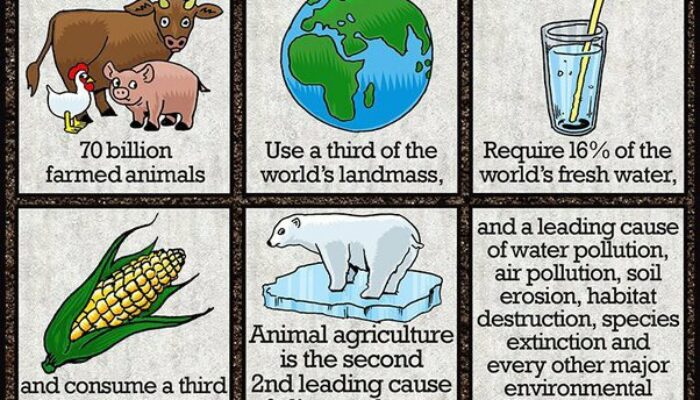
Animal farming is widely recognized as a major contributor to environmental degradation. It demands extensive land use, significant water consumption, and substantial fossil fuel inputs. Globally, livestock production is responsible for approximately 14.5% of greenhouse gas emissions, primarily due to methane released during enteric fermentation and manure management, alongside carbon dioxide and nitrous oxide from various farming activities. These emissions contribute significantly to climate change, while the need for grazing and feed crop cultivation drives deforestation and habitat loss.
Vegetarianism and Resource Efficiency
Shifting dietary patterns from meat to plant-based foods generally reduces the agricultural footprint. Plant cultivation for direct human consumption typically requires fewer resources such as land and water compared to raising livestock. This transition can be likened to converting a resource-draining ecosystem into a more sustainable and productive one, potentially preserving forests and wetlands and promoting biodiversity. By favoring crops over animals, vegetarian diets can support ecosystem resilience and reduce pressure on natural habitats.
Factors Influencing the Environmental Sustainability of Vegetarian Diets
The ecological benefits of vegetarianism are not guaranteed and depend heavily on various factors:
- Agricultural Practices:
Intensive monoculture farming, reliant on chemical fertilizers and pesticides, can degrade soil health, reduce biodiversity, and cause pollution, potentially offsetting the environmental gains of a plant-based diet. - Food Transportation:
The carbon footprint of transporting plant-based foods, especially those imported over long distances, can be substantial. For example, exotic fruits like avocados grown in distant tropical regions may have a higher transportation-related carbon cost than locally sourced meat. - Geographical and Climatic Context:
The sustainability of vegetarian diets varies by region, influenced by local agricultural capacity, climate conditions, and infrastructure.
Cultural and Socio-Economic Considerations
Dietary choices are deeply embedded in cultural traditions and socio-economic realities. In some regions, particularly where arable land is scarce or environmental conditions are challenging, livestock plays a crucial role in nutrition, economic stability, and cultural identity. Therefore, advocating for vegetarianism as a universal solution overlooks these contextual factors and may not be practical or beneficial for all populations.
Ethical Dimensions of Vegetarianism in Environmental Discourse
Beyond environmental concerns, vegetarianism is often linked to ethical considerations regarding animal welfare. Many proponents argue that reducing meat consumption aligns with compassion for sentient beings and supports environmental responsibility. However, this ethical stance intersects with the complexities of modern food production systems, where even so-called humane farming practices can involve exploitation. This raises philosophical debates about balancing animal rights with environmental sustainability goals.
Summary of Vegetarianism’s Environmental Role
While vegetarianism has the potential to lower certain environmental impacts, it is not a straightforward or universal remedy for ecological challenges. The overall sustainability of a vegetarian diet depends on agricultural methods, supply chain logistics, local environmental conditions, and socio-cultural factors. Recognizing these nuances is essential to understanding how dietary choices fit into the broader context of environmental stewardship.
Why Vegetarianism Matters in Environmental Sustainability
Adopting a vegetarian diet can be a meaningful step toward reducing one’s ecological footprint and promoting sustainable food systems. However, it should be integrated into a holistic approach that considers ethical, social, and economic dimensions. Informed and conscientious dietary decisions, combined with sustainable agricultural practices and local sourcing, contribute to the collective effort to protect the planet’s health and biodiversity.
FAQ
What is the environmental impact of animal agriculture?
Animal agriculture is resource-intensive, requiring large land and water use, and produces significant greenhouse gas emissions including methane, carbon dioxide, and nitrous oxide.
How does a vegetarian diet reduce environmental footprint?
By shifting consumption from resource-heavy meat to plant-based foods, vegetarian diets typically use less land, water, and energy, and produce fewer emissions.
Can vegetarianism be harmful to the environment?
In some cases, yes. Factors like industrial farming practices, pesticide use, and long-distance transportation can negate some environmental benefits.
Is vegetarianism feasible worldwide?
Cultural, economic, and geographical factors affect feasibility; in some regions, livestock is crucial for nutrition and livelihoods.
What ethical issues are associated with vegetarianism?
Ethical vegetarianism considers animal welfare but intersects with environmental responsibility and industrial farming realities.





Leave a Reply