
Short Answer
Understanding Computational Paradigms
The pursuit of more powerful and efficient computing methods has led to the emergence of various innovative paradigms. While quantum computing is often celebrated for its revolutionary potential based on quantum mechanics, it is essential to consider other promising alternatives. Classical computation, neuromorphic computing, and optical computing each offer unique strengths and applications, enriching the diverse landscape of computational science.
Classical Computation: The Foundation of Modern Computing
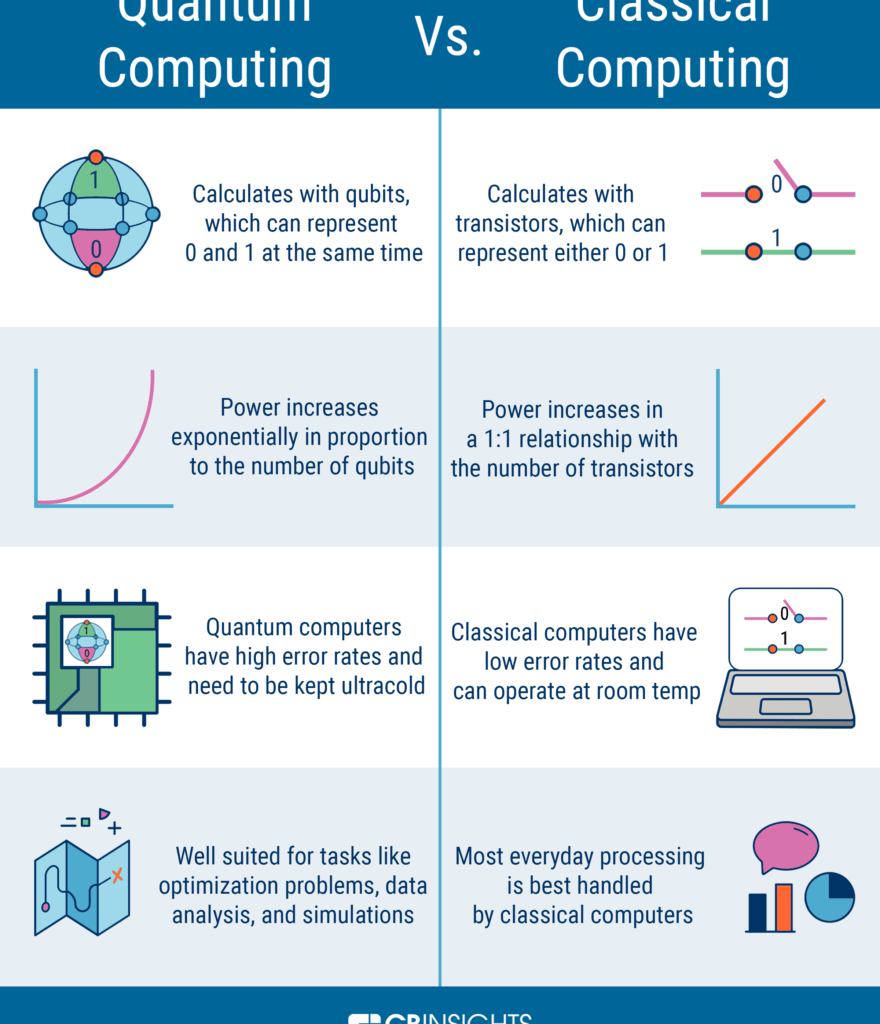
Classical computing forms the bedrock of today’s digital world. It operates using bits, the basic units of information represented in binary form (0s and 1s), executing algorithms with high precision and reliability. Despite lacking the exponential speed advantages of quantum systems, classical computing remains indispensable due to its stability, well-established infrastructure, and low error rates.
- Historical Significance:
Classical computing has evolved over decades, becoming deeply embedded in technological development much like a sturdy oak tree with strong roots. - Technological Advancements:
Innovations such as multi-core processors and parallel computing architectures have continuously enhanced classical computing’s performance and relevance. - Supercomputing:
High-performance classical supercomputers coordinate thousands of processors to tackle complex scientific problems, including climate simulations and astrophysical calculations.
Neuromorphic Computing: Emulating the Brain’s Architecture
Neuromorphic computing represents a radical shift by mimicking the structure and function of the human brain. Instead of relying on binary logic, it uses spiking neural networks that simulate the way neurons communicate, enabling highly parallel and efficient information processing.
- Biological Inspiration:
Neuromorphic systems replicate neural pathways, creating a dynamic network that processes data similarly to biological brains. - Applications:
This paradigm excels in tasks such as pattern recognition, sensory data interpretation, and real-time decision-making. - Energy Efficiency:
Neuromorphic devices consume significantly less power compared to classical computers, offering environmentally friendly solutions. - Artificial Intelligence Integration:
These systems hold promise for adaptive learning and cognitive computing, bridging the gap between machine processing and human-like intelligence.
Optical Computing: Harnessing the Power of Light
Optical computing leverages the properties of light to process and transmit information, offering a compelling alternative to electronic circuits. By manipulating photons instead of electrons, optical systems can achieve remarkable speeds and parallelism.
- Fundamental Components:
Devices such as waveguides and photonic crystals enable the control and routing of light signals for computation. - Parallel Data Processing:
Optical computing can handle multiple data channels simultaneously, enhancing throughput in telecommunications and data-intensive applications. - Thermal Advantages:
Reduced heat generation in optical systems addresses a major limitation of electronic processors, improving efficiency and longevity. - Potential Speed Gains:
The inherent speed of light allows optical computing to surpass classical and even quantum systems in specific computational tasks.
Comparative Overview of Computing Paradigms
Each computational approach offers distinct benefits and challenges, contributing to a multifaceted ecosystem of technologies. Rather than viewing these paradigms as competitors, their integration could lead to hybrid systems that leverage the strengths of each.
- Classical Computing:
Reliable and mature, ideal for standardized and error-sensitive applications. - Neuromorphic Computing:
Efficient and adaptive, suited for cognitive and sensory processing tasks. - Optical Computing:
High-speed and parallel, optimal for data-heavy and communication-centric operations. - Quantum Computing:
Promises exponential speedups for certain complex problems but remains in developmental stages.
Why Exploring Alternatives to Quantum Computing Is Crucial
While quantum computing captivates with its transformative potential, the exploration of other computational models is vital for a balanced and resilient technological future. These alternatives not only address current limitations but also open pathways to novel applications and efficiencies.
- Diversity in Innovation:
Multiple paradigms foster a robust ecosystem where different technologies complement and enhance each other. - Practicality and Readiness:
Classical, neuromorphic, and optical computing are at various stages of maturity, offering immediate and near-term solutions. - Environmental Considerations:
Energy-efficient models like neuromorphic and optical computing contribute to sustainable technological development. - Future Hybrid Systems:
Combining paradigms could yield unprecedented computational capabilities, surpassing the limitations of any single approach.
Conclusion: Embracing a Multifaceted Computational Future
The future of computing lies not in a single dominant technology but in the harmonious coexistence and integration of diverse paradigms. From the steadfast reliability of classical computing to the brain-inspired elegance of neuromorphic systems and the luminous speed of optical computing, each contributes uniquely to advancing human capability. As research and development continue, these complementary approaches will collectively shape the next era of technological innovation, offering solutions that are powerful, efficient, and adaptable to the complex challenges ahead.
FAQ
What are the main alternatives to quantum computing?
The main alternatives are classical computing, neuromorphic computing, and optical computing.
How does neuromorphic computing differ from classical computing?
Neuromorphic computing mimics the human brain's architecture, allowing for more efficient and parallel processing compared to traditional binary logic in classical computing.
Why is it important to explore alternatives to quantum computing?
Exploring alternatives is crucial for addressing current limitations and fostering a diverse ecosystem of technologies that can complement each other.





Leave a Reply