
Short Answer
Definition of 2D Animation in Disney’s Legacy
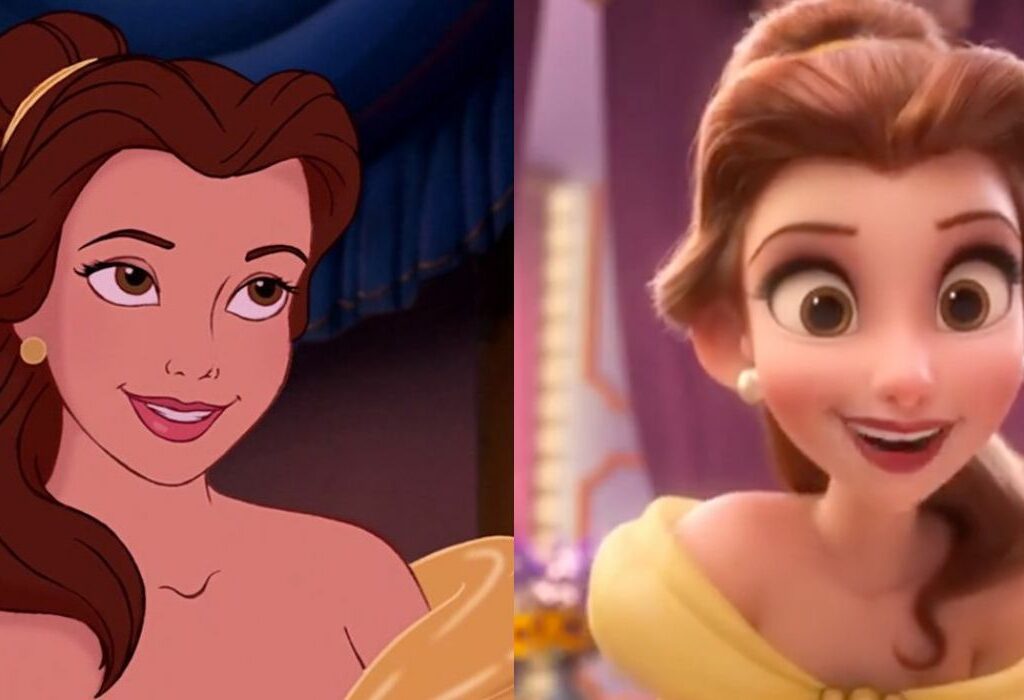
2D animation refers to the traditional technique of creating animated films through hand-drawn or digitally drawn images on a two-dimensional plane. Within Disney’s history, this style has been foundational, shaping the studio’s identity and storytelling approach for much of the 20th century.
- Historical Milestone:
Disney’s journey with 2D animation began with the groundbreaking 1928 short “Steamboat Willie,” which introduced synchronized sound to animation. - Classic Films:
Timeless features such as “Snow White and the Seven Dwarfs,” “Cinderella,” and “The Little Mermaid” exemplify Disney’s mastery of 2D animation, influencing generations of animators and audiences worldwide.
Evolution from 2D to 3D Animation
The animation industry experienced a significant transformation with the advent of computer-generated imagery (CGI), which introduced three-dimensional visuals and new storytelling possibilities. Disney’s transition from 2D to 3D animation marked a pivotal shift in both artistic style and commercial strategy.
- Technological Breakthrough:
The release of Pixar’s “Toy Story” in 1995, the first fully CGI feature film, set a new standard for animated storytelling and visual effects. - Industry Impact:
Following this, Disney embraced CGI, producing hits like “Frozen” and “Zootopia,” which showcased the immersive depth and realism achievable with 3D animation.
Artistic and Emotional Appeal of 2D Animation
Despite the dominance of CGI, 2D animation retains a unique artistic charm and emotional depth that many creators and fans continue to cherish.
- Expressive Flexibility:
Hand-drawn animation allows for nuanced character expressions and stylized visuals that can evoke whimsy and fantasy in ways often distinct from CGI. - Emotional Resonance:
The tactile quality of 2D art often fosters a stronger emotional connection, as the imperfections and fluidity of hand-drawn frames convey subtle storytelling cues.
Technological Advances Supporting 2D Animation
Modern animation tools have evolved to support and enhance 2D animation workflows, potentially reducing production challenges and costs.
- Digital Software:
Programs like Toon Boom Harmony and Adobe Animate streamline the creation of 2D animations, blending traditional artistry with digital efficiency. - Collaborative Platforms:
Cloud-based technologies enable global teams to work simultaneously on projects, overcoming geographical and logistical barriers.
Economic Considerations in Disney’s Animation Choices
Financial factors heavily influence Disney’s production decisions, with CGI projects currently offering higher commercial returns.
- Market Trends:
The consistent box-office success of CGI films encourages Disney to prioritize these projects over traditional 2D features. - Independent Success:
Films like “The Breadwinner” and “Wolfwalkers” demonstrate a growing audience for 2D animation, suggesting niche markets exist outside mainstream Hollywood.
Impact of Streaming Platforms on Animation Production
The rise of streaming services has reshaped how animated content is distributed and consumed, opening new opportunities for diverse animation styles.
- Disney+ as a Platform:
Disney’s own streaming service allows for experimental projects that may not fit traditional theatrical release models. - Risk-Tolerant Environment:
Streaming enables the studio to explore 2D animation with less financial risk, potentially fostering creative freedom and innovation.
Cultural Relevance and Thematic Potential of 2D Animation
2D animation offers a powerful medium for addressing contemporary social issues through evocative storytelling and artistic expression.
- Reflecting Societal Themes:
Topics such as climate change, social justice, and mental health can be explored with emotional depth and visual symbolism unique to 2D art. - Fostering Dialogue:
A new 2D Disney film could engage audiences in meaningful conversations, transcending entertainment to inspire cultural reflection.
Prospects for Future 2D Disney Films
While the current landscape favors CGI, the possibility of new 2D Disney movies remains alive, contingent on a blend of artistic ambition, technological innovation, market demand, and cultural relevance.
- Artistic Experimentation:
Advances in animation technology and shifting audience preferences may encourage Disney to revisit 2D animation. - Market Receptivity:
Growing appreciation for hand-drawn animation in independent cinema and online communities signals potential for revival. - Legacy and Innovation:
A future 2D Disney film could honor the studio’s rich heritage while adapting to contemporary storytelling needs.
Conclusion
The future of 2D animation at Disney is shaped by a complex interplay of historical significance, technological progress, economic realities, and cultural dynamics. Although CGI currently dominates, the enduring appeal and unique qualities of 2D animation suggest that a revival is possible. Should conditions align favorably, Disney may once again embrace the hand-drawn artistry that defined its golden age, offering audiences a fresh yet nostalgic cinematic experience.
FAQ
Will Disney produce more 2D animated films in the future?
While current trends favor CGI, there is potential for Disney to revisit 2D animation depending on market demand and artistic innovation.
What are the advantages of 2D animation over 3D?
2D animation offers a unique artistic charm, emotional depth, and flexibility in storytelling that can be distinct from 3D CGI.



Leave a Reply