
Short Answer
Definition of Future Military Weaponry
Future military weaponry encompasses the next generation of defense technologies that are expected to transform warfare through advancements in automation, energy-based arms, ultra-fast projectiles, and biological sciences. These innovations aim to enhance combat effectiveness, reduce human risk, and redefine strategic military operations over the coming decades.
Automation and Robotics: The Emergence of Autonomous Combat Systems
Automation and robotics are revolutionizing military tactics by introducing autonomous systems capable of operating independently in hostile environments. The U.S. military is advancing beyond current unmanned aerial vehicles (UAVs) and ground robots toward highly intelligent machines equipped with artificial intelligence (AI) that can make instantaneous battlefield decisions without human input.
- Artificial Intelligence Integration:
Future autonomous weapons will utilize machine learning to adapt dynamically to changing combat conditions, improving precision and operational effectiveness. - Swarm Technology:
Coordinated groups of drones working in unison can overwhelm enemy defenses through collective tactics, presenting new challenges for command and control as well as ethical considerations regarding autonomous engagement.
Directed Energy Weapons: Utilizing Concentrated Electromagnetic Power
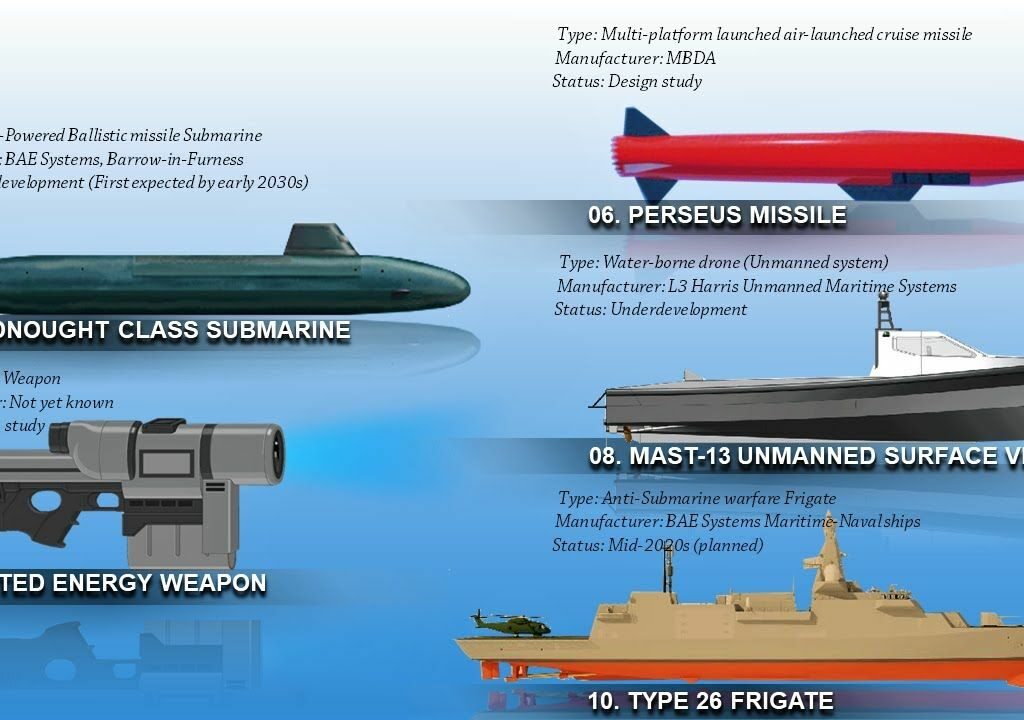
Directed energy weapons (DEWs) employ focused electromagnetic energy, such as lasers and microwaves, to disable or destroy targets with exceptional speed and accuracy. These systems offer the potential for near-instantaneous strikes against threats like drones and missiles, with the added benefit of reduced operational costs compared to traditional munitions.
- Technological Advancements:
Improvements in power generation and energy storage are making DEWs more portable and versatile, enabling deployment across various military platforms including naval vessels. - Operational Challenges:
Overcoming issues related to energy consumption and heat management remains critical for widespread adoption of DEWs in combat scenarios.
Hypersonic Technology: Achieving Unprecedented Speed and Maneuverability
Hypersonic weapons, capable of traveling at speeds greater than Mach 5, represent a significant leap in missile technology. Their ability to maneuver mid-flight complicates interception efforts, providing strategic advantages in rapid strike capabilities against distant targets.
- Hypersonic Glide Vehicles (HGVs):
These weapons can alter their trajectory during flight, making them difficult to detect and counter with existing missile defense systems. - Strategic Implications:
Hypersonic arms could reshape naval warfare and long-range strike doctrines, but challenges such as thermal resistance and guidance accuracy must be addressed.
Biotechnology in Military Applications: Integrating Life Sciences with Defense
Biotechnology is becoming an integral component of future military capabilities, merging biological sciences with combat technology. This includes the development of precision bioweapons, enhanced soldier performance, and advanced health monitoring systems.
- Precision Bioweapons:
Engineered pathogens designed to target specific military personnel or equipment while minimizing civilian impact. - Soldier Enhancements:
Advanced prosthetics, neurological augmentations, and pharmaceuticals aimed at boosting physical and cognitive abilities on the battlefield. - Bioinformatics:
Real-time tracking of soldiers’ physiological data to optimize performance and medical interventions during combat. - Ethical and Security Concerns:
The dual-use nature of biotechnology raises significant moral questions and risks of misuse, necessitating careful regulation and oversight.
How These Technologies Interact and Influence Warfare
The convergence of automation, directed energy, hypersonic speed, and biotechnology is set to redefine military strategy and operational conduct. Autonomous systems will likely coordinate with energy weapons and hypersonic delivery platforms, while biotechnological enhancements will improve soldier resilience and decision-making. This integrated approach demands new ethical frameworks, command structures, and international agreements to manage the risks and responsibilities associated with these powerful technologies.
Real-World Applications and Strategic Importance
These emerging technologies have practical implications across various military domains:
- Autonomous Drones:
Used for reconnaissance, targeted strikes, and swarm attacks to reduce human casualties. - Laser Defense Systems:
Deployed on naval ships to intercept incoming missiles and drones with precision. - Hypersonic Missiles:
Enable rapid response to distant threats, enhancing deterrence and offensive capabilities. - Enhanced Soldiers:
Improved endurance and cognitive function through biotechnological advancements, increasing battlefield effectiveness.
Common Misconceptions About Future Military Technologies
Autonomous weapons will completely replace human soldiers.
While automation reduces human risk, human oversight remains essential for ethical and strategic decision-making.
Directed energy weapons are purely theoretical and impractical.
DEWs are actively being tested and deployed in limited capacities, with ongoing improvements enhancing their battlefield viability.
Hypersonic weapons are invincible and unstoppable.
Despite their speed, hypersonic weapons face technical challenges and countermeasures are under development.
Biotechnology in the military only involves harmful bioweapons.
Biotechnology also focuses on enhancing soldier health and performance, alongside defensive measures against biological threats.
Why Advancements in Military Weaponry Are Crucial
Progress in military technology is vital for maintaining national security, deterring adversaries, and ensuring strategic superiority. Innovations in automation, energy weapons, hypersonics, and biotechnology not only enhance combat effectiveness but also reduce risks to personnel and resources. Balancing technological progress with ethical responsibility and international cooperation is essential to safeguard global stability and prevent escalation of conflicts.
FAQ
What are directed energy weapons?
Directed energy weapons (DEWs) use focused electromagnetic energy, such as lasers and microwaves, to disable or destroy targets quickly and accurately.
What is hypersonic technology?
Hypersonic technology refers to weapons capable of traveling at speeds greater than Mach 5, making them difficult to intercept due to their speed and maneuverability.
How is biotechnology used in military applications?
Biotechnology in military applications includes enhancing soldier performance, developing precision bioweapons, and monitoring soldiers’ health in real-time.
What is the role of automation in future military strategies?
Automation is transforming military strategies by introducing autonomous systems that can operate independently, enhancing operational effectiveness and reducing human risk.






Leave a Reply