
Short Answer
Understanding Powerful Artificial Light Sources
The pursuit of increasingly efficient and intense artificial light sources has captivated scientists and engineers for decades, akin to a modern quest for the “gold” of illumination-photons. As technology advances, the question arises: which man-made light source holds the title of the most powerful? This article explores the defining features, practical uses, and broader implications of the strongest artificial light sources, ultimately identifying the leading candidate.
Defining Power in Artificial Lighting
To evaluate the strength of light sources, it is essential to grasp the parameters that characterize luminosity. Power is commonly measured in lumens (a unit of visible light output) or watts (energy consumption), but other factors such as brightness, efficiency, and spectral quality also play crucial roles. These metrics provide different perspectives on what constitutes a “powerful” light source. While natural phenomena like supernovae emit light far beyond human capability, engineered devices strive to replicate intense illumination for practical applications.
- Lumens:
Quantifies the total visible light emitted by a source. - Watts:
Measures the electrical power consumed, not necessarily the light output. - Brightness:
Perceived intensity of light, influenced by directionality and coherence. - Spectral Quality:
The composition of wavelengths emitted, affecting color rendering and application suitability.
Laser Technology: The Pinnacle of Coherent Light
Lasers, an acronym for Light Amplification by Stimulated Emission of Radiation, represent one of the most powerful artificial light sources available. They produce a highly focused, monochromatic, and coherent beam, resulting in extraordinary intensity. High-powered lasers, such as those used in nuclear fusion research or precision material processing, can emit pulsed energies exceeding one million watts. This capability highlights the remarkable potential of laser technology in both scientific and industrial fields.
How Lasers Operate
Lasers function by stimulating atoms or molecules to emit photons in phase, creating a beam of light that is uniform in wavelength and direction. This coherence allows lasers to concentrate energy into a narrow path, making them invaluable for applications requiring precision and power.
High-Intensity Discharge Lamps: Industrial Luminosity Giants
High-Intensity Discharge (HID) lamps, especially those utilizing metal halide or sodium vapor, are another class of powerful artificial light sources. These lamps generate intense illumination by creating an electric arc through ionized gas within a sealed tube. HID lamps are widely used in industrial, agricultural, and large-scale outdoor lighting due to their ability to flood extensive areas with bright light, often reaching outputs of up to 200,000 lumens.
Applications of HID Lamps
- Street and stadium lighting
- Greenhouse illumination
- Warehouse and factory lighting
Xenon Lamps: Brightness with Daylight Fidelity
Xenon lamps employ xenon gas to produce an intense arc of light that closely mimics natural sunlight. Known for their brilliant bursts of illumination, these lamps are favored in entertainment and cinematography for their ability to render colors vividly and create dynamic lighting effects. Their spectral output closely matches daylight, making them ideal for applications requiring accurate color representation.
Key Features of Xenon Lamps
- High luminous intensity
- Excellent color rendering
- Rapid start-up and stable output
Hybrid LEDs: The Future of Efficient Illumination
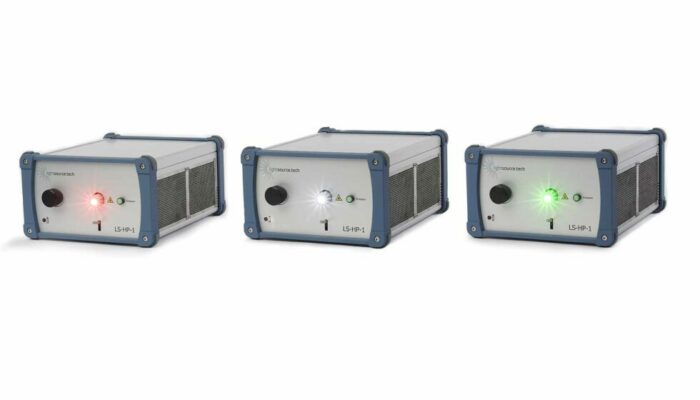
In recent years, Hybrid Light Emitting Diodes (LEDs) have revolutionized artificial lighting by combining high brightness with exceptional energy efficiency and durability. Although individual LEDs may not match the wattage of lasers, arrays of LEDs can produce substantial light output while minimizing power consumption and environmental impact. This technology marks a shift from sheer power toward sustainable and long-lasting illumination solutions.
Advantages of Hybrid LED Technology
- Energy efficiency reducing operational costs
- Extended lifespan compared to traditional bulbs
- Lower heat generation enhancing safety and performance
Applications Across Industries
The deployment of powerful artificial light sources spans numerous sectors. Industrial lasers are instrumental in metal cutting and medical surgeries requiring precision. Xenon lamps provide artificial daylight in greenhouses, boosting plant growth. HID lamps illuminate large outdoor spaces, enhancing safety and productivity. The convergence of optics, electronics, and materials science continues to drive innovations that optimize energy use and improve lighting quality.
Environmental and Health Considerations
While powerful lighting technologies offer significant benefits, they also pose challenges. Excessive artificial light contributes to light pollution, disrupting ecosystems and affecting human health. The ecological impact of intense illumination necessitates collaboration between engineers and environmental scientists to develop lighting solutions that balance performance with sustainability.
Common Misconceptions About Powerful Light Sources
Higher wattage always means brighter light.
Wattage measures energy use, not light output; lumens better indicate brightness.
All powerful lights are harmful to the environment.
Advances in LED technology provide powerful yet eco-friendly lighting options.
Significance of Powerful Artificial Lighting
Powerful artificial light sources play a crucial role in advancing technology, industry, and daily life. They enable precision manufacturing, enhance safety, support medical procedures, and enrich cultural experiences. As lighting technology evolves, it continues to shape how humanity interacts with its environment, underscoring the importance of innovation balanced with ecological responsibility.
FAQ
What defines the power of a light source?
Power is often measured in lumens or watts, but also includes factors like brightness, efficiency, and spectral quality.
Why are lasers considered powerful light sources?
Because they produce a coherent, monochromatic, and highly directional beam with very high intensity.
What applications use the most powerful man-made light sources?
Applications include controlled fusion research, industrial material processing, medical surgery, greenhouse lighting, and entertainment.
What environmental impacts do powerful artificial lights have?
They can cause light pollution, which affects ecosystems and human health, highlighting the need for responsible usage.





Leave a Reply