
Short Answer
Definition of 2D Floor Plans
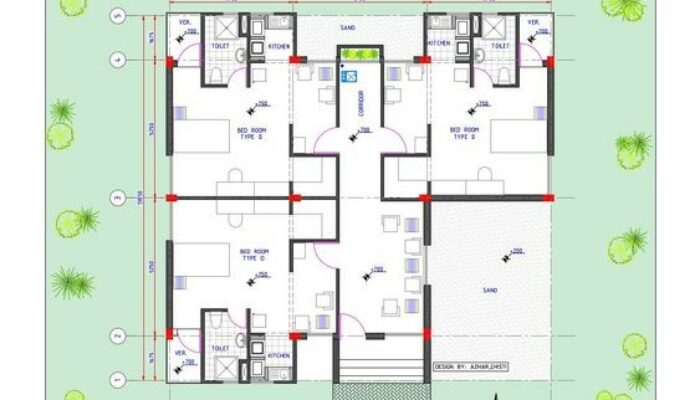
Two-dimensional (2D) floor plans are schematic drawings that depict the layout of spaces within residential or commercial buildings from a top-down perspective. These plans illustrate the arrangement of rooms, walls, doors, windows, and furniture, providing a clear and simplified visual representation of spatial relationships and dimensions.
- Purpose:
To communicate architectural designs clearly and effectively among architects, builders, clients, and other stakeholders. - Components:
Symbols and annotations that represent structural elements and interior features. - Scope:
Used in initial design phases, construction planning, real estate marketing, education, and urban development.
Role in Architectural Communication
2D floor plans act as a fundamental communication medium bridging the gap between technical architectural language and the understanding of non-experts. Architectural jargon can often be complex and inaccessible, but these plans translate abstract design concepts into concrete visual forms. By depicting spatial proportions and relationships through standardized symbols, they enable all parties involved-architects, contractors, and clients-to engage in meaningful dialogue and collaborative decision-making.
Functionality in Design and Planning
During the early stages of architectural design, 2D floor plans serve as the blueprint for organizing space logically and efficiently. They allow designers to arrange rooms, corridors, and communal areas in a way that optimizes flow and usability while maintaining aesthetic balance. This spatial organization ensures that the final design supports the intended lifestyle or business operations, enhancing both comfort and productivity.
Problem-Solving and Iterative Refinement
Architectural design is an iterative process that must accommodate various constraints such as budget limits, zoning laws, and site-specific conditions. Detailed 2D floor plans provide essential measurements and notes that help identify potential challenges early on. This foresight enables timely adjustments, reducing the likelihood of expensive changes during or after construction and streamlining the overall development timeline.
Psychological Impact of Spatial Layouts
The configuration of spaces depicted in 2D floor plans significantly influences human behavior, emotions, and social interactions. Cognitive psychology highlights that spatial perception shapes how individuals experience their environment. For example, open and accessible layouts can foster a sense of community and encourage social engagement, whereas complex or cramped designs may lead to feelings of isolation or discomfort. Thus, floor plans not only define physical spaces but also contribute to occupants’ psychological well-being.
Educational Importance in Design Disciplines
2D floor plans are vital teaching tools in architecture and interior design education. They provide students and emerging professionals with foundational knowledge of spatial arrangement principles. By studying existing plans, learners gain insight into how various design elements integrate to achieve both functional efficiency and visual harmony. This educational role ensures that future designers appreciate the impact of their spatial decisions on human experience.
Application in Real Estate Marketing
In the competitive real estate market, 2D floor plans enhance property presentations by offering prospective buyers a clear understanding of a home’s layout beyond photographs. These plans help visualize how spaces can accommodate different lifestyles and needs, making the concept of a potential home more tangible. Realtors use floor plans to differentiate listings and engage clients more effectively, combining visual appeal with practical information.
Technological Advancements Enhancing 2D Floor Plans
The integration of computer-aided design (CAD) and specialized software has revolutionized the creation and modification of 2D floor plans. Architects can now manipulate dimensions, simulate natural light and airflow, and explore spatial relationships with greater precision. These digital tools transform traditional flat drawings into dynamic resources that anticipate user experience and inform design decisions more comprehensively.
Urban Planning and Development Uses
Beyond individual buildings, 2D floor plans are instrumental for urban planners and developers assessing new projects within existing environments. These diagrams help evaluate how proposed structures will interact with surrounding infrastructure and communities, promoting sustainable and harmonious growth. By visualizing spatial integration at a macro level, planners can make informed decisions that balance development goals with community needs.
Why 2D Floor Plans Are Essential
The importance of 2D floor plans lies in their multifaceted role as tools of artistry, functionality, and human-centered design. They facilitate collaboration among professionals, support educational growth, enhance marketing strategies, and guide urban development. Ultimately, these plans deepen our understanding of space, fostering engagement and connection between people and their built environments.
FAQ
What are 2D floor plans?
2D floor plans are top-down schematic drawings that represent the layout of rooms and spaces within buildings.
Why are 2D floor plans important?
They facilitate communication, aid in design, and enhance marketing in real estate.
How do 2D floor plans influence design?
They help organize spaces efficiently, ensuring comfort and usability.






Leave a Reply