
Short Answer
Definition of Nuclear Energy in Power Plants
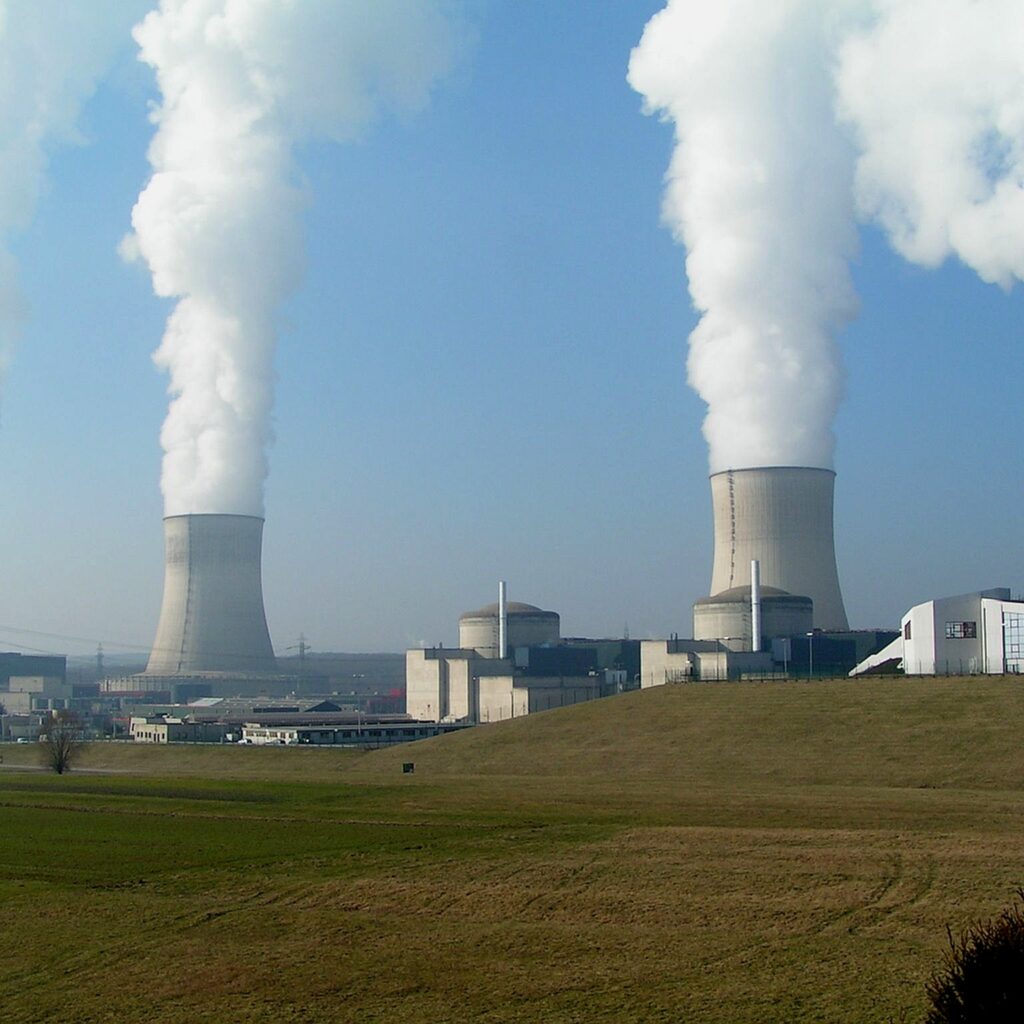
Nuclear energy, as utilized in power plants, originates from the atomic nucleus, where immense energy is stored. This energy is released through nuclear fission, a process that involves splitting heavy atomic nuclei to generate heat. Nuclear power plants convert this heat into electrical energy, making them a crucial component of the contemporary energy infrastructure.
Atomic Structure and the Source of Nuclear Energy
At the heart of nuclear energy lies the atomic nucleus, composed of protons and neutrons bound by the strong nuclear force-one of nature’s four fundamental forces. The energy contained within this nucleus far exceeds that found in chemical bonds, which is why nuclear reactions release significantly more power than conventional chemical reactions.
- Atomic Nucleus:
The dense core of an atom, containing protons and neutrons. - Strong Nuclear Force:
The force that holds the nucleus together, overcoming the repulsion between positively charged protons. - Energy Density:
Nuclear energy density is vastly higher than chemical energy, enabling large energy yields from small amounts of fuel.
Mechanism of Nuclear Fission
Nuclear fission occurs when a heavy nucleus, such as uranium-235 or plutonium-239, captures a neutron and becomes unstable. This instability causes the nucleus to split into smaller fragments, releasing a substantial amount of energy, additional neutrons, and fission products. The emitted neutrons can trigger further fission events, creating a self-sustaining chain reaction essential for continuous energy production in reactors.
This process is governed by Einstein’s mass-energy equivalence principle, expressed by the equation E=mc², where a tiny fraction of mass is converted into a tremendous amount of energy.
Conversion of Nuclear Energy to Electricity
The energy released during fission manifests primarily as heat. This thermal energy heats water within the reactor core, producing steam. The steam then drives turbines connected to generators, producing electricity. Although the method of electricity generation resembles that of fossil fuel plants, nuclear power plants differ significantly in fuel type and environmental impact.
Energy Efficiency and Fuel Utilization
Nuclear power is renowned for its exceptional energy efficiency. A mere kilogram of uranium-235 can yield energy equivalent to several tons of coal, highlighting the remarkable energy density of nuclear fuel. This efficiency makes nuclear power a compelling option for meeting escalating global energy demands while conserving natural resources.
Public Perception and Safety Concerns
Despite its advantages, nuclear energy faces public apprehension due to historical nuclear accidents and the complexities of managing radioactive waste. Incidents such as Chernobyl and Fukushima have heightened fears about radiation exposure and catastrophic failures. These concerns underscore the ethical and safety challenges inherent in nuclear technology, prompting ongoing debates about regulatory frameworks, risk management, and technological innovation.
Applications Beyond Electricity Generation
Nuclear technology extends its benefits beyond power production. In medicine, isotopes generated in nuclear reactors are vital for diagnostic imaging and cancer treatments, demonstrating nuclear energy’s significant role in advancing healthcare.
Nuclear Power and Climate Change Mitigation
As the world intensifies efforts to reduce greenhouse gas emissions, nuclear power emerges as a low-carbon energy source. Unlike fossil fuels, nuclear reactors emit negligible amounts of carbon dioxide during operation, positioning nuclear energy as a key player in the transition to sustainable energy systems.
Summary: The Significance of Nuclear Energy in Power Generation
The fundamental energy source in nuclear power plants is the process of nuclear fission, which transforms nuclear binding energy into usable thermal energy. This process exemplifies human ingenuity in harnessing atomic forces for large-scale energy production. While nuclear energy presents challenges related to safety and waste management, its high efficiency, low emissions, and diverse applications make it a vital component of the future energy landscape. The ongoing discourse surrounding nuclear power reflects broader societal efforts to balance technological progress with environmental stewardship and ethical responsibility.
FAQ
What is the original energy form in a nuclear power plant?
The original energy form in a nuclear power plant is nuclear energy stored in the atomic nucleus, released through nuclear fission.
How is nuclear energy converted into electricity in power plants?
Nuclear energy released during fission heats water to produce steam, which drives turbines connected to generators, producing electricity.
Why is nuclear power considered efficient?
Because nuclear fuel has a very high energy density, a small amount of uranium can produce energy equivalent to several tons of coal.
What are the main safety concerns associated with nuclear power plants?
Safety concerns include risks from nuclear accidents, radiation exposure, and challenges in managing radioactive waste.
How does nuclear power contribute to climate change mitigation?
Nuclear power plants emit negligible carbon dioxide during operation, making them a low-carbon energy source helpful in reducing greenhouse gas emissions.






Leave a Reply