
Short Answer
Definition and Overview of the Hubble Space Telescope
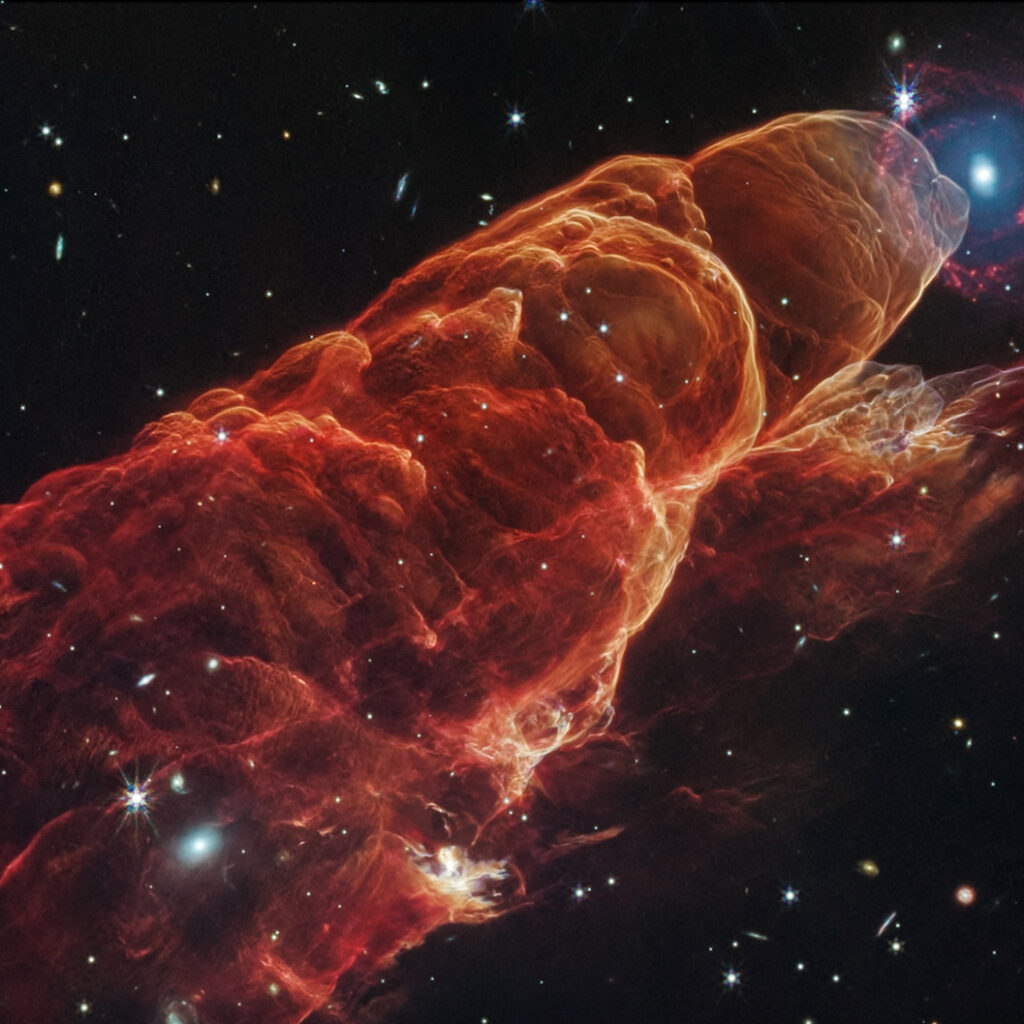
Launched in 1990, the Hubble Space Telescope (HST) has dramatically transformed our understanding of the universe by delivering unprecedented images of distant galaxies, nebulae, and other astronomical phenomena. It has provided critical insights into the structure and evolution of the cosmos, reshaping our knowledge of space and time. The question of how long Hubble will continue to operate involves not only its physical durability but also factors such as orbital mechanics, technological advancements, and the future of space exploration.
Design and Engineering Resilience
Hubble was engineered with durability and redundancy at its core. Many of its vital systems include backup components to maintain functionality in case of failures. For example, its gyroscopes, which are crucial for precise orientation, were designed to be replaceable. This feature enabled NASA astronauts to conduct multiple servicing missions between 1993 and 2009, during which they upgraded instruments, repaired defects, and enhanced the telescope’s capabilities. These maintenance efforts significantly extended Hubble’s operational lifespan beyond initial projections. However, with the retirement of the Space Shuttle program and the transition toward robotic servicing, the possibility of future manned repairs has become uncertain.
Operational Challenges and Aging Systems
Despite its robust construction, Hubble faces inevitable wear and tear. The spacecraft currently relies on a limited number of functioning reaction wheels, which are essential for maintaining its precise orientation in space. Past failures have forced NASA to use a combination of fewer reaction wheels and thruster firings, a method that is not sustainable over the long term. Additionally, Hubble’s onboard electronics and instruments are susceptible to degradation caused by continuous exposure to space radiation, which can lead to system malfunctions. Although engineers have implemented creative solutions to mitigate these issues, the window for effective repairs and workarounds is gradually closing.
Orbital Dynamics and Longevity
Hubble orbits Earth at an altitude of approximately 340 miles within the low Earth orbit (LEO) region, an area characterized by a dense population of satellites and debris. Although atmospheric drag at this altitude is minimal, it slowly reduces Hubble’s orbital altitude over time, causing a gradual descent. Previously, shuttle missions provided periodic boosts to maintain its orbit, but without these, Hubble’s altitude will continue to decline. Experts predict that within the next 10 to 20 years, this descent will accelerate, increasing the risk of an uncontrolled re-entry. Managing Hubble’s decommissioning carefully is essential to prevent debris hazards and protect populated areas on Earth.
Scientific Legacy and Successor Missions
Hubble’s eventual retirement does not signify the end of its scientific contributions but rather a transition to a new era of space observation. The James Webb Space Telescope (JWST), launched as Hubble’s successor, operates at the Sun-Earth L2 Lagrange point nearly a million miles from Earth. JWST specializes in infrared observations, complementing Hubble’s strengths in optical and ultraviolet wavelengths. This synergy allows astronomers to obtain a more comprehensive understanding of cosmic phenomena. Moreover, Hubble’s unique ability to observe certain wavelengths inaccessible to JWST ensures its continued scientific relevance as long as it remains operational. Together, these observatories expand humanity’s cosmic perspective.
Philosophical and Cultural Significance
Beyond its technical achievements, Hubble embodies a profound human narrative of perseverance, innovation, and curiosity. Although all technology eventually becomes outdated, Hubble’s impact transcends its physical existence. It stands as a monumental accomplishment in international collaboration and scientific exploration. The breathtaking images and data it continues to provide not only deepen our scientific knowledge but also inspire awe and humility. Each snapshot of star-forming regions or colliding galaxies enriches our understanding of the universe and our place within it, ensuring that Hubble’s legacy endures far beyond its operational lifespan.
Future Prospects: Robotic Servicing and Mission Extension
Emerging concepts aim to extend Hubble’s operational life through robotic servicing missions. These proposals involve autonomous spacecraft capable of docking with Hubble to perform repairs, refueling, or instrument upgrades. Advances in on-orbit servicing technology are critical to these plans, which face challenges related to budget, logistics, and technical complexity. If realized, such missions could prolong Hubble’s functionality by a decade or more, preserving its role as a vital tool for astronomical research and observation.
Conclusion: The Enduring Impact of Hubble
The question of Hubble’s longevity is not simply about when it will cease functioning but reflects a broader story of technological endurance, scientific progress, and human ambition. The telescope exemplifies how the lifespan of a scientific instrument depends on both its physical robustness and the ecosystem of support and innovation surrounding it. As Hubble approaches the final stages of its mission, it continues to illuminate the cosmos and pave the way for future observatories. Its legacy is a lasting invitation to explore, question, and marvel at the universe, inspiring generations to come.
FAQ
How long is the Hubble Space Telescope expected to last?
Experts predict that Hubble may continue to operate for another 10 to 20 years, although its re-entry into the Earth’s atmosphere is a concern.
What are the challenges Hubble faces as it ages?
Hubble faces challenges like wear on its reaction wheels, degradation of electronics due to radiation, and the absence of manned servicing missions.
What is the role of the James Webb Space Telescope in relation to Hubble?
The James Webb Space Telescope complements Hubble by specializing in infrared observations, providing a broader understanding of cosmic phenomena.

Leave a Reply