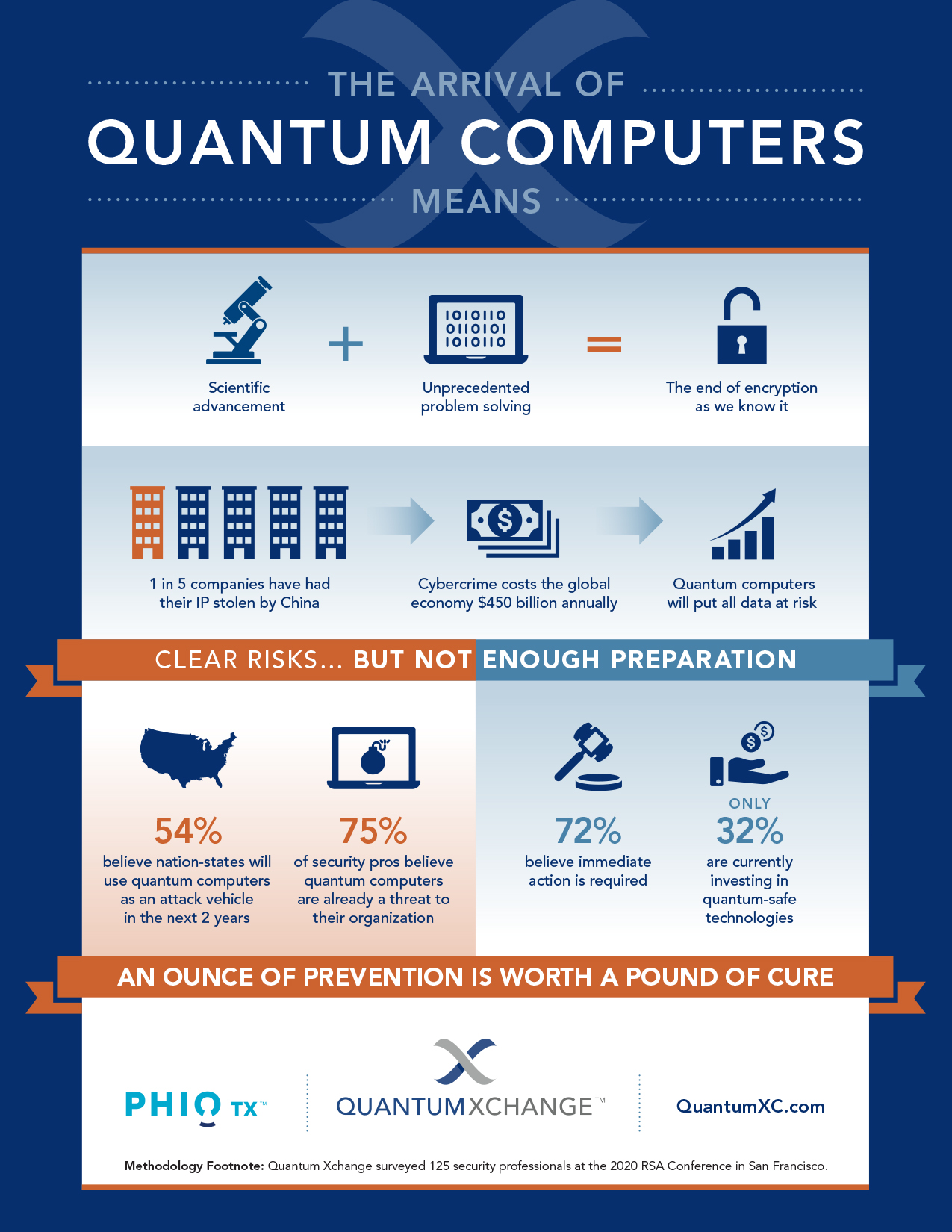
Will quantum computing break SHA-256 encryption?

Understanding SHA-256 Encryption SHA-256, short for Secure Hash Algorithm 256-bit, is a fundamental cryptographic hash function widely employed to ensure data integrity and security. Originating from the National Security Agency (NSA) and standardized under the Federal Information Processing Standards (FIPS), SHA-256 transforms input data of any size into a fixed 256-bit output, known as a […]

Read More →

Can computer engineers work on quantum computers?

Understanding Quantum Computing Quantum computing marks a revolutionary shift in the field of computer engineering, diverging fundamentally from classical computing. While traditional computers operate using bits that represent either a 0 or a 1, quantum computers utilize quantum bits, or qubits, which exploit the principles of quantum mechanics. This allows qubits to exist in multiple […]

Read More →

Is a quantum computer in a Bose-Einstein state (BEC)?

Definition of Bose-Einstein Condensate and Quantum Computing Quantum computing signifies a revolutionary shift in computational methods, merging principles from quantum mechanics with computer science. Central to this field is the concept of quantum states, which underpin the operation of quantum computers. A Bose-Einstein Condensate (BEC) is a distinct state of matter formed when bosonic particles […]

Read More →

Exploring quantum computing use cases for logistics?

Definition of Quantum Computing in Logistics Quantum computing represents a groundbreaking computational approach that leverages the principles of quantum mechanics to process information in ways unattainable by classical computers. In the logistics industry, which is characterized by intricate networks, massive data volumes, and a constant need for operational efficiency, quantum computing offers transformative potential. By […]


Read More →

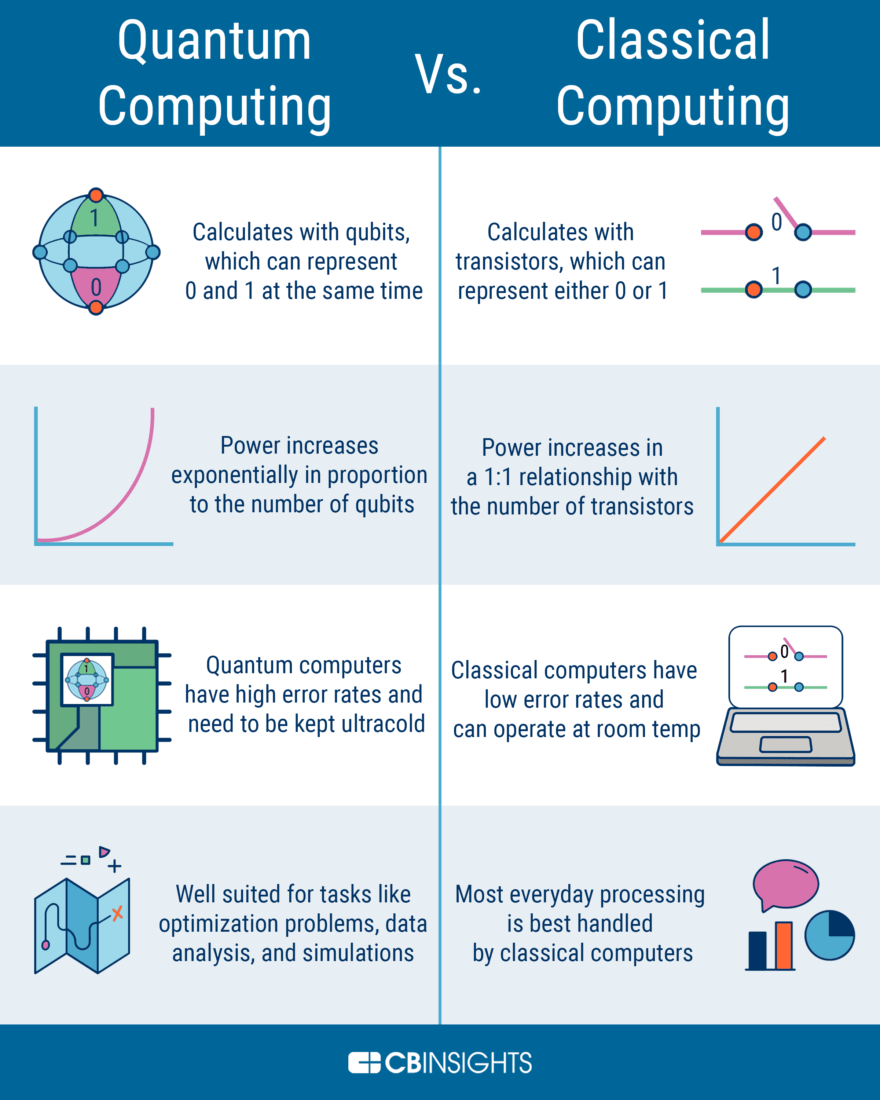
How do quantum computers differ from classical computers?

Understanding Quantum and Classical Computing In the evolving landscape of computer science, the contrast between quantum and classical computing represents not only a technological leap but also a fundamental shift in how computation is conceptualized. This distinction encompasses both the operational mechanisms and the broader philosophical implications of their respective architectures. To appreciate these differences, […]

Read More →

Why can’t computers simulate quantum computers?

Understanding Quantum Computing Quantum computing signifies a revolutionary advancement in computational power that transcends the boundaries of traditional classical computers. This emerging technology harnesses the principles of quantum mechanics to process information in fundamentally new ways, offering capabilities far beyond those of classical systems. A central question in this domain is why classical computers find […]

Read More →

Can you explain Qubit vs. Binary?

Understanding the Basics: Classical Bits vs. Qubits In the realm of computing, the fundamental unit of information in classical systems is the bit, which exists in one of two distinct states: 0 or 1. These binary states correspond to electrical signals-off or on-that form the foundation of all traditional digital devices, from simple calculators to […]

Read More →

Will quantum computing have a good labor market in 10 years?

Understanding the Quantum Computing Labor Market As we stand on the threshold of the quantum computing revolution, a critical inquiry emerges among economists, technologists, and career aspirants alike: what will the job market for quantum computing look like in the next decade? This question encapsulates both the promise of groundbreaking technological progress and the uncertainties […]

Read More →

How quantum computing works and why it’s important?

Definition of Quantum Computing Quantum computing is an innovative computational paradigm that harnesses the principles of quantum mechanics to process information in ways fundamentally distinct from classical computing. Unlike traditional computers that use bits as the smallest unit of data, quantum computers utilize quantum bits, or qubits, which exploit unique quantum phenomena such as superposition […]

Read More →

How different is quantum computing from super computing?

Understanding Quantum Computing and Supercomputing Over recent decades, the realm of computing has experienced extraordinary advancements, with two dominant paradigms emerging: quantum computing and supercomputing. Each represents a distinct approach to solving complex computational problems, grounded in fundamentally different principles. This article explores the contrasts between these two technologies and addresses the intriguing question: Can […]

Read More →