Can a quantum computer’s speed be measured in Hz?

Understanding Quantum Computing Speed In the rapidly advancing domain of quantum computing, a common question arises: “Is it possible to quantify a quantum computer’s speed using Hertz (Hz)?” This query reflects a broader curiosity about how to measure the performance of quantum systems, blending classical physics concepts with the principles of quantum mechanics. To address […]

Read More →

Do Quantum Computers Need Electricity? Let’s Power Up That Answer

Definition of Quantum Computing and Its Energy Requirements Quantum computing represents a revolutionary paradigm in computational technology, distinguished by its use of quantum bits or qubits instead of classical bits. Unlike traditional computers that operate on binary states of 0 and 1, quantum computers exploit the principles of quantum mechanics, enabling qubits to exist simultaneously […]

Read More →

Is quantum computer hypercomputer?

Understanding Hypercomputation Hypercomputation refers to a theoretical model of computation that transcends the capabilities of classical Turing machines. Unlike Turing machines, which define the limits of algorithmic computability, hypercomputers are conceptual devices that can solve problems deemed unsolvable by traditional computational means. These models often rely on abstract or non-physical principles, such as infinite computational […]

Read More →

What are quantum computing AI applications?

Understanding Quantum Computing and Artificial Intelligence Quantum computing and artificial intelligence (AI) represent two of the most transformative technological advancements of our time. Quantum computing leverages the principles of quantum mechanics, utilizing quantum bits or qubits, which can exist in multiple states simultaneously, enabling computations at speeds far beyond classical computers. AI, on the other […]

Read More →

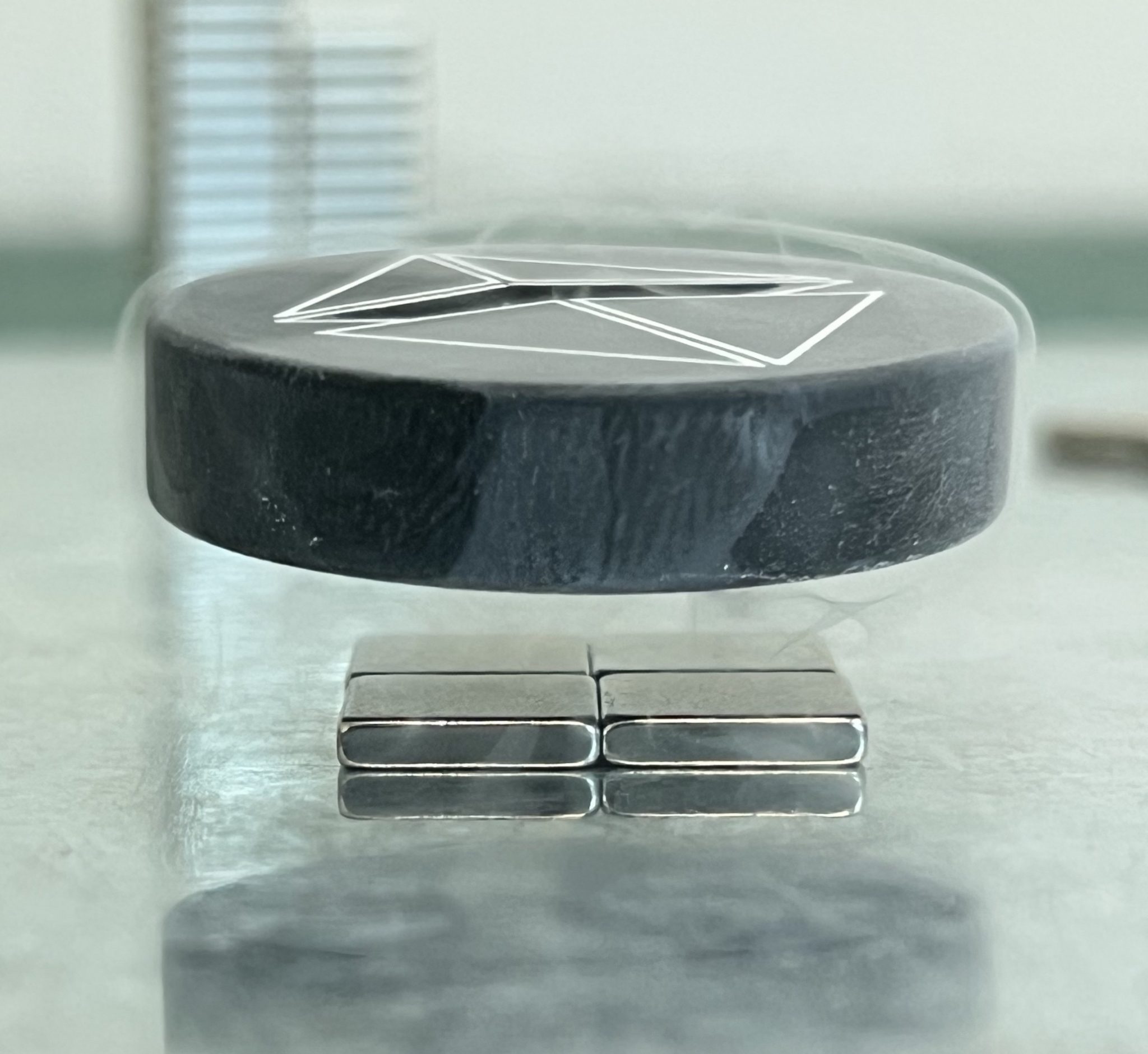
Quantum Locking: The Levitation Trick That’s More Than Magic

Definition of Quantum Locking Quantum locking is a striking physical phenomenon that occurs at the crossroads of quantum mechanics and classical physics, where an object appears to defy gravity by maintaining a fixed position and levitating within a magnetic field. This effect is not only visually captivating but also holds significant scientific and technological importance, […]

Read More →

How does a quantum computer performs its calculations?

Understanding Quantum Computing Quantum computing signifies a groundbreaking transformation in computational theory and practice. It challenges traditional computing paradigms by utilizing the principles of quantum mechanics to perform calculations in fundamentally new ways. To comprehend how quantum computers operate, one must delve into the core quantum phenomena and the innovative system designs that harness these […]

Read More →

Anton Karazeev’s Quantum Universe: A Peek into Next-Gen Algorithms

Understanding Quantum Computing and Its Significance Quantum computing represents a revolutionary approach to processing information, fundamentally distinct from classical computing. It exploits the unique properties of quantum bits, or qubits, which can exist in multiple states simultaneously due to quantum phenomena such as superposition and entanglement. This capability allows quantum computers to explore vast solution […]

Read More →

Is quantum mechanics important to materials science?

Definition of Quantum Mechanics in Materials Science Quantum mechanics is the fundamental theoretical framework that explains the behavior of matter at atomic and subatomic scales. It is essential for comprehending how materials function at these minute levels, providing insights that are crucial across various scientific fields, especially materials science. This discipline focuses on the interplay […]

Read More →

What is quantum information in quantum computing?

Definition of Quantum Information Quantum information is a rapidly developing interdisciplinary field that merges the principles of quantum mechanics with information theory. It investigates the distinctive informational properties that arise from the unique behaviors of quantum states. This domain forms the foundational framework for quantum computing, playing a pivotal role in the advancement of new […]

Read More →

Which computer will be preferred quantum or optical?

Definition of Quantum and Optical Computing Quantum and optical computing represent two groundbreaking approaches to processing information, each rooted in distinct physical principles. Quantum computing harnesses the laws of quantum mechanics, particularly leveraging phenomena such as superposition and entanglement, to perform calculations. This allows quantum bits, or qubits, to exist in multiple states simultaneously, enabling […]

Read More →