What is a qubit

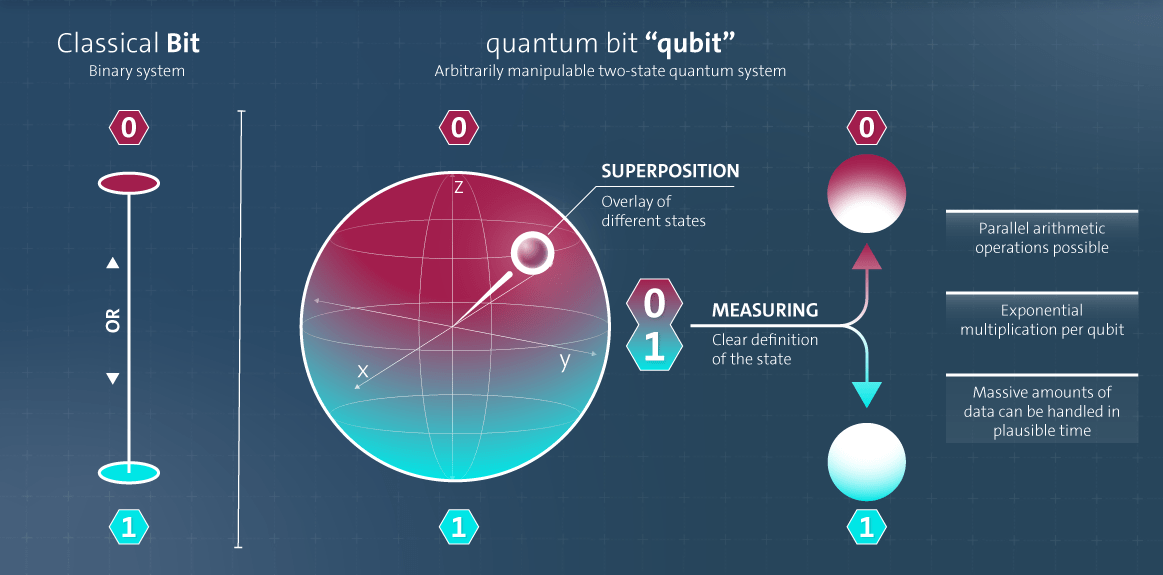
Definition of a Qubit A qubit, or quantum bit, serves as the fundamental unit of information in quantum computing. Unlike classical bits that are restricted to binary states of either 0 or 1, qubits can exist in a superposition of both states simultaneously. This property allows quantum computers to process complex computations far more efficiently […]

Read More →

What are the applications of high performance computing?

Definition of High-Performance Computing (HPC) High-Performance Computing (HPC) refers to the use of supercomputers and parallel processing techniques to solve complex computational problems at exceptional speeds. By harnessing vast computational power, HPC enables the analysis and simulation of large-scale data and intricate models that are beyond the reach of conventional computing systems. Supercomputing: Utilizes highly […]

Read More →

Which is better for quantum computing: Harvard or Stanford?

Overview of Harvard and Stanford in Quantum Computing Within the rapidly evolving domain of quantum computing, Harvard University and Stanford University stand out as leading academic institutions. Each university embodies a unique philosophy and set of strengths that shape their contributions to quantum technology. This article explores the distinctive qualities of these two powerhouses, offering […]

Read More →

Can quantum computers solve Schrodinger’s equation?

Understanding Schrödinger’s Equation Schrödinger’s equation, introduced by physicist Erwin Schrödinger in 1925, is a fundamental formula in quantum mechanics that describes how the quantum state of a physical system changes over time. This equation is essential for predicting the behavior of particles at the quantum level, encapsulated in a mathematical entity called the wave function. […]

Read More →

Where is quantum computing headed?

Definition of Quantum Computing Quantum computing represents a groundbreaking computational approach based on the principles of quantum mechanics. Unlike classical computing, which relies on bits as the smallest unit of information, quantum computing utilizes quantum bits or qubits. These qubits exploit phenomena such as superposition and entanglement, enabling quantum computers to process information in fundamentally […]

Read More →

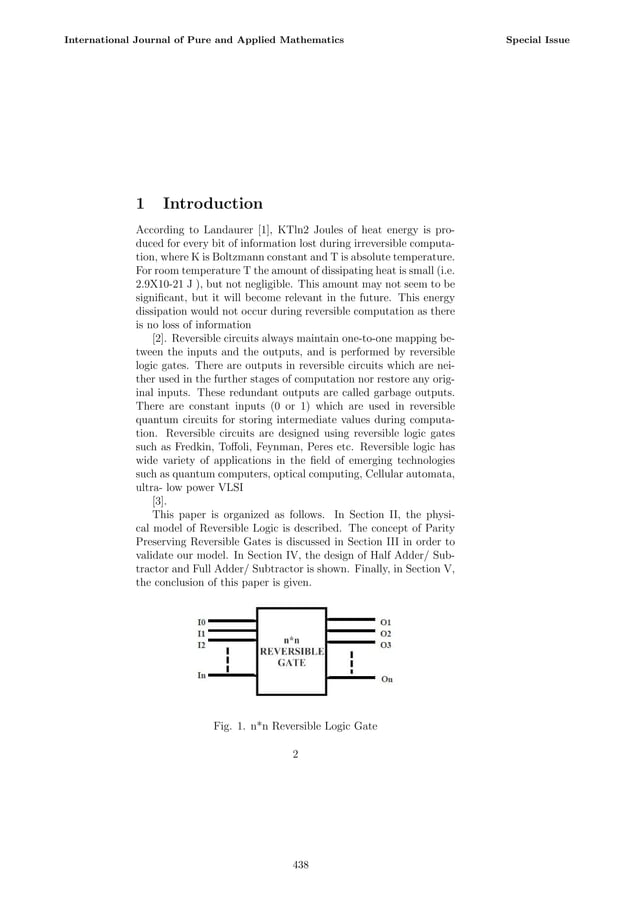
The Quantum Adder: Doing Math with Reversible Logic

Understanding Quantum Adders A quantum adder is an innovative computational device that integrates principles from quantum mechanics with reversible logic to perform arithmetic operations. Unlike traditional digital adders that discard information during processing, quantum adders utilize quantum phenomena such as superposition and entanglement to achieve highly efficient and reversible computation. This fusion opens new avenues […]

Read More →

What are some hot topics for quantum computers?

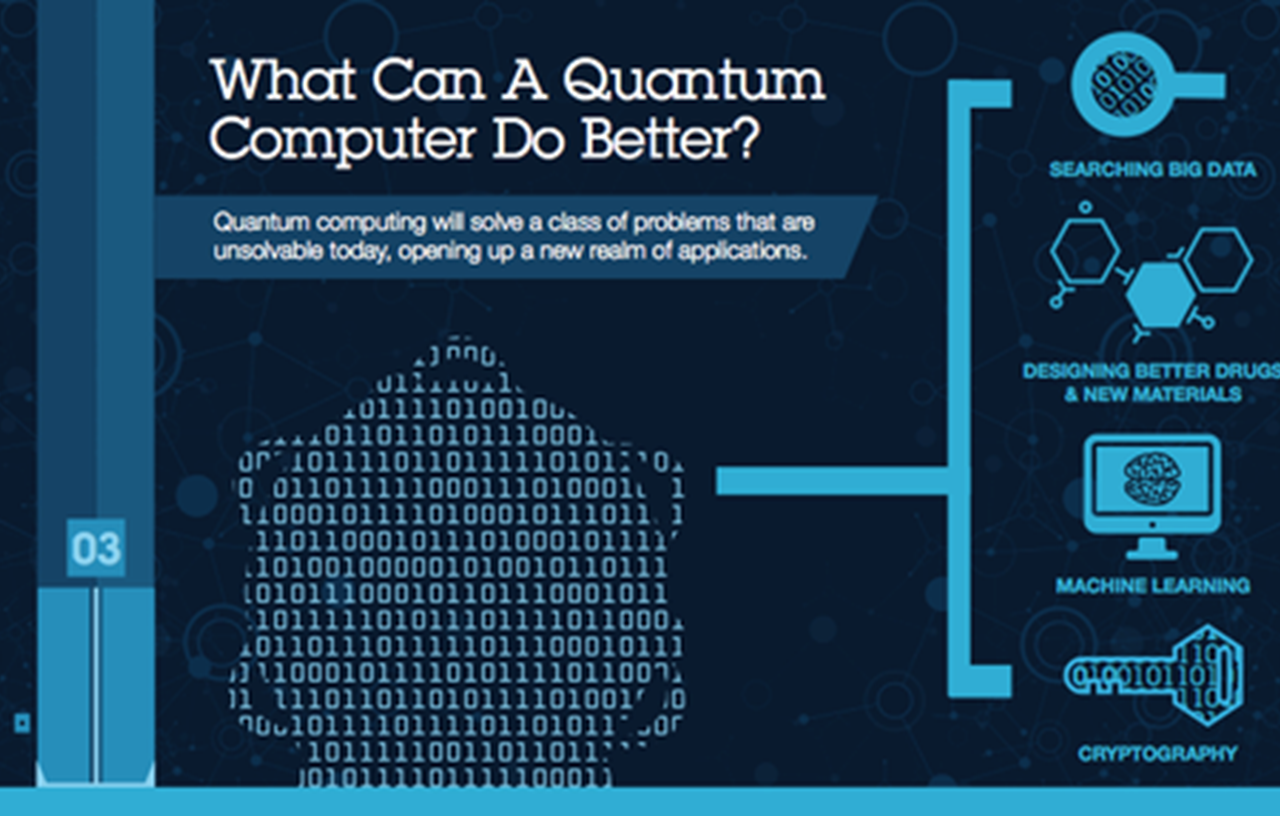
Understanding Quantum Computing Quantum computing represents a groundbreaking fusion of physics, computer science, and cryptography, poised to transform numerous industries. Its allure stems from the capability to solve problems that are currently beyond the reach of classical computers. To fully grasp this evolving discipline, it is important to delve into several key themes that define […]

Read More →

Is quantum machine learning ready for mainstream?

Understanding Quantum Machine Learning Quantum machine learning (QML) represents the fusion of quantum computing principles with machine learning techniques, signaling a transformative shift in computational approaches. This emerging discipline has attracted considerable interest from researchers, industry experts, and technology innovators, all eager to explore its potential. Central to this exploration is the question of whether […]

Read More →

Can Python be used for high performance computing?

Understanding High-Performance Computing (HPC) High-performance computing (HPC) refers to the utilization of supercomputers and parallel processing techniques to execute complex computational problems at exceptional speeds. Traditionally, HPC has relied on programming languages such as C, C++, and Fortran, which offer close-to-hardware control and efficient memory management. These languages have been the backbone of scientific simulations, […]

Read More →

Is there any course to learn about quantum computers?

Definition of Quantum Computing Quantum computing represents a cutting-edge intersection of physics and technology, leveraging the principles of quantum mechanics to perform computations far beyond the capabilities of classical computers. This emerging discipline aims to harness quantum phenomena such as superposition and entanglement to solve complex problems in fields ranging from cryptography to optimization. Quantum […]

Read More →