What prevents us from using graphene commercially?

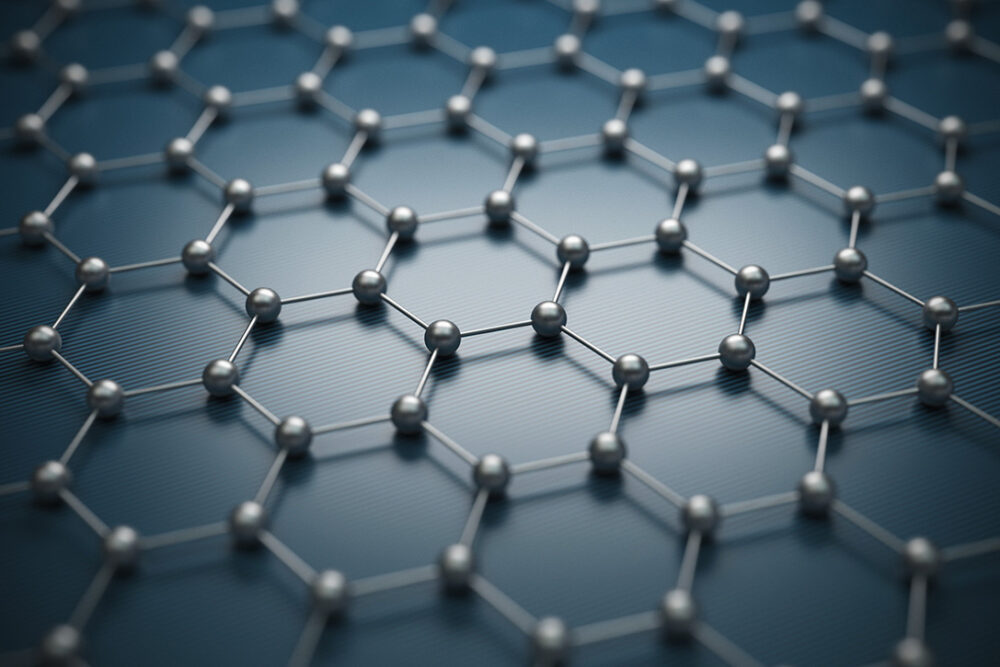
Understanding Graphene Graphene is a single layer of carbon atoms arranged in a two-dimensional honeycomb lattice, renowned for its exceptional mechanical strength, electrical conductivity, and thermal properties. These remarkable characteristics position graphene as a transformative material with the potential to revolutionize numerous industrial sectors, including electronics, energy, and manufacturing. Production Challenges and Scalability The commercial […]


Read More →

Can anyone make graphene in a tube?

Definition of Graphene Graphene is a remarkable material composed of a single atomic layer of carbon atoms arranged in a two-dimensional honeycomb lattice. This ultra-thin sheet exhibits extraordinary physical and chemical properties, making it a subject of intense scientific interest and technological innovation. Atomic Structure: A monolayer of carbon atoms tightly bonded in a hexagonal […]

Read More →

Does boron donate or accept electrons?

Definition and Position of Boron in the Periodic Table Boron is a chemical element with the atomic number 5, positioned in group 13 of the periodic table. It is classified as a metalloid, exhibiting properties that are intermediate between metals and nonmetals. This unique placement influences its chemical behavior, particularly in terms of electron interactions. […]

Read More →

How can graphene be used to create objects for the future?

Definition of Graphene Graphene is a single layer of carbon atoms tightly packed into a two-dimensional honeycomb lattice. This atom-thin material has garnered significant attention in the 21st century due to its extraordinary physical and chemical properties. Its exceptional electrical conductivity, superior mechanical strength, and excellent thermal conductivity make graphene a revolutionary substance with vast […]

Read More →

Would graphene still be strong if it is stacked?

Definition of Graphene and Its Unique Properties Graphene is a single atomic layer of carbon atoms arranged in a two-dimensional honeycomb lattice. It is renowned for its extraordinary mechanical strength, flexibility, and electrical conductivity. The exceptional strength of graphene-estimated to be around 200 times greater than that of steel-stems from the robust covalent bonds between […]

Read More →

How can topological insulators be used in spintronics?

Definition of Topological Insulators Topological insulators are a class of materials distinguished by their unique electronic properties: they behave as insulators in their interior (bulk) while supporting conductive states on their surfaces or edges. These surface states are protected by a fundamental symmetry known as time-reversal symmetry, which ensures their robustness against certain types of […]

Read More →

What kind of profile is required to get into top PhD programs?

Definition of a Strong PhD Application Profile A successful application to a prestigious PhD program can be likened to navigating a vast and complex ocean, where the applicant acts as a skilled navigator steering through unknown territories. The profile of a competitive PhD candidate is composed of multiple interrelated elements that collectively demonstrate academic excellence, […]

Read More →

DNA Illuminated: Chip-Based Traps Reveal Genetic Secrets

Definition of Chip-Based DNA Traps Chip-based DNA traps are advanced microfabricated devices designed to isolate and manipulate individual DNA molecules. These nanoscale platforms enable researchers to capture strands of DNA with high precision, facilitating detailed genetic analysis. By providing a controlled environment for DNA molecules, chip-based traps serve as essential tools in modern molecular biology, […]

Read More →

Why is graphene unstable?

Definition of Graphene and Its Stability Graphene is a single layer of carbon atoms arranged in a two-dimensional hexagonal lattice, just one atom thick. This unique structure endows graphene with extraordinary electrical, thermal, and mechanical properties, making it a material of great interest across various scientific and technological domains. Despite its impressive attributes, graphene is […]

Read More →

How can graphene be made into a rope or cloth?

Definition of Graphene and Its Potential in Textiles Graphene is a single layer of carbon atoms arranged in a two-dimensional honeycomb lattice. Renowned for its extraordinary electrical conductivity, thermal stability, and mechanical strength, graphene has attracted significant attention in various scientific fields. Its exceptional tensile strength-approximately 200 times greater than that of steel-combined with its […]

Read More →