Why is graphene unstable?

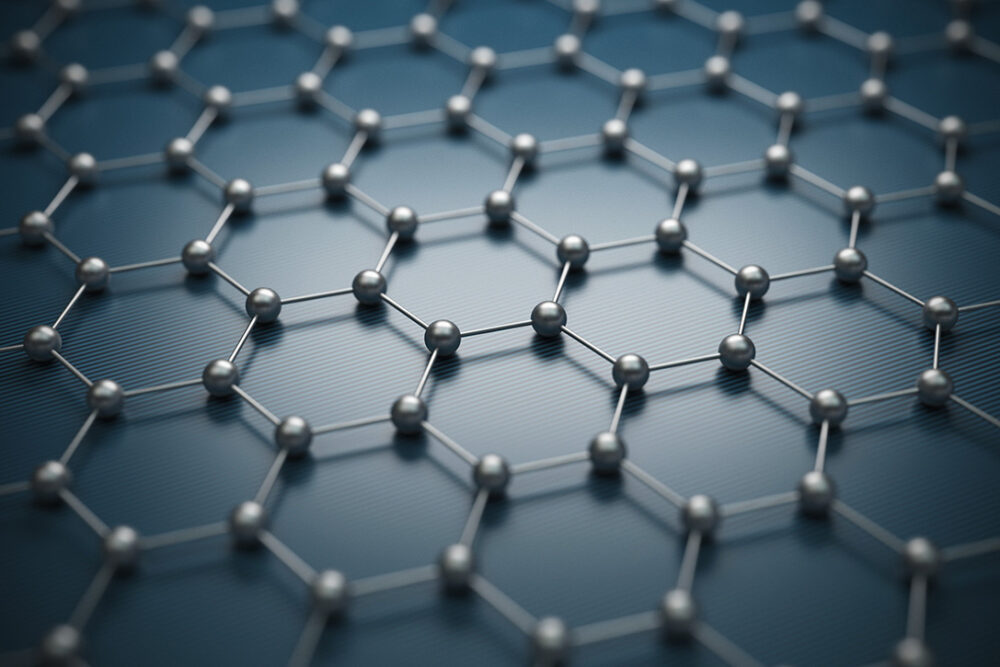
Graphene, a one-atom-thick layer of carbon atoms arranged in a two-dimensional honeycomb lattice, has garnered significant interest in the scientific community. Its remarkable electrical, thermal, and mechanical properties position it as a potential game-changer in numerous fields, from electronics to materials science. However, beneath this veneer of promise lies a fundamental issue: why is graphene […]

Read More →

How can graphene be made into a rope or cloth?

Graphene, a monolayer of carbon atoms arranged in a two-dimensional lattice, has captivated the scientific community with its exceptional electrical, thermal, and mechanical properties. Given its remarkable strength and flexibility, a tantalizing question arises: How can graphene be transformed into a rope or cloth? This exploration offers both an opportunity for innovation and a challenge […]

Read More →

What is graphene

What if a single layer of carbon atoms could reshape the very fabric of our technological landscape? Graphene, a remarkable allotrope of carbon, answers that intriguing question. Recognized for its extraordinary properties, this two-dimensional material is nothing short of a scientific marvel, paving the way for revolutionary advancements in various domains ranging from electronics to […]

Read More →

How can graphene contribute in the aerospace industry?

The aerospace industry stands as a bastion of innovation and engineering prowess, pushing the boundaries of what is possible in flight and space exploration. In this realm, where every gram counts and efficiency is paramount, graphene emerges as a groundbreaking material, poised to revolutionize the way vehicles traverse the skies and beyond. Graphene, a one-atom-thick […]

Read More →

Is graphene the only 2D material in the world?

In the hierarchically stratified territory of materials science, graphene has ascended to a prominent position, often heralded as the quintessential two-dimensional (2D) material. Yet, to regard graphene as the sole inhabitant of this ethereal plane would be a gross oversimplification. The exploration of two-dimensional materials has unveiled an astonishing array of counterparts that not only […]

Read More →

What makes graphene so strong?

Graphene has emerged as a paragon of modern material science, captivating researchers and engineers alike with its extraordinary strength and versatility. Often described as a ‘wonder material’, it is emblematic of the potential hidden within single-atom-thick layers of carbon. To fathom why graphene exhibits such remarkable mechanical properties, one must delve into its atomic structure, […]

Read More →

Can Crystals Be Flat? The Physics Behind 2D Materials

In recent years, the quest for understanding two-dimensional (2D) materials has captivated physicists and materials scientists alike. These materials, characterized by their atomic-scale thickness, have opened new horizons in various fields including electronics, photonics, and nanotechnology. The main question arises: Can crystals indeed be flat? In this exploration, we will delve into the physics behind […]

Read More →

What are cheap ways to create graphene?

Graphene, an allotrope of carbon, has gained immense attention in the realms of materials science, chemistry, and physics due to its extraordinary properties that encompass high electrical conductivity, remarkable mechanical strength, and exceptional thermal properties. The aspiration to harness graphene’s potential has spurred research into cost-effective synthesis methods. This article elucidates various inexpensive avenues for […]

Read More →

Letian Wang: Architect of Tomorrow’s Nanoworlds

In the intricate realm of modern science, the convergence of disciplines often yields innovations that paint a vivid picture of the future. Within this dynamic landscape, Letian Wang emerges as a luminary, his work forging pathways into uncharted territories of nanotechnology. He is not merely a scientist but an architect of tomorrow’s nanoworlds, constructing intricate […]

Read More →

Why hasn’t graphene replaced silicon yet?

Graphene, a single layer of carbon atoms arranged in a two-dimensional honeycomb lattice, has garnered immense attention since its isolation in 2004. Its exceptional electrical, thermal, and mechanical properties position it as a potential game-changer in various industries, particularly electronics. However, despite its promise, graphene has yet to replace silicon as the primary semiconductor material […]

Read More →