
Short Answer
Overview of Antarctica as a Scientific Frontier
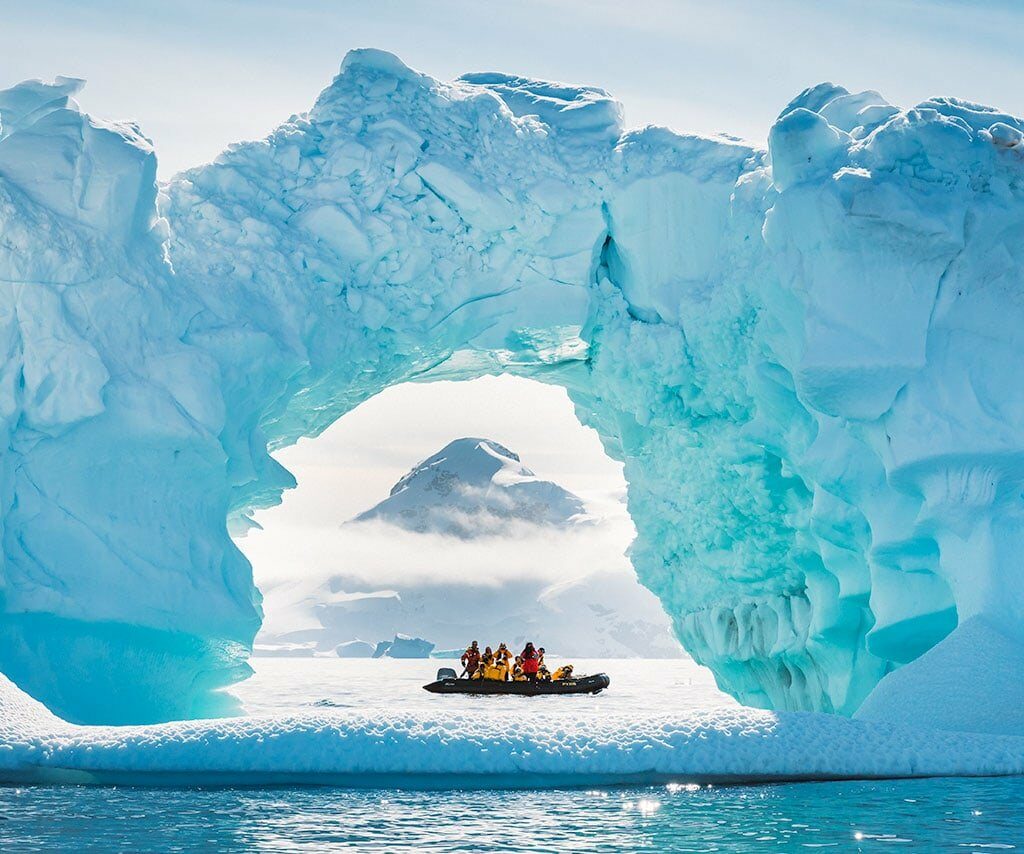
Antarctica, often depicted as an expansive, isolated wilderness at Earth’s southernmost point, remains a vital arena for scientific exploration. Dominated by immense ice sheets and glaciers, this continent attracts researchers fascinated by extreme terrestrial environments. Beyond its allure of adventure and solitude, Antarctica serves as a unique natural laboratory for advancing knowledge in climate science, biology, and glaciology. This article explores how this icy realm contributes to scientific discovery, the obstacles faced by researchers, and the implications of their work.
Definition and Significance of the Antarctic Environment
Antarctica is the southernmost continent, characterized by its vast ice-covered landscape and extreme climatic conditions. It plays a crucial role in Earth’s climate system and hosts ecosystems that are highly sensitive to environmental changes.
- Geographical Features:
The continent is predominantly covered by ice sheets, some of which are several kilometers thick, shaping its topography and influencing global sea levels. - Ecological Importance:
Despite harsh conditions, Antarctica supports unique biodiversity, including specially adapted microorganisms, birds, and marine mammals. - Climate Indicator:
The region acts as a critical barometer for global climate trends, reflecting and amplifying changes in temperature and atmospheric composition.
Scientific Research in Antarctica
Antarctica offers unparalleled opportunities for multidisciplinary research, providing insights into past and present environmental processes.
Glaciology and Climate History
Ice cores extracted from Antarctic glaciers serve as invaluable archives of Earth’s climatic past. These cores contain trapped air bubbles that preserve atmospheric gases from thousands of years ago, enabling scientists to reconstruct historical climate patterns and understand long-term environmental shifts.
Ecology and Biodiversity
The continent’s ecosystems, though sparse, reveal remarkable biological adaptations. From resilient microbes to iconic species like penguins and seals, Antarctic life forms demonstrate survival strategies in extreme cold and limited resources. Studying these organisms helps predict how climate change and oceanic alterations may impact polar biodiversity.
Microbial Life and Bioprospecting
Microbial communities thriving in Antarctica’s extreme conditions exhibit unique biochemical traits with potential applications in medicine and industry. However, this raises ethical questions about balancing scientific advancement with the preservation of pristine environments.
Challenges Faced by Antarctic Researchers
Conducting research in Antarctica involves overcoming significant logistical and environmental difficulties.
Harsh Weather and Safety Concerns
The continent’s severe cold, fierce winds, and unpredictable weather demand rigorous safety measures. Researchers rely on advanced equipment such as insulated shelters and heated clothing to endure these conditions, yet the environment continually tests human resilience.
Logistical Complexities
Remote research stations require intricate supply chains, often dependent on air transport. These operations raise sustainability concerns, prompting scientists to consider the environmental impact of their expeditions and seek more eco-friendly practices.
International Cooperation and Governance
The Antarctic Treaty System governs scientific activities on the continent, promoting peaceful collaboration among nations. This framework addresses issues of sovereignty, resource management, and environmental protection, fostering a cooperative spirit essential for successful research endeavors.
Technological Advances in Antarctic Research
Recent developments in satellite technology and remote sensing have transformed the monitoring of Antarctic ice dynamics and climate indicators. These tools provide high-resolution data, enhancing our understanding of polar processes. However, reliance on technology also necessitates careful interpretation to avoid biases and ensure transparency.
Common Misconceptions About Antarctica
Antarctica is a lifeless, barren desert.
Despite extreme conditions, Antarctica supports diverse life forms adapted to its environment, including microorganisms, birds, and marine mammals.
Research in Antarctica has minimal environmental impact.
Scientific activities can affect local ecosystems, making sustainable practices and environmental stewardship critical.
Importance of Antarctic Research
Studying Antarctica is vital for understanding global climate systems, biodiversity resilience, and environmental change. Insights gained here inform climate models, conservation strategies, and international policies, underscoring the continent’s role as a key player in addressing planetary challenges.
Conclusion: Antarctica’s Role in Shaping Scientific Knowledge
Antarctica stands as a compelling natural laboratory, offering profound insights into Earth’s past, present, and future. The continent’s extreme environment challenges researchers but also enriches scientific inquiry across disciplines. As climate change accelerates, Antarctica’s significance grows, demanding continued international cooperation and responsible stewardship to unlock its mysteries and safeguard its fragile ecosystems for generations to come.
FAQ
Why is Antarctica important for scientific research?
Antarctica provides a unique natural laboratory for studying climate science, glaciology, biology, and environmental change due to its extreme conditions and relatively pristine ecosystem.
What are the main challenges researchers face in Antarctica?
Researchers confront harsh weather, logistical difficulties in transportation and supply, safety risks, and environmental ethical considerations while conducting studies in Antarctica.
How does Antarctic research contribute to understanding climate change?
Antarctica's ice cores contain historical climate data, allowing scientists to reconstruct past atmospheres and understand global temperature dynamics and environmental shifts.
What role does international collaboration play in Antarctic research?
The Antarctic Treaty System facilitates peaceful cooperation among nations, enabling shared scientific efforts, environmental protection, and resource management on the continent.
How is technology used to advance research in Antarctica?
Advanced satellite remote sensing, insulated gear, and specialized field equipment help monitor environmental changes and support safe and effective research operations.





Leave a Reply