
Short Answer
Definition of Nanocars
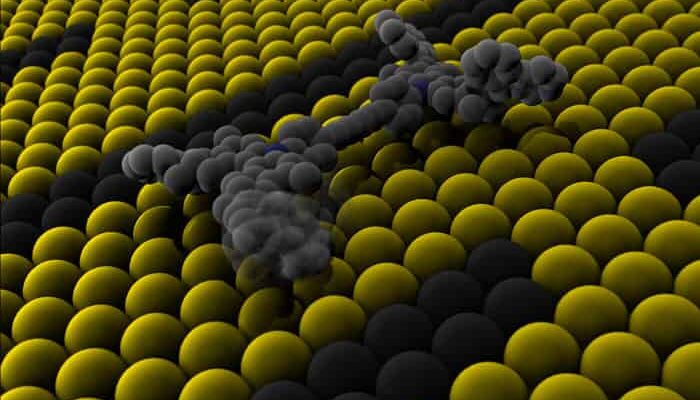
Nanocars are molecular-scale vehicles engineered to mimic the structure and function of traditional automobiles but operate at the nanoscale. These sophisticated molecular assemblies typically consist of a chassis, wheels, and propulsion systems, all constructed from organic or inorganic molecules. Designed to move across surfaces, nanocars represent a pioneering frontier in nanotechnology and molecular engineering.
- Chassis:
The central framework that supports the nanocar’s components, often made from dendrimers or other complex molecular structures. - Wheels:
Molecular units capable of rotation, enabling the nanocar to roll across surfaces. - Propulsion Mechanisms:
Systems that convert external stimuli such as light or chemical energy into motion.
Scientific Principles Behind Nanocar Movement
The propulsion of nanocars is governed by molecular physics, particularly the exploitation of thermal energy and chemical gradients. Brownian motion, the random movement of particles suspended in a fluid, plays a crucial role in facilitating nanocar mobility. When thermal energy is unevenly distributed, it creates directional forces that propel the nanocar forward. Additionally, chemical reactions can induce conformational changes in molecular components, driving motion at the nanoscale.
Engineering Challenges and Fabrication Techniques
Constructing functional nanocars involves overcoming significant engineering hurdles. Precision at the molecular level is essential to ensure that all parts operate cohesively and maintain stability under various environmental conditions. Advanced fabrication methods such as chemical vapor deposition and molecular self-assembly are commonly employed to build these intricate devices. The design process also requires a deep understanding of interatomic forces, including non-covalent interactions like hydrogen bonding and van der Waals forces, which maintain the structural integrity while allowing mobility.
Role of Molecular Interactions in Nanocar Design
Non-covalent forces are fundamental to the architecture of nanocars. These interactions provide the delicate balance needed to keep the wheels attached to the chassis while permitting rotational movement. Hydrogen bonds and van der Waals forces contribute to the flexibility and durability of the nanocar, enabling it to function effectively at the molecular scale. Mastery of these forces is critical for the successful development of nanocars.
Applications of Nanocars
Nanocars hold promise far beyond their initial conceptualization as miniature vehicles. Their unique capabilities open new avenues in medicine, materials science, and diagnostics.
- Targeted Drug Delivery:
Nanocars can be engineered to transport therapeutic agents directly to specific cells, such as cancer cells, improving treatment precision and reducing side effects. Surface modifications allow for the attachment of targeting molecules that recognize pathological tissues. - Sensors and Diagnostics:
Due to their nanoscale size and adaptability, nanocars can be integrated into sensor systems capable of detecting biomolecules at extremely low concentrations, facilitating early disease diagnosis and monitoring.
Ethical and Safety Considerations
The miniaturization of technology to the molecular level introduces complex ethical and safety challenges. Potential risks include environmental impact, unintended biological interactions, and misuse of nanodevices. Responsible development of nanocars necessitates stringent regulatory oversight and comprehensive risk assessments to ensure safe integration into medical and environmental applications.
Future Directions in Nanocar Research
Ongoing research in nanocar technology is rapidly advancing, driven by interdisciplinary collaboration across chemistry, physics, and engineering. Future nanocars may feature programmable behaviors, enabling them to adapt dynamically to environmental cues. Such innovations could blur the boundaries between synthetic devices and biological systems, opening new possibilities in nanomedicine and smart materials.
Importance of Nanocars in Science and Technology
Nanocars exemplify the convergence of molecular engineering and nanotechnology, offering transformative potential in various scientific and technological domains. Their development enhances our understanding of molecular motion and control, paving the way for breakthroughs in targeted therapies, nanoscale manufacturing, and advanced diagnostics. As this field evolves, balancing innovation with ethical responsibility will be crucial to harnessing the full benefits of nanocar technology.
FAQ
What are nanocars?
Nanocars are molecular-scale vehicles engineered to operate at the nanoscale, designed to mimic traditional automobiles.
What are the applications of nanocars?
They have potential uses in targeted drug delivery, diagnostics, and advanced materials.
What challenges do engineers face in creating nanocars?
Key challenges include maintaining precision at the molecular level and ensuring stability in various environments.
What ethical issues are associated with nanocar technology?
Concerns include environmental impact, potential biological interactions, and the misuse of nanotechnology.






Leave a Reply