
Short Answer
Definition
Constructing telescopes at Earth’s polar regions involves establishing advanced astronomical observatories in the extreme environments of the Arctic and Antarctic. These locations, known for their severe cold, persistent winds, and unique light cycles, offer distinctive atmospheric conditions that could enhance the clarity and quality of celestial observations. The concept explores whether these remote frontiers can serve as innovative platforms for building and operating large-scale telescopes, potentially bridging the gap between ground-based and spaceborne astronomy.
Unique Atmospheric Advantages of Polar Regions
The polar environments present exceptional conditions that are highly beneficial for astronomical observations:
- Extremely Dry Air:
The Antarctic plateau, in particular, has minimal water vapor, which reduces light absorption and scattering, allowing clearer views of the cosmos. - Stable Atmosphere:
The air is often still and calm, minimizing atmospheric turbulence that causes the twinkling of stars, thus improving image sharpness. - Extended Darkness:
During the polar winter, continuous night spans several months, providing uninterrupted opportunities for deep-sky observations without daylight interference.
Challenges of Telescope Construction at the Poles
Despite the observational benefits, building telescopes in polar regions entails significant obstacles:
- Logistical Difficulties:
Transporting large, heavy components to remote polar stations is complex and costly, requiring specialized vehicles and timing to avoid extreme weather. - Harsh Environmental Conditions:
Subzero temperatures and fierce winds complicate the operation of machinery and the safety of personnel involved in assembly and maintenance. - Human Factors:
The isolation, prolonged darkness, and limited access to medical or emergency support pose psychological and physiological challenges for workers stationed at these sites.
Technological Innovations Enabling Polar Telescope Assembly
Recent advancements offer promising solutions to overcome polar construction challenges:
- Robotics and Automation:
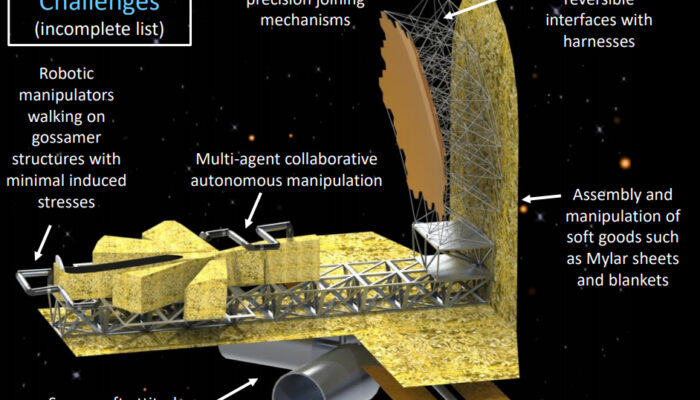
Autonomous or remotely controlled robots can perform delicate assembly tasks in extreme conditions, reducing human exposure and increasing precision. - Modular Design:
Telescopes can be designed in segments that are easier to transport and assemble on-site, allowing the construction of larger mirrors and instruments than those limited by rocket payload constraints. - Advanced Materials:
Development of self-healing and weather-resistant materials can enhance the durability and reduce maintenance needs of polar observatories.
Hybrid Approach: Bridging Earth and Space Observatories
Building telescopes at the poles could serve as an intermediate step between terrestrial and space-based astronomy:
- On-Site Assembly and Testing:
Components can be constructed and calibrated in the polar environment, benefiting from stable atmospheric conditions before being launched into orbit. - Reduced In-Orbit Complexity:
Pre-assembled or partially assembled instruments require less in-space assembly, lowering mission risks and costs. - Enhanced Telescope Size and Capability:
This approach could enable the deployment of larger, more powerful telescopes than currently feasible with direct launches.
Environmental and Geopolitical Considerations
Any large-scale construction in polar regions must navigate complex international and ecological frameworks:
- International Treaties:
The Antarctic Treaty System and other agreements protect these regions, mandating environmental preservation and regulating human activity. - Environmental Impact:
Construction projects must minimize disruption to fragile ecosystems and avoid pollution, requiring sustainable practices and thorough impact assessments. - Global Cooperation:
Successful implementation depends on multinational collaboration to balance scientific advancement with conservation efforts.
Scientific Significance of Polar Observatories
Establishing telescopes at the poles could revolutionize various fields of astronomy and astrophysics:
- Cosmic Microwave Background Studies:
The low atmospheric noise enhances detection of faint signals from the early universe. - Exoplanet Research:
Stable conditions improve the observation of distant planetary atmospheres and transient phenomena. - Astrophysical Surveys:
Extended darkness and minimal light pollution enable comprehensive sky surveys and monitoring of variable cosmic events.
Maintenance and Operational Challenges
Maintaining polar telescopes involves unique difficulties compared to space-based instruments:
- Limited Access Windows:
Severe weather and seasonal constraints restrict repair and upgrade opportunities. - Dependence on Autonomous Systems:
Instruments must be capable of semi-autonomous operation and self-repair to ensure continuous functionality. - Supply Chain Vulnerabilities:
Resupply missions are weather-dependent and logistically complex, necessitating robust contingency planning.
Human Factors and Habitat Considerations
Long-term human presence in polar telescope projects requires addressing physiological and psychological needs:
- Circadian Rhythm Disruption:
Continuous darkness or daylight affects sleep patterns and cognitive performance, demanding innovative lighting and scheduling solutions. - Mental Health Support:
Isolation and confinement necessitate comprehensive psychological care and social support systems. - Habitat Design:
Facilities must provide safe, comfortable living and working environments that mitigate environmental stresses.
Conclusion: The Future of Polar Telescope Construction
Constructing telescopes at Earth’s poles represents a bold intersection of human ingenuity, technological progress, and environmental stewardship. While the challenges are formidable-from extreme climates and logistical hurdles to geopolitical and ecological concerns-the potential scientific rewards are immense. By leveraging robotics, modular designs, and international collaboration, polar observatories could become pivotal platforms for astronomical discovery, complementing space-based instruments and expanding our understanding of the universe. This visionary endeavor embodies humanity’s enduring quest to explore the cosmos from the most remote corners of our planet.
FAQ
What are the benefits of building telescopes at Earth's poles?
The polar regions offer extremely dry air, stable atmospheric conditions, and extended darkness, which improve the clarity of astronomical observations.
What challenges are associated with constructing telescopes in polar areas?
Challenges include logistical difficulties in transporting equipment, harsh environmental conditions, and the psychological effects of isolation on workers.



Leave a Reply