
Short Answer
Definition of Interplanetary Dust and Its Role in Life’s Origins
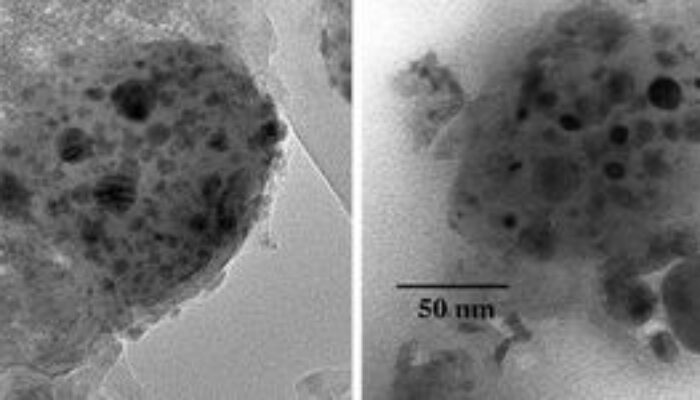
Interplanetary dust particles (IDPs) are tiny fragments that traverse the space between planets, originating from sources such as comets, asteroids, and other celestial bodies. These microscopic grains consist of diverse elements including carbon, silicon, and metals, often embedded within silicate frameworks. Notably, some IDPs harbor complex organic molecules, which are fundamental to the chemistry of life. This has led to the hypothesis that these cosmic particles may have delivered essential organic precursors to Earth, potentially initiating the processes that gave rise to life.
- Composition:
IDPs contain a mixture of inorganic and organic materials, including carbon-based compounds crucial for biogenesis. - Origin:
They are primarily sourced from cometary tails, asteroid collisions, and interstellar debris. - Significance:
Their organic content suggests a possible extraterrestrial contribution to the molecular building blocks of life.
Theoretical Frameworks: Panspermia and Abiogenesis
The panspermia hypothesis proposes that life, or at least its molecular constituents, is distributed throughout the universe via cosmic carriers such as IDPs, meteorites, and comets. This theory gains support from the detection of amino acids and other organic molecules in extraterrestrial materials. Laboratory experiments have further demonstrated that certain microorganisms can endure the extreme conditions of space, bolstering the idea that life might not be exclusive to Earth.
Abiogenesis, on the other hand, describes the natural emergence of life from non-living chemical substances under favorable conditions. Early Earth’s reducing atmosphere provided an environment conducive to the synthesis of organic molecules. In this context, IDPs could have acted as catalysts or delivery vehicles, introducing vital compounds like peptides and nucleobases that facilitated the transition from chemistry to biology.
Mechanisms Linking Interplanetary Dust to Biogenesis
The interaction between IDPs and Earth’s primordial environment likely involved multiple synergistic processes. The surface chemistry of these particles, characterized by reactive sites, may have promoted polymerization reactions essential for forming larger biomolecules. Experimental simulations mimicking early Earth conditions have shown that aqueous environments combined with IDP-like materials can foster the assembly of complex organic structures.
Moreover, the influx of IDPs could have enriched the prebiotic “soup” with diverse organic compounds, enabling self-organization and selective replication mechanisms. This aligns with the RNA world hypothesis, which posits that RNA molecules capable of both genetic information storage and catalytic activity preceded DNA-based life forms.
Formation of DNA Precursors in Space
One critical step in the origin of life is the synthesis of nucleic acids such as DNA and RNA. Research indicates that essential components like sugars (e.g., ribose) and nitrogenous bases may have been formed in extraterrestrial environments or delivered to Earth via IDPs. The detection of ribose in meteorites supports the idea that these molecules could have cosmic origins, bridging the gap between simple organic compounds and the complex macromolecules necessary for life.
Chirality and Molecular Asymmetry in Life’s Building Blocks
Biological molecules exhibit chirality, meaning they exist in mirror-image forms, but life on Earth predominantly uses one chiral form (homochirality). The origin of this molecular handedness remains a subject of investigation. Some scientists suggest that extraterrestrial processes influencing the chiral selection of amino acids and sugars in IDPs may have contributed to this phenomenon, thereby shaping the molecular architecture of early life.
Implications for Understanding Life’s Uniqueness
If the fundamental components of life are indeed of cosmic provenance, this challenges the notion of Earth as a singular cradle of life. Recognizing that life’s building blocks may be widespread throughout the universe invites a broader perspective on humanity’s place in the cosmos. This paradigm encourages interdisciplinary research, integrating planetary science, astrobiology, chemistry, and molecular biology to unravel the complex origins of life.
Why Studying Interplanetary Dust Matters
Exploring the role of interplanetary dust in the emergence of life is crucial for several reasons. It expands our understanding of how life might arise under diverse cosmic conditions, informs the search for extraterrestrial life, and deepens insight into the chemical evolution that preceded biology. Each IDP serves as a tangible link between cosmic processes and terrestrial biology, offering clues to the intricate pathways that led to the development of living systems on Earth.
Summary
Interplanetary dust particles represent a vital component in the ongoing investigation into life’s origins. Their complex organic makeup, potential to catalyze biochemical reactions, and delivery of essential molecular precursors position them as key players in the transition from cosmic chemistry to biological complexity. By studying these particles and their interactions with early Earth environments, scientists continue to piece together the profound narrative of how life emerged from the vast expanse of space.
FAQ
What are interplanetary dust particles?
Interplanetary dust particles (IDPs) are tiny fragments from comets and asteroids that travel through space and may contain organic molecules essential for the development of life.
How do IDPs relate to the origin of life?
IDPs may have delivered vital organic precursors to early Earth, which could have catalyzed the emergence of life through various chemical processes.


Leave a Reply