
Short Answer
Definition of Electronics and Instrumentation Engineering
Electronics and instrumentation engineering is a vibrant and interdisciplinary branch of engineering that merges core engineering concepts with advanced technological applications. It focuses on the creation, analysis, and upkeep of electronic devices and instruments designed for measurement, control, and data acquisition. This field plays a pivotal role in enabling complex systems to communicate effectively and interpret data from various sensors, addressing both theoretical and practical challenges in modern technology.
Fundamental Components and Principles
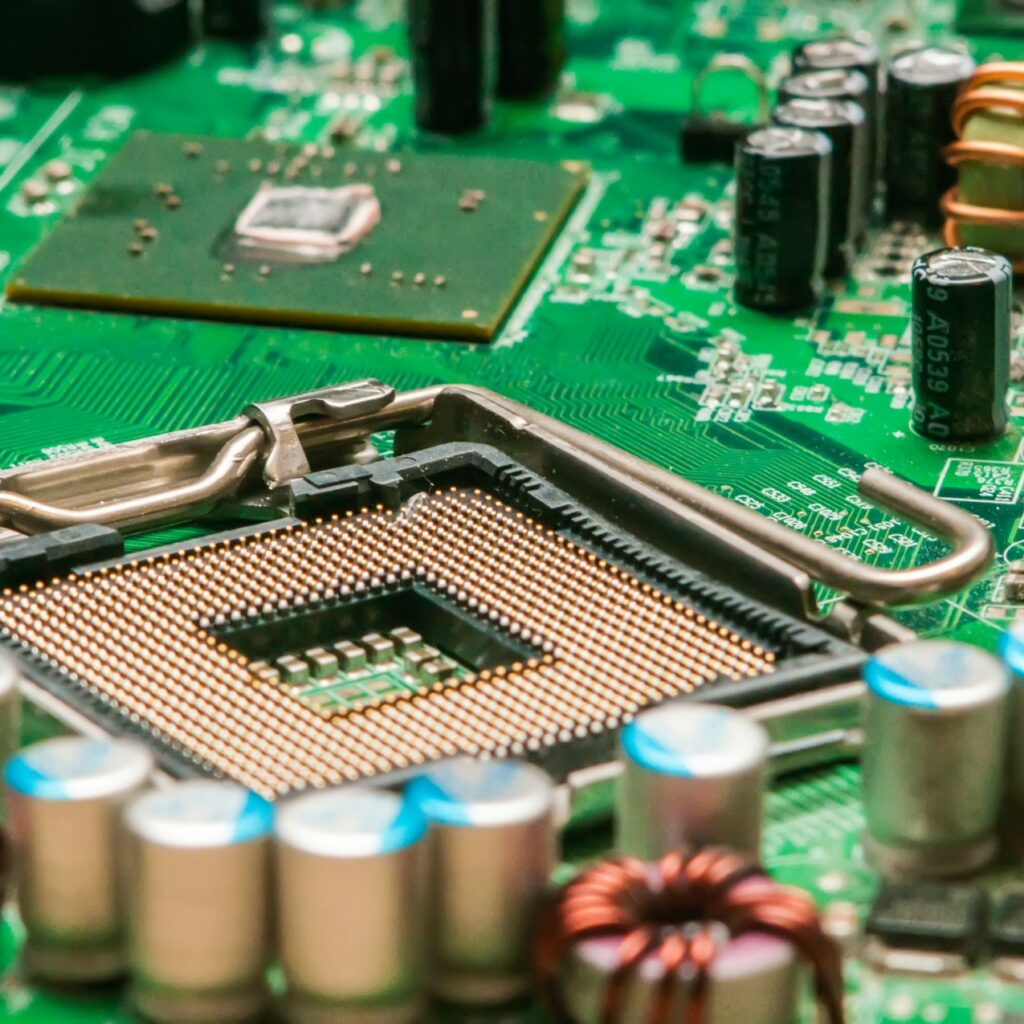
At the heart of this discipline lies the study of electronic components and their interactions. Basic elements such as resistors, capacitors, diodes, and transistors form the essential building blocks of electronic circuits. Each component has a distinct function, and their combined operation results in sophisticated electronic systems. These circuits can be linear or non-linear, influencing a wide range of applications from everyday gadgets to advanced aerospace technologies.
Key Electronic Components
- Resistors:
Control the flow of electric current by providing resistance. - Capacitors:
Store and release electrical energy in circuits. - Diodes:
Allow current to flow in one direction, acting as a one-way valve. - Transistors:
Function as switches or amplifiers within circuits.
Instrumentation: Measurement and Control
Instrumentation engineering extends the scope of electronics by focusing on the accurate measurement and regulation of physical variables such as temperature, pressure, flow, and liquid levels. Engineers in this field design sensors, transducers, and gauges that convert these physical quantities into electrical signals for monitoring and control purposes. Technologies like thermocouples, strain gauges, and capacitive sensors are commonly employed to ensure precise and reliable data collection, minimizing errors and enhancing system performance.
Sensing Technologies
- Thermocouples:
Measure temperature differences by generating voltage. - Strain Gauges:
Detect deformation or strain in materials. - Capacitive Sensors:
Sense changes in capacitance due to proximity or material properties.
Integration with Modern Technologies
With the rise of automation and intelligent systems, instrumentation engineering increasingly incorporates advanced digital components such as microcontrollers, field-programmable gate arrays (FPGAs), and digital signal processors (DSPs). These technologies enable the development of flexible instruments capable of real-time data processing and adaptive control. However, this integration also introduces challenges related to system robustness and cybersecurity, necessitating stringent measures to protect data integrity and operational reliability.
Applications Across Industries
Electronics and instrumentation engineering finds extensive applications in diverse sectors, enhancing efficiency, safety, and innovation.
Healthcare
Advanced diagnostic tools utilize sophisticated sensors to monitor vital signs, facilitating timely medical interventions and improving patient outcomes.
Environmental Monitoring
Sensors track environmental parameters such as pollution levels, contributing valuable data for climate research and ecological preservation.
Transportation
Electronic control systems optimize navigation, signaling, and safety in aviation, railways, and automotive industries.
Manufacturing and Automation
Automated production lines employ sensor-equipped robots and feedback mechanisms to maintain quality control and operational efficiency, raising important ethical and safety considerations.
Educational Foundations and Skill Development
Academic programs in electronics and instrumentation engineering combine theoretical knowledge with practical experience. Coursework typically covers circuit theory, control systems, digital electronics, and embedded programming, complemented by laboratory projects. This comprehensive training equips students with the skills necessary to design, implement, and troubleshoot complex electronic and instrumentation systems.
Emerging Trends and Future Directions
The field is rapidly evolving with the advent of the Internet of Things (IoT) and Industry 4.0, which introduce smart sensors capable of intercommunication and collaborative operation. These advancements expand traditional instrumentation boundaries but also require standardization and interdisciplinary cooperation to ensure seamless integration and functionality.
Common Misconceptions
Electronics and instrumentation engineering is solely about hardware.
The field equally emphasizes software development, system integration, and data analysis.
Instrumentation only involves simple measurement devices.
It encompasses complex sensor networks and control systems critical for automation and real-time monitoring.
Significance and Impact
Electronics and instrumentation engineering is fundamental to technological progress, influencing sectors from healthcare to environmental science. Its role in developing precise measurement tools and automated control systems drives innovation, enhances safety, and supports sustainable development. As technology advances, the discipline’s importance in addressing global challenges and improving quality of life continues to grow.
FAQ
What is electronics and instrumentation engineering?
It is a field that merges electronics with instrumentation for the purpose of measuring and controlling physical variables in various applications.
What are common misconceptions about this field?
Many believe it only involves hardware, while it equally emphasizes software and data analysis.


Leave a Reply