
Short Answer
Definition of a Physicist’s Approach to Voting
Voting represents a core mechanism through which individuals exercise their democratic rights, embodying personal agency in shaping governance. A physicist’s approach to voting involves applying scientific principles-such as empirical evidence, systematic analysis, and logical reasoning-to the decision-making process in elections. This method encourages voters to move beyond simplistic choices and engage deeply with the complexities of political information, thereby enhancing the quality of their electoral decisions.
Foundations of Scientific Decision-Making in Voting
At its essence, scientific inquiry is grounded in observation, hypothesis formulation, data collection, and critical evaluation. Similarly, voters can adopt these stages to navigate the multifaceted nature of elections:
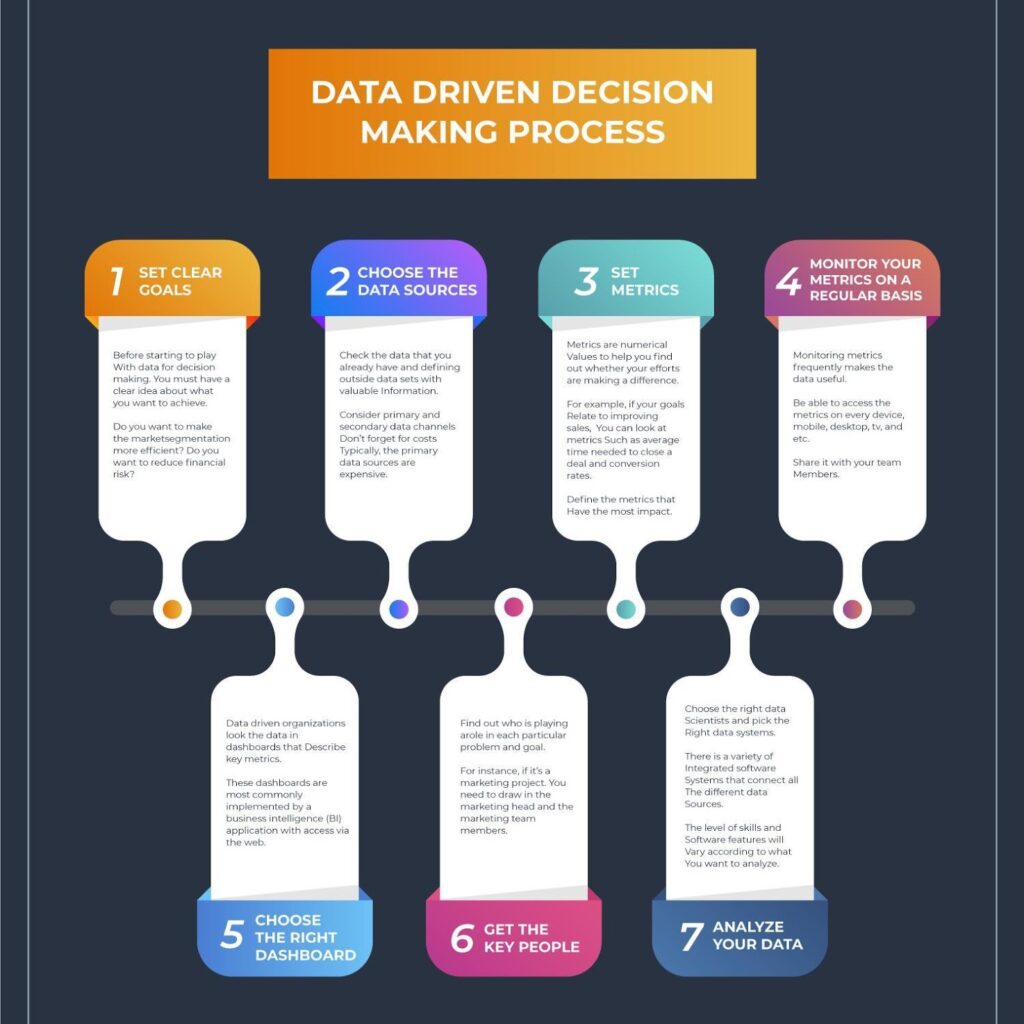
- Setting Clear Objectives:
Just as scientists begin with a research question, voters should identify their core values and priorities. This clarifies what issues matter most and guides focused analysis of candidates and policies. - Gathering Reliable Data:
Collecting unbiased, well-sourced information-such as independent candidate assessments and polling data-parallels the experimental data collection phase in physics. - Analyzing and Interpreting Information:
Employing statistical understanding, such as recognizing margins of error and confidence intervals, helps voters critically assess the validity of electoral data. - Evaluating Candidate Integrity:
Beyond policy platforms, examining candidates’ past behavior and decision-making patterns allows voters to predict future actions, akin to theorizing in scientific models.
Understanding Cognitive Biases in Electoral Choices
Human decision-making is often influenced by cognitive biases that can distort rational judgment. Recognizing these psychological tendencies is crucial for voters aiming to emulate the objectivity of scientific reasoning:
- Confirmation Bias:
The tendency to favor information that confirms existing beliefs. Voters should actively seek out opposing viewpoints to counteract this bias. - Bandwagon Effect:
The inclination to support a candidate simply because they appear popular. Awareness of this effect encourages independent evaluation rather than herd mentality.
Systematic Evaluation Techniques for Voting
Applying structured decision-making tools enhances clarity and objectivity in electoral choices. For example, a pros-and-cons analysis allows voters to weigh the benefits and drawbacks of each candidate or policy systematically. This method synthesizes diverse data points into a coherent framework, facilitating informed comparisons and better anticipation of potential outcomes, much like modeling in physics.
Addressing Uncertainty in Elections
Uncertainty is an inherent aspect of both scientific experiments and political processes. Voters must acknowledge that electoral outcomes cannot be predicted with absolute certainty due to numerous uncontrollable variables. Embracing this uncertainty fosters adaptability and prevents decision paralysis, empowering voters to make confident choices despite unpredictability.
The Role of Continuous Civic Engagement
Voting is only one facet of democratic participation. Ongoing involvement-such as engaging in political discussions, attending community forums, and advocating for informed decision-making-mirrors the collaborative nature of scientific progress. Just as peer review strengthens scientific knowledge, collective civic dialogue enriches public understanding and improves future electoral decisions by exposing voters to diverse perspectives.
Why a Physicist’s Approach to Voting Matters
Integrating scientific methodologies into voting elevates the democratic process by promoting evidence-based, critical thinking. This approach helps voters transcend superficial judgments and emotional biases, leading to more thoughtful and impactful electoral choices. Ultimately, informed voting not only advances individual values but also reinforces the integrity and effectiveness of democratic governance.
Summary
Adopting a physicist’s mindset in voting involves:
- Defining personal priorities clearly.
- Collecting and scrutinizing credible data.
- Understanding and mitigating cognitive biases.
- Using structured evaluation methods like pros-and-cons lists.
- Accepting and managing uncertainty.
- Engaging continuously in civic discourse.
By embracing these principles, voters can make decisions that are both rational and reflective of their values, thereby contributing meaningfully to the democratic process.
FAQ
How can I apply a physicist’s approach to voting?
Define your voting objectives clearly, gather unbiased data, analyze candidates systematically, recognize biases, and accept uncertainties to make well-informed decisions.
What are common cognitive biases that affect voters?
Common biases include confirmation bias, where voters favor information confirming existing beliefs, and the bandwagon effect, where individuals follow popular opinion.
Why is data analysis important in the voting process?
Data analysis helps voters understand polling accuracy, candidate platforms, and potential impacts, enabling more rational choices.
Can scientific methods improve democratic participation?
Yes, scientific methods encourage evidence-based decision-making and critical engagement, strengthening democratic processes.





Leave a Reply