
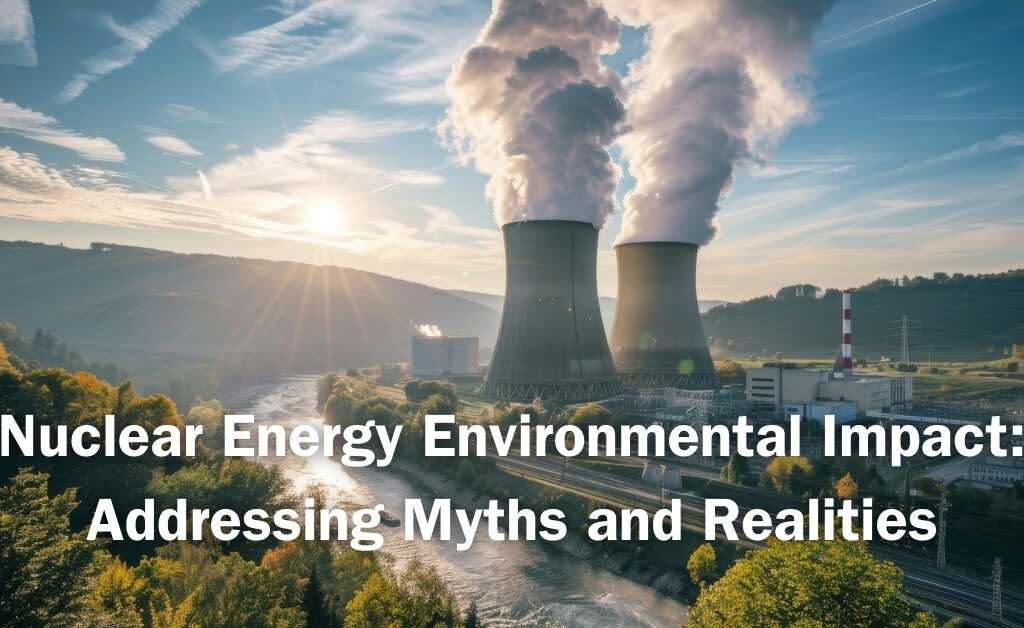
Short Answer
Definition of Nuclear Energy
Nuclear energy is a form of power generated through the process of nuclear fission, where the nucleus of a heavy atom, such as uranium, is split to release a substantial amount of energy. This energy is harnessed primarily for electricity production and is recognized for its low greenhouse gas emissions during operation, making it a significant alternative to fossil fuel-based power sources.
Fundamentals of Nuclear Energy Production
The generation of nuclear energy begins with the splitting of atomic nuclei, a reaction that releases heat used to produce steam, which then drives turbines to generate electricity. Unlike conventional fossil fuel plants, nuclear reactors emit negligible carbon dioxide during their operational phase, positioning nuclear power as a key player in reducing global carbon footprints.
Environmental Implications Across the Nuclear Energy Lifecycle
Uranium Mining and Its Ecological Impact
The initial stage of nuclear energy production involves extracting uranium, a process that can significantly disrupt natural environments. Techniques such as open-pit mining and in-situ leaching often lead to soil erosion, contamination of water sources, and destruction of habitats, thereby threatening biodiversity and affecting local communities.
Fuel Enrichment and Fabrication
After mining, uranium undergoes enrichment and fuel fabrication, which are energy-intensive processes. These stages contribute indirectly to environmental impacts through increased energy consumption and associated emissions, highlighting the broader ecological footprint beyond the reactor itself.
Radioactive Waste Management Challenges
One of the most critical environmental concerns linked to nuclear energy is the handling of radioactive waste. This waste contains isotopes with hazardous lifespans extending thousands of years, necessitating secure storage solutions such as temporary containment or deep geological repositories. The long-term stewardship of this waste raises complex ethical and logistical questions, demanding stringent regulatory oversight and innovative technological approaches.
Risks and Consequences of Nuclear Accidents
Although nuclear accidents are infrequent, their potential environmental devastation is profound. Historical events like Chernobyl and Fukushima illustrate the severe and lasting damage radiation can inflict on ecosystems. Post-accident environments often experience significant loss of flora and fauna, with some species adapting over time, reflecting both the vulnerability and resilience of nature in the face of radiation exposure.
Thermal Pollution and Aquatic Ecosystem Disruption
Nuclear power plants also contribute to environmental stress through thermal pollution. The release of heated water into nearby rivers or oceans can alter aquatic habitats, affecting species diversity and reproductive cycles. These changes can cascade through food webs and nutrient cycles, impacting broader ecological networks beyond the immediate vicinity of the plant.
Innovations in Nuclear Technology for Environmental Sustainability
Advanced Reactor Designs
Emerging nuclear technologies, including small modular reactors (SMRs) and thorium-based reactors, aim to improve safety and reduce environmental impacts. These innovations promise more efficient energy production with smaller land footprints and enhanced waste management capabilities, potentially transforming the sustainability profile of nuclear power.
Closed Fuel Cycles and Recycling
Technological advancements in fuel reprocessing and closed fuel cycles offer the possibility of recycling spent nuclear fuel. This approach can significantly decrease the volume of radioactive waste, converting it from a liability into a reusable resource, and exemplifies the integration of environmental responsibility with technological progress.
Balancing Benefits and Drawbacks: The Role of Nuclear Energy in Climate Change Mitigation
As global efforts intensify to combat climate change, nuclear energy’s role becomes increasingly complex. Its low operational emissions make it a valuable tool in reducing greenhouse gases, yet the environmental costs associated with its full lifecycle-from mining to waste disposal-require comprehensive evaluation. Understanding this balance is essential for informed energy policy and sustainable development.
Common Misconceptions About Nuclear Energy
Nuclear energy produces large amounts of greenhouse gases.
Nuclear power plants emit minimal greenhouse gases during operation, making them a low-carbon energy source.
Radioactive waste can be easily disposed of.
Radioactive waste remains hazardous for thousands of years and requires secure, long-term management strategies.
Nuclear accidents are common.
Nuclear accidents are rare but can have severe environmental consequences when they occur.
Significance of Nuclear Energy in Modern Society
Nuclear energy holds a pivotal position in the global energy landscape due to its capacity to generate large-scale, low-carbon electricity. Its development and deployment influence climate change mitigation strategies, energy security, and technological innovation. Responsible management of its environmental impacts is crucial to ensuring that nuclear power remains a sustainable and viable energy option for future generations.
FAQ
What is the environmental impact of nuclear energy?
Nuclear energy has a complex environmental impact: it produces low greenhouse gas emissions during electricity generation but poses challenges related to uranium mining, radioactive waste, accident risks, and thermal pollution.
Are nuclear accidents common?
Nuclear accidents are statistically rare but can cause significant and long-lasting environmental damage, as seen in Chernobyl and Fukushima.
How is nuclear waste handled?
Nuclear waste is managed through methods such as temporary storage and deep geological repositories, with research ongoing into recycling to reduce waste volume.
Can nuclear energy help fight climate change?
Yes, because nuclear energy generates large amounts of electricity with minimal greenhouse gas emissions, it is considered a key component in reducing carbon footprints.
What innovations are improving nuclear energy's environmental footprint?
Innovations like small modular reactors, thorium reactors, and closed fuel cycles aim to increase safety, reduce waste, and lower environmental impacts.





Leave a Reply