

Short Answer
Definition of Chemical Origami
Chemical origami is an innovative interdisciplinary field that merges principles from materials science, chemistry, and the traditional art of origami. Unlike conventional paper folding, this discipline focuses on transforming two-dimensional (2D) chemical precursors into intricate three-dimensional (3D) structures. This transformative process opens new avenues in areas such as nanotechnology, targeted drug delivery, and soft robotics, while also deepening our understanding of molecular-level geometric transformations.
Fundamental Principles and Mechanisms
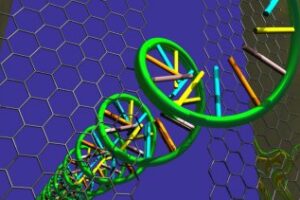
At its core, chemical origami represents a shift from static molecular synthesis to dynamic structural manipulation. Instead of assembling molecules in fixed configurations, this approach leverages controlled folding and deformation of 2D materials-such as graphene sheets or polymer films-to create complex 3D architectures. The folding process involves localized mechanical strain that modifies bond lengths and angles, enabling a transition from flat geometries to spatially intricate forms through energetically favorable pathways.
Preparation of Folding Precursors
The process begins with the fabrication of flat precursor sheets designed for subsequent folding. These sheets are typically polymeric films functionalized with specific chemical groups that respond to external stimuli. Activation methods, including thermal treatment or solvent-induced swelling, trigger the folding transformation, guiding the material into the intended 3D shape. The success of this transformation depends on the precise tuning of the material’s chemical and physical properties.
Materials Utilized in Chemical Origami
The versatility of chemical origami is highlighted by the wide range of materials employed, spanning polymers, metals, and biological substances. Each material class offers unique advantages:
- Polymers:
Thermoresponsive and pH-sensitive polymers are particularly valuable due to their ability to reversibly change shape in response to environmental cues, allowing precise control over folding dynamics. - Metals:
Metal-based structures can be fabricated through methods like electroplating, providing enhanced mechanical strength and functional diversity. - Biological Materials:
Incorporating biomolecules or bio-inspired materials introduces biocompatibility and potential for integration with living systems.
Applications of Chemical Origami
Targeted Drug Delivery Systems
One of the most promising applications lies in the design of drug delivery vehicles capable of controlled and site-specific release. Origami-inspired structures can encapsulate therapeutic agents and respond to physiological stimuli-such as pH shifts or temperature changes-to release drugs precisely where needed. This targeted approach minimizes side effects and enhances treatment efficacy, representing a significant advancement in pharmaceutical technology.
Soft Robotics
Chemical origami also plays a pivotal role in the development of soft robots, which are characterized by their flexible, compliant structures. By integrating folding mechanisms with responsive materials, these robots can undergo substantial shape transformations, mimicking biological organisms. This adaptability enables navigation through complex environments and execution of delicate tasks, such as minimally invasive surgical procedures.
Artistic and Scientific Synergy
Beyond practical uses, chemical origami fosters a unique intersection between science and art. Researchers create visually captivating 3D forms that not only serve functional purposes but also inspire curiosity and interdisciplinary collaboration. These artistic expressions help bridge the gap between scientific innovation and public engagement.
Self-Assembly and Biomimicry in Chemical Origami
Understanding the spontaneous folding and self-assembly processes is a critical research focus. These phenomena mirror natural systems, such as protein folding, where molecules adopt complex shapes autonomously. Insights gained from studying these mechanisms can inform biomimetic designs, enabling the creation of materials and devices that emulate the efficiency and adaptability found in nature.
Challenges and Future Directions
Despite its transformative potential, chemical origami faces several challenges. Predicting folding outcomes requires sophisticated computational models and rigorous experimental validation to ensure reproducibility. Additionally, the interdisciplinary nature of the field demands effective communication and collaboration among chemists, engineers, biologists, and material scientists. Advances in computational simulations are expected to play a crucial role in exploring design possibilities and optimizing folding strategies.
Significance and Impact
Chemical origami represents a groundbreaking convergence of disciplines, where static chemical synthesis evolves into dynamic material design. Its implications extend across scientific research, technological innovation, and artistic expression. By enabling precise control over molecular and macroscopic structures, this approach promises to revolutionize material fabrication, enhance biomedical technologies, and inspire new forms of creative exploration.
FAQ
What is chemical origami?
Chemical origami is the process of folding two-dimensional chemical materials into three-dimensional structures using controlled chemical and physical stimuli.
What materials are commonly used in chemical origami?
Materials such as polymers, metals, graphene, and biological materials are commonly used due to their versatile folding properties.
What are the main applications of chemical origami?
Key applications include drug delivery systems, soft robotics, nanotechnology, and the creation of dynamic material designs.
How does chemical origami benefit drug delivery?
Chemical origami allows for precise, stimulus-responsive structures that can target drug release to specific environments, improving efficacy and reducing side effects.
What challenges does chemical origami face?
Challenges include ensuring predictability and reproducibility of folding mechanisms and the need for interdisciplinary collaboration and advanced computational modeling.



Leave a Reply