How do you learn high-performance computing?

Definition of High-Performance Computing (HPC) High-performance computing (HPC) refers to the use of advanced computational systems and techniques to solve highly complex problems that require immense processing power. It involves leveraging multiple processors working in parallel to perform large-scale calculations, simulations, and data analyses that are beyond the capabilities of standard computers. Core Concept: HPC […]


Read More →

Which topics are important in ray optics?

Definition of Ray Optics Ray optics, also known as geometrical optics, is a fundamental branch of physics dedicated to explaining how light travels in straight lines and interacts with various optical components. This field focuses on the behavior of light rays as they reflect, refract, and form images, providing a simplified yet powerful framework for […]

Read More →

What is the number of each type of atom in the molecule?

Definition of Molecular Atomic Composition Molecular atomic composition refers to the precise count and types of atoms that constitute a molecule. A molecule is a collection of atoms bonded together, forming the fundamental units of matter. These atoms combine in specific ratios and arrangements, which determine the molecule’s chemical properties and behavior. Understanding the number […]

Read More →

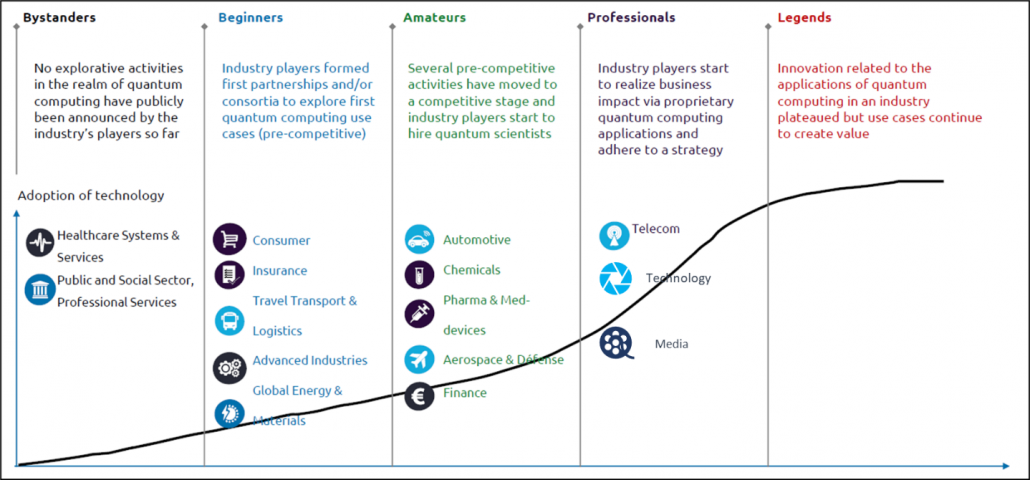
What impact will quantum computing have in the next decade?

Understanding Quantum Computing Quantum computing represents a revolutionary approach to processing information, harnessing the unique principles of quantum mechanics to perform calculations far beyond the reach of classical computers. Unlike traditional systems that operate on binary bits-either 0 or 1-quantum computers utilize quantum bits, or qubits, which can exist in multiple states simultaneously due to […]

Read More →

In which state or states is matter compressible?

Definition of Compressibility in Matter Compressibility is a physical property that describes how much a substance’s volume decreases when subjected to pressure. It reflects the ability of matter to be compacted or squeezed, which varies significantly depending on the state of matter-solid, liquid, or gas. This characteristic is fundamental in understanding how materials respond to […]

Read More →

Why does a nuclear reactor glow blue?

Definition of Cherenkov Radiation Cherenkov radiation is a distinctive blue glow emitted when charged particles, such as electrons, travel through a transparent medium at speeds exceeding the phase velocity of light in that medium. This phenomenon is commonly observed in nuclear reactors and is a direct consequence of the interaction between high-energy particles and the […]

Read More →

What are the applications of quantum machine learning?

Definition of Quantum Machine Learning Quantum machine learning (QML) is an interdisciplinary field that merges the principles of quantum mechanics with machine learning techniques. This fusion combines the empirical data-driven approaches of classical machine learning with the counterintuitive phenomena of quantum physics, such as superposition and entanglement. By integrating these domains, QML aims to enhance […]

Read More →

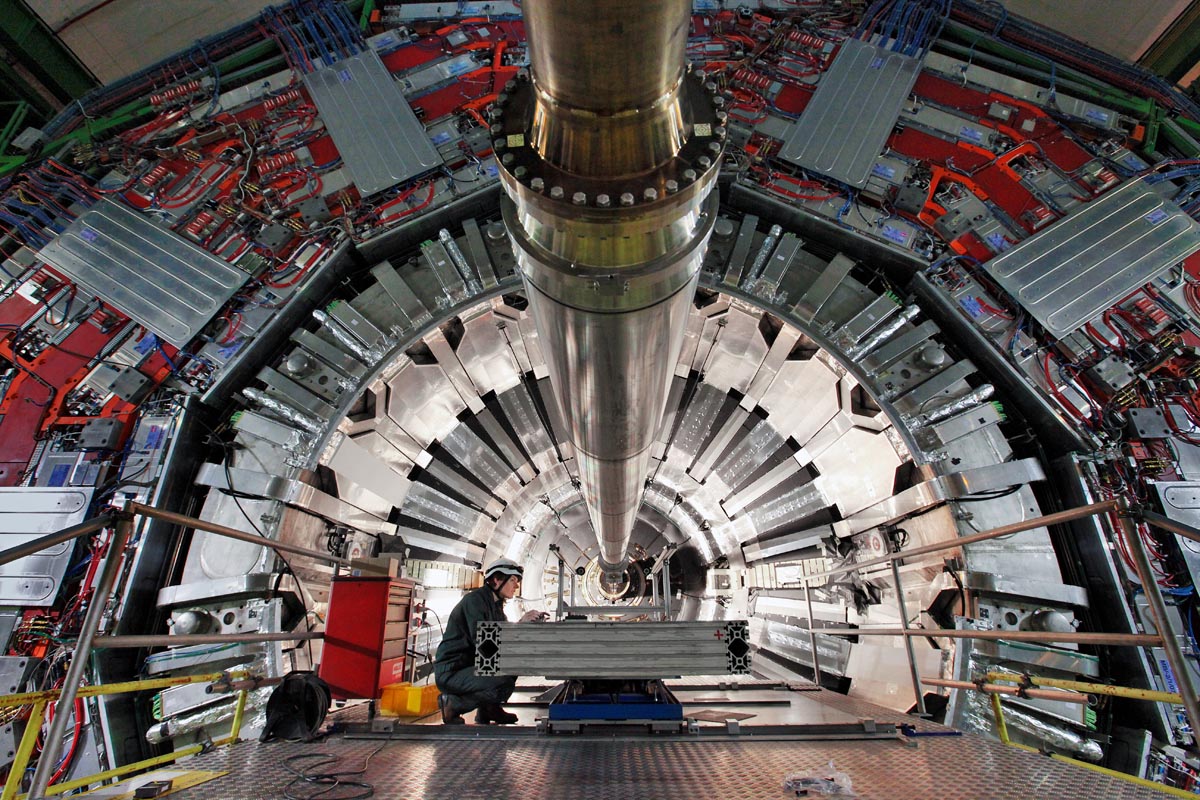
What are some interesting facts about CERN?

Definition and Overview of CERN The European Organization for Nuclear Research, commonly known as CERN, is a premier scientific institution dedicated to advancing our understanding of the universe’s fundamental components. Founded in 1954, CERN’s primary objective is to investigate the basic building blocks of matter through the study of high-energy particle physics. It serves as […]

Read More →