
Short Answer
Definition of Radiology
Radiology is a specialized branch of medicine that combines both scientific principles and artistic interpretation to produce medical images. It serves as a critical interface between clinical healthcare and advanced technological tools, enabling healthcare professionals to visualize internal body structures and functions. This discipline plays a fundamental role in diagnosing, managing, and treating a wide array of medical conditions by utilizing various imaging techniques.
Core Functions and Clinical Role
At its essence, radiology is much more than a technical field dominated by machines and imaging devices. It is deeply embedded in clinical practice, contributing directly to patient care and medical decision-making. Radiologists act as medical detectives, employing imaging modalities such as X-rays, computed tomography (CT), magnetic resonance imaging (MRI), and ultrasound to detect abnormalities that are not visible through physical examination alone. These images reveal critical information, such as fractures, tumors, or organ dysfunctions, which are essential for accurate diagnosis and treatment planning.
Diagnostic Expertise
Interpreting medical images demands a profound understanding of human anatomy and pathology. Radiologists do not merely identify visible anomalies; they also analyze these findings in the context of the patient’s clinical history and symptoms. This comprehensive approach allows them to suggest differential diagnoses and collaborate with other healthcare professionals to develop personalized treatment strategies.
Collaborative Patient Care
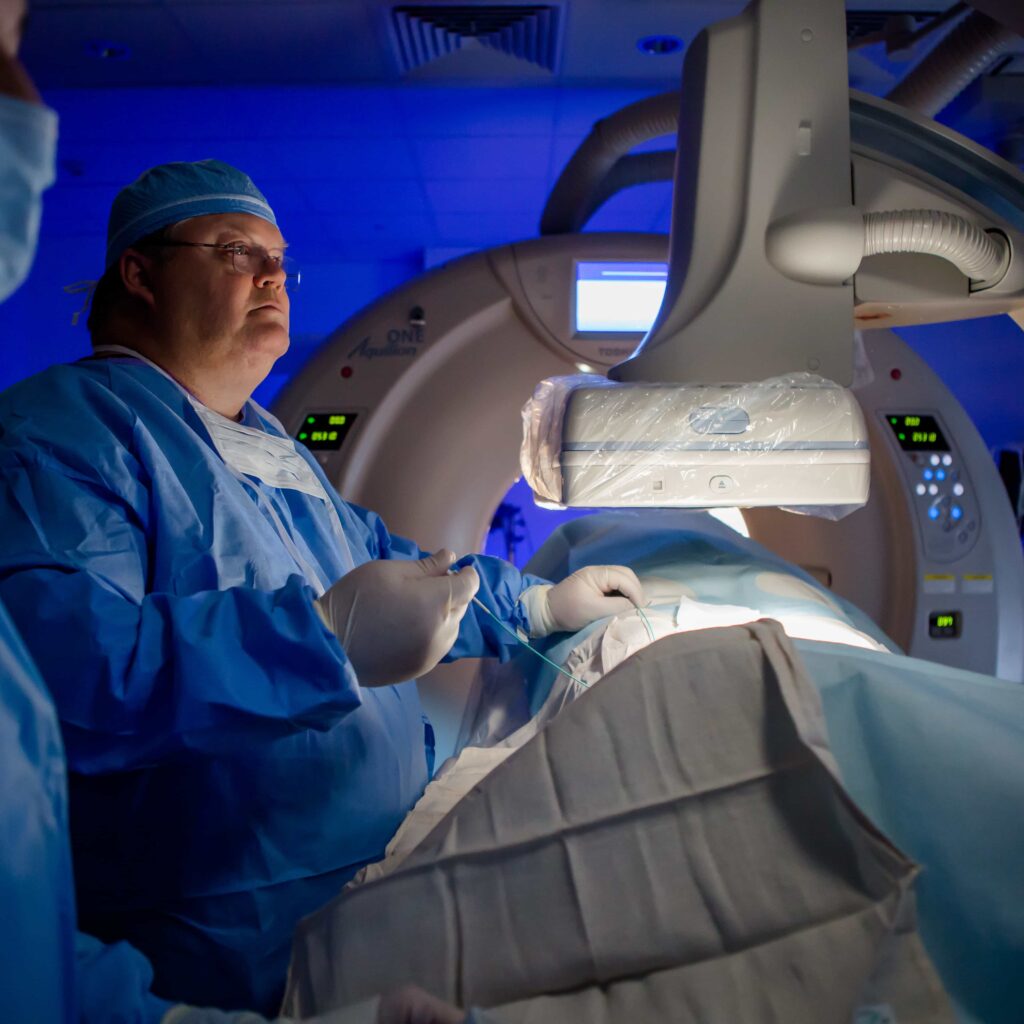
Radiology functions as a vital link connecting various medical specialties. Surgeons depend on imaging for preoperative planning, while oncologists use radiological assessments to monitor treatment responses. The emergence of interventional radiology further exemplifies this clinical integration by enabling minimally invasive procedures guided by real-time imaging, such as biopsies and vascular embolizations, which improve patient outcomes and reduce recovery times.
Educational Pathway and Clinical Training
Becoming a radiologist requires extensive medical education and clinical training. After completing medical school, candidates enter rigorous residency programs that immerse them in both the technical and clinical aspects of radiology. This training emphasizes not only image interpretation but also understanding the therapeutic implications of radiological findings, fostering a holistic view of patient care.
Technological Advancements and Clinical Judgment
The rapid advancement of technology, including the integration of artificial intelligence (AI), is transforming radiology. AI tools assist radiologists by enhancing image analysis and diagnostic accuracy. However, the ultimate clinical decisions rely on the radiologist’s expertise and judgment, underscoring the irreplaceable human element in patient care. This synergy between technology and clinical insight defines the evolving nature of radiology as a clinical discipline.
Ethical Considerations in Radiology
Radiologists handle sensitive patient information and must navigate ethical challenges related to patient consent, confidentiality, and the impact of their diagnostic findings. These responsibilities highlight the moral dimension of radiology, reinforcing its identity as a clinical field that prioritizes patient welfare alongside technological proficiency.
Why Radiology Is a Clinical Discipline
- Diagnostic Importance:
Radiology provides essential insights that guide diagnosis and treatment, making it integral to clinical decision-making. - Interdisciplinary Collaboration:
Radiologists work closely with other medical specialists to develop comprehensive care plans. - Clinical Training:
The extensive medical education and residency programs emphasize clinical knowledge and patient interaction. - Technological Integration:
While technology is central, clinical judgment remains paramount in interpreting results and guiding care. - Ethical Responsibility:
Radiologists uphold patient confidentiality and consent, reflecting the ethical standards of clinical medicine.
Conclusion
In summary, radiology transcends its technological foundation to embody a fully clinical medical specialty. Its diagnostic capabilities, collaborative nature, rigorous training, and ethical obligations firmly establish it within the clinical realm. As innovations continue to advance, radiology’s role in patient care will deepen, further bridging the gap between cutting-edge imaging technology and compassionate clinical practice.
FAQ
What role do radiologists play in patient care?
Radiologists interpret medical images to guide diagnosis and collaborate with other healthcare professionals in treatment planning.
How has technology impacted radiology?
Advancements in technology, including AI, enhance image analysis and diagnostic accuracy while maintaining the importance of clinical judgment.




Leave a Reply