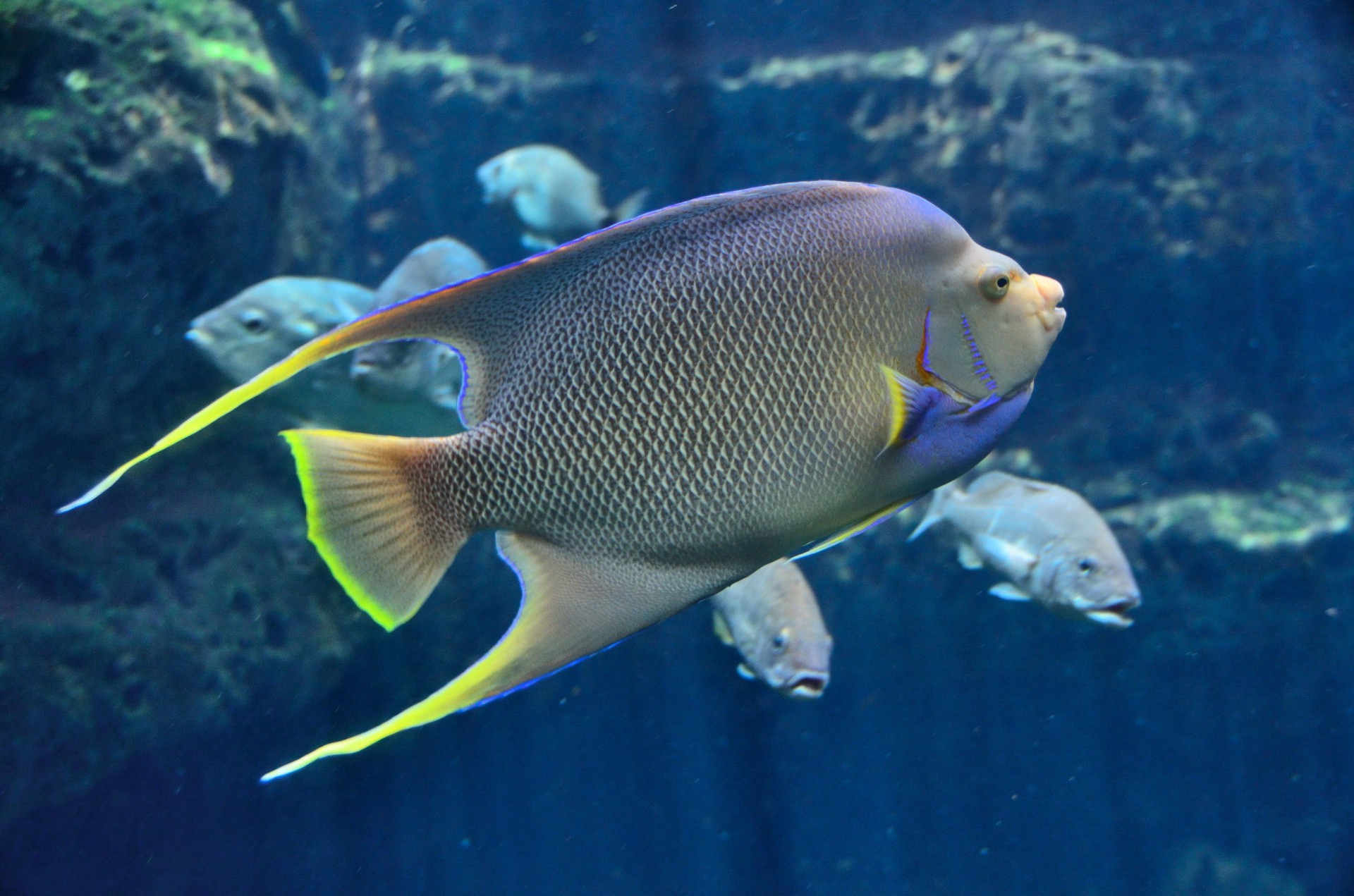
Recent explorations into the dynamics of marine ecosystems have yielded a rather unexpected revelation: fishplay a pivotal role in modulating oceanic currents and the overall hydrodynamics of aquatic environments. This phenomenon, which can be described as “fish stirring the oceans,” unveils the intricate interplay between biotic and abiotic facets of marine ecology. Through a systematic investigation of various fish species and their influence on oceanic patterns, a more nuanced appreciation of aquatic stratification emerges, amplifying our comprehension of ecological interdependencies and environmental stewardship.
The concept of fish stirring the oceans conjures the image of these creatures as mere inhabitants of the aquatic realm; however, a deeper inquiry elucidates their functional contributions to marine dynamics. Pelagic species, including tunas and mackerels, display remarkable migratory behavior across vast oceanic expanses. Their incessant movement serves not only to fulfill metabolic requirements but also to instigate localized turbulence within the water column. This turbulence, in turn, promotes the vertical transport of nutrients and influences the distribution of planktonic organisms, thereby facilitating a richer tapestry of life in the pelagic zone.
In a biome comprised of diverse ecosystems, the actions of fish can have far-reaching implications. For instance, some species exhibit a behavior known as “foraging,” a process where they disturb substrates, releasing sediments and nutrients into the water column. The crepuscular feeding patterns of such species can significantly alter the physicochemical properties of their immediate environments. This sediment re-suspension not only creates niches for various marine microorganisms but also amplifies primary productivity, thus sustaining extensive food webs that underpin oceanic biodiversity.
The mechanics through which fish influence ocean currents can also be observed during spawning aggregations. The collective movements during these critical reproductive events engender significant hydrodynamic phenomena. Such aggregations often lead to the alteration of flow patterns, causing localized eddies that can enhance nutrient availability in surrounding areas. The resultant increase in productivity can attract a multitude of other marine species, illustrating the synergy inherent in these biological processes. Consequently, the health of fish populations is intrinsically linked to the vitality of marine ecosystems, indicating a delicate balance maintained through their collective activities.
The scope of this phenomenon extends to other taxonomic groups as well. For instance, the behavior of reef-building corals is closely intertwined with the activities of various fishes. Herbivorous fish species such as parrotfish and surgeonfish play a critical role in maintaining coral reef health by grazing on algae. This grazing activity is paramount in preventing algal overgrowth, which can smother corals and hinder their growth. Thus, the interdependence between fish and corals exemplifies how the stirring actions of one group can have cascading effects throughout the ecosystem.
Research utilizing advanced modeling techniques has also shed light on the magnitude of these interactions. By incorporating fish movement data into computational fluid dynamics simulations, scientists can predict alterations in water flow patterns resulting from varying densities of fish populations. These models illuminate the potential impacts of overfishing and climate change on ocean circulation and ecosystem health, emphasizing the necessity for sustainable fisheries management practices. The insights gleaned from such studies advocate for a paradigm shift in wildlife conservation, where understanding the integral roles of species—particularly fish—as ecosystem engineers is paramount.
Moreover, the implications of fish stirring the oceans extend beyond ecological calculations; they possess significant ramifications for human navigation and maritime activities. As large fish schooling phenomena generate identifiable patterns in surface currents, fishermen and navigators can leverage these insights for more efficient operations. However, this symbiosis can become problematic when overexploitation disrupts the delicate balance of these systems, leading to diminished fish populations and resulting perturbations in marine flow patterns.
The resonance of these findings touches upon broader environmental narratives; oceanic turbulence and nutrient cycling interconnect with global issues such as climate change and ocean deoxygenation. As fish populations decline due to anthropogenic pressures, the resultant decrease in their stirring capabilities may trigger a cascade of detrimental effects, from altered ocean currents to diminished marine productivity. This scenario underscores the vital urgency to advocate for sustainable marine practices that account for the complex interactions shaping our ocean ecosystems.
Ultimately, the discourse surrounding fish stirring the oceans represents a burgeoning field of study that invites interdisciplinary collaboration. Marine biologists, ecologists, oceanographers, and conservationists must converge to unravel the multifaceted elements of this phenomenon. Through a concerted effort to comprehend the integral roles of fish within marine environments, society can better appreciate the oceans’ complexities and be motivated to undertake significant actions toward conservation and preservation. This holistic approach not only augments scientific knowledge but also fosters a profound respect for the intricate interconnectedness of life in our oceans.
In summation, the role of fish in stirring the oceans unveils an astonishing realm of possibilities that stretches our understanding of marine ecosystems. By recognizing their influence on hydrodynamics, nutrient cycling, and ecological balance, one gains insight into the critical importance of preserving these aquatic sentinels. As custodians of our planet’s marine resources, it is imperative to protect these species to ensure the continued health of oceanic ecosystems and the myriad of life forms that depend upon them.