
Short Answer
Definition
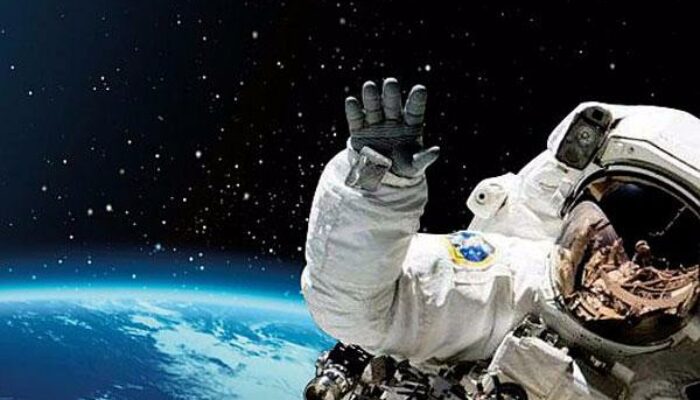
Human evolution refers to the gradual biological and cultural changes that have shaped Homo sapiens over millennia. As humanity embarks on space exploration and contemplates colonizing extraterrestrial environments, this evolutionary process may enter a new phase influenced by the unique conditions beyond Earth. This article examines how space travel and settlement could drive significant transformations in human physiology, genetics, society, and technology.
Biological Impacts of Space Environments
Space presents a radically different habitat compared to Earth, imposing distinct physiological challenges on humans. The absence of gravity, exposure to cosmic radiation, and reliance on closed ecological systems create stressors that affect bodily functions and structures.
- Microgravity Effects:
Astronauts experience muscle weakening, bone density reduction, and cardiovascular changes during short-term missions. Over many generations, these conditions might lead to evolutionary adaptations such as lighter skeletal frameworks or enhanced circulatory systems optimized for low-gravity environments. - Radiation Exposure:
Beyond Earth’s magnetic shield, cosmic radiation levels increase dramatically, causing DNA damage and mutations. While many mutations are harmful, natural selection could favor genetic traits that improve resistance to radiation, potentially resulting in descendants with advanced cellular repair mechanisms or novel protective compounds.
Genetic Evolution in Extraterrestrial Colonies
The establishment of human settlements on planets like Mars introduces genetic dynamics distinct from Earth-bound populations. Isolation, limited initial gene pools, and environmental pressures can drive genetic divergence.
- Founder Effects and Genetic Drift:
Small groups of colonists may carry only a subset of Earth’s genetic diversity. Over centuries, this can lead to the emergence of genetically distinct subpopulations adapted to their new habitats. - Directed Genetic Modification:
Advances in gene editing and assisted reproduction could enable preemptive enhancements, such as increased bone strength or improved vision, tailored for space conditions. This intentional intervention shifts evolution from a natural process to a partially engineered one, raising ethical considerations about human identity.
Cultural and Societal Transformations in Space
Living in confined, artificial environments or on barren planets will necessitate new social frameworks and cultural adaptations.
- Social Structures and Norms:
Survival in isolated, extreme settings will depend on psychological resilience and cooperative behavior, potentially fostering unique social dynamics and cultural practices distinct from Earth. - Communication and Governance:
Delays in interplanetary communication and physical separation may require decentralized governance and autonomous decision-making, encouraging political and social diversification. - Language and Identity:
Over time, space communities might develop distinct dialects and cultural identities, further differentiating them from terrestrial populations.
Technological Influence on Human Adaptation
Technology plays a dual role as both a facilitator and a selective force in human evolution beyond Earth.
- Life Support and Habitat Systems:
Advanced technologies enable survival in hostile environments but may also reduce natural human capabilities, creating new evolutionary trade-offs similar to those seen in isolated Earth populations. - Bioengineering and Synthetic Biology:
The integration of genetic engineering, cyborg technologies, and artificial intelligence could lead to post-human forms, blending biology with technology and expanding evolutionary possibilities.
Psychosocial Adaptations to Space Living
The unique sensory and psychological environment of space may influence human cognition and emotional development over generations.
- Sensory Deprivation and Novel Stimuli:
The lack of Earth’s natural stimuli and exposure to vast cosmic vistas could drive neurological changes, potentially resulting in altered consciousness or new cognitive frameworks. - Emotional and Social Resilience:
Coping with isolation and extreme conditions may select for traits that enhance mental health and social cooperation in space communities.
Ethical and Philosophical Considerations
The prospect of space-driven human evolution raises profound questions about the future of humanity and our responsibilities.
- Decision-Making Authority:
Determining who guides genetic and societal changes in space challenges existing ethical frameworks. - Human Dignity and Identity:
The modification of human biology prompts reflection on what it means to be human. - Extraterrestrial Stewardship:
Considerations about the impact on alien ecosystems and the moral status of genetically altered descendants are essential.
Why Space-Driven Evolution Is Significant
The expansion of humanity into space represents a transformative chapter in our evolutionary story. Biological adaptations to new environments, genetic diversification, cultural innovation, and technological integration collectively have the potential to redefine human existence. This cosmic journey not only broadens our horizons but also challenges us to rethink the essence of humanity and our place in the universe.
FAQ
How could space exploration affect human evolution?
Space exploration may lead to biological adaptations, genetic diversification, and cultural changes as humans adapt to new environments.
What are the potential genetic changes related to living in space?
Living in space may cause genetic divergence due to limited gene pools and environmental pressures, possibly leading to new traits.





Leave a Reply