
Short Answer
Understanding Galaxy Surveys
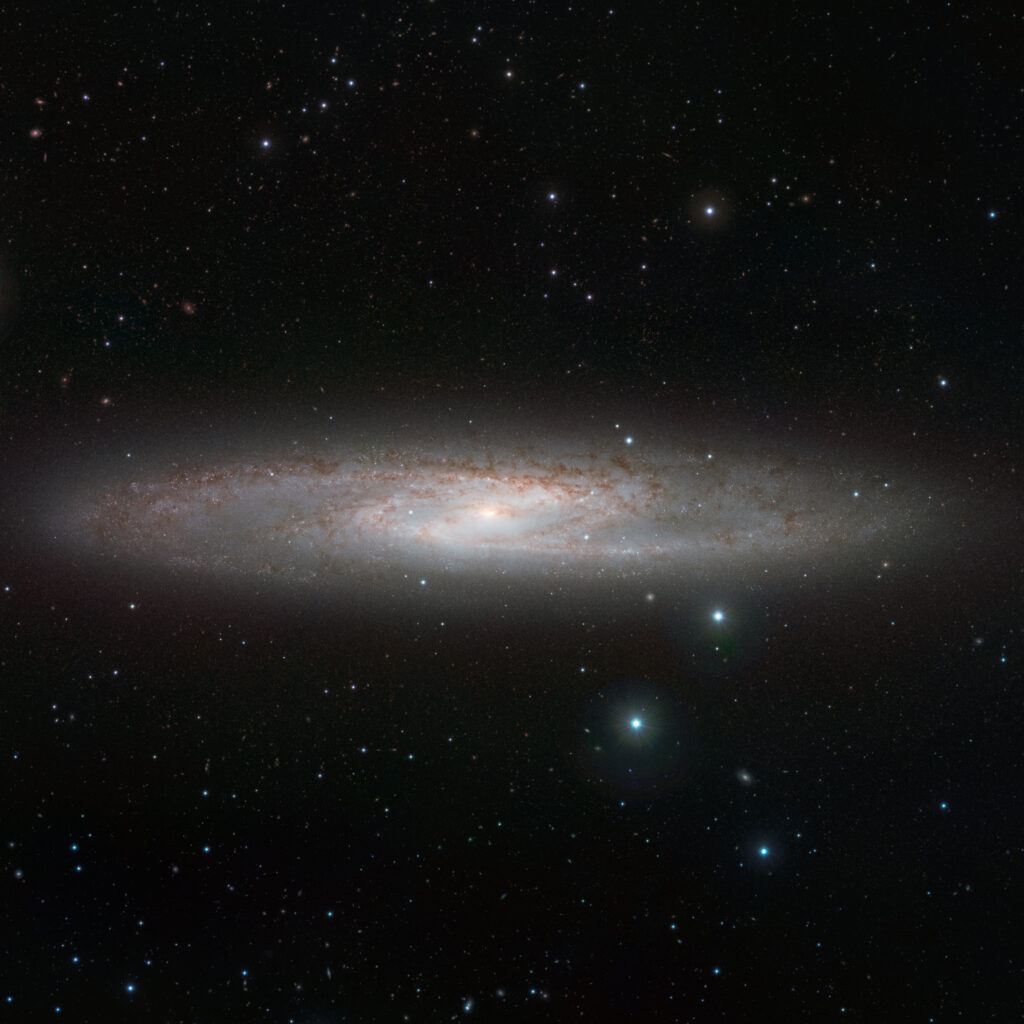
Galaxy surveys are comprehensive scientific endeavors designed to systematically catalog and analyze the vast array of galaxies scattered throughout the universe. These surveys aim to map the large-scale structure of the cosmos, revealing the distribution, composition, and dynamic behavior of galaxies. By collecting extensive observational data, researchers strive to deepen our understanding of galactic evolution and the cosmic web that interconnects these celestial bodies.
Purpose and Scope of Major Galaxy Surveys
Recent large-scale projects, such as the One Degree Field Galaxy Redshift Survey (2dFGRS) and the Cosmic Evolution Survey (COSMOS), have been pivotal in advancing our knowledge of the universe’s architecture. These initiatives employ sophisticated telescopes and instruments to gather photometric and spectroscopic data, enabling scientists to trace the positions and velocities of millions of galaxies. The ultimate goal is to construct a coherent model of how galaxies form, cluster, and evolve over cosmic time.
Challenges and Unexpected Findings
Despite the ambitious scope and technological sophistication of these surveys, the results have unveiled perplexing inconsistencies. A significant issue arises from the mismatch between observed galactic luminosities and the gravitational effects predicted by existing theoretical frameworks. This discrepancy suggests that galaxies appear less massive than expected based on their visible light, implying the presence of unseen matter or forces at play.
Dark Matter and Its Role in Galactic Structure
Central to these investigations is the concept of dark matter, an invisible form of matter thought to constitute a substantial portion of the universe’s total mass. Dark matter is believed to exert gravitational influence, binding galaxies into clusters and shaping the large-scale structure of the cosmos. However, the gap between observed luminous matter and gravitational effects indicates that much of this mass remains undetectable through conventional electromagnetic observations.
- Dark Matter Distribution:
Galaxies tend to form in clusters held together by gravity, but the visible matter alone cannot account for the observed gravitational forces. - Invisible Mass:
The discrepancy between brightness and gravitational pull suggests a “hidden” mass component, often attributed to dark matter.
Reevaluating Gravitational Theories
The inconsistencies in galactic data have prompted some scientists to question whether traditional gravitational models, such as Newtonian gravity and Einstein’s General Relativity, fully capture the complexities of galactic dynamics. Alternative theories propose modifications to gravity that could explain the observed phenomena without invoking dark matter, sparking ongoing debates within the astrophysical community.
The Cold Dark Matter Model and Its Limitations
The prevailing cosmological framework, known as the Cold Dark Matter (CDM) model, posits that dark matter consists of slow-moving particles that influence galaxy formation and clustering. While this model has been successful in explaining many large-scale structures, anomalies persist, particularly regarding the distribution and density of satellite and dwarf galaxies. These smaller galaxies often exhibit properties that diverge from CDM predictions, highlighting gaps in our theoretical understanding.
Impact of Observational Techniques
Galaxy surveys rely heavily on advanced observational tools, including high-resolution telescopes equipped with photometric and spectroscopic instruments. These technologies capture detailed information about the light emitted by galaxies, which is crucial for determining their properties. However, challenges such as systematic errors, unresolved astrophysical phenomena, and observational biases can affect data accuracy and interpretation.
- Systematic Errors:
Instrumental and methodological limitations can introduce inaccuracies in measurements. - Astrophysical Complexities:
Unresolved processes within galaxies may obscure or distort observational data. - Data Biases:
Selection effects and observational constraints can skew survey results.
Limitations of Electromagnetic Observations
Our understanding of the universe is inherently constrained by the electromagnetic spectrum’s observational limits. Much of the universe’s mass, particularly dark matter, does not emit or absorb light, making it invisible to traditional telescopes. This necessitates the use of indirect detection methods, such as gravitational lensing, which exploits the bending of light by massive objects to infer the presence and distribution of dark matter.
Significance of Galaxy Survey Discrepancies
The unresolved tensions between observational data and theoretical models extend beyond cataloging galaxies; they challenge fundamental assumptions about the universe’s composition and behavior. These discrepancies serve as catalysts for scientific progress, encouraging the development of new theories, improved observational techniques, and deeper philosophical reflections on our place in the cosmos.
Philosophical and Scientific Implications
The pursuit of understanding the universe through galaxy surveys is not only a scientific endeavor but also a profound philosophical journey. The anomalies and unanswered questions invite a collective effort from physicists, cosmologists, and enthusiasts alike to explore the unknown. Each survey, whether it clarifies or complicates our cosmic picture, enriches humanity’s quest to reconcile empirical evidence with the vast possibilities that lie beyond current knowledge.
FAQ
What are galaxy surveys?
Galaxy surveys are comprehensive scientific efforts aimed at cataloging and analyzing galaxies to understand the universe's structure and evolution.
How do galaxy surveys contribute to our understanding of dark matter?
They reveal discrepancies between observed properties of galaxies and theoretical predictions, suggesting the presence of dark matter.



Leave a Reply