
Short Answer
Definition of Dissolvable Glass
Dissolvable glass is an advanced biomaterial situated at the crossroads of materials science and biomedical engineering. It is primarily designed to support bone repair by gradually dissolving within the body, thereby facilitating natural healing processes. Unlike conventional surgical materials such as metal implants, dissolvable glass integrates seamlessly with biological tissues, offering a biocompatible and bioactive alternative for orthopedic and regenerative medicine applications.
- Composition:
Mainly composed of silicic acid and various inorganic compounds, this glass is engineered to interact beneficially with the body’s biological environment. - Biodegradability:
It undergoes controlled hydrolysis, breaking down over time to release ions that promote bone regeneration.
Mechanism of Action
Upon implantation, dissolvable glass provides mechanical support to fractured bones while initiating a bioactive process that encourages new bone growth. The material maintains its structural integrity during the early stages of healing, then gradually dissolves through hydrolysis. This dissolution releases silica and other essential ions, which stimulate osteoblast activity-the cells responsible for forming new bone tissue. This bioactive ion release creates an environment conducive to osteogenesis, effectively accelerating the bone repair process.
Physicochemical Properties and Therapeutic Benefits
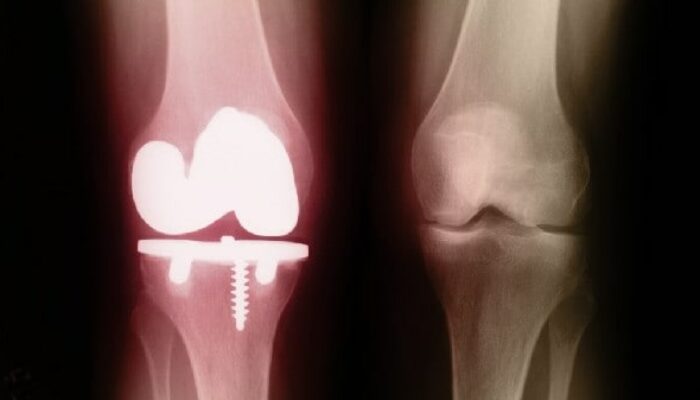
The unique physicochemical characteristics of dissolvable glass underpin its therapeutic potential. It balances mechanical strength with biodegradability, ensuring that it supports the bone during critical healing phases before safely resorbing into the body. This contrasts with traditional metal implants, which remain permanently unless surgically removed and may cause complications such as infection or metallosis.
- Mechanical Support:
Provides necessary stability during initial bone healing. - Bioactive Ion Release:
Promotes cellular proliferation and differentiation essential for bone regeneration. - Biocompatibility:
Minimizes adverse immune responses and integrates naturally with bone tissue.
Comparison with Conventional Fixation Methods
Traditional orthopedic hardware, including titanium and stainless steel pins or screws, often necessitates secondary surgeries for removal and can interfere with natural bone healing. These bioinert materials may sometimes delay recovery or cause complications such as infection or nonunion of fractures. In contrast, dissolvable glass eliminates the need for hardware removal by safely degrading in sync with the bone’s healing timeline, thereby reducing patient risk and improving outcomes.
Research and Clinical Evidence
Extensive preclinical studies have demonstrated the efficacy of dissolvable glass in enhancing bone regeneration. Experimental models reveal accelerated healing rates and superior osteoconductivity, which facilitates the ingrowth of new bone into fracture sites. Radiographic analyses confirm that the material mimics the inorganic matrix of natural bone, both in composition and function, supporting its role as a scaffold for tissue regeneration.
Customization and Engineering of Dissolvable Glass
Researchers are actively exploring ways to tailor the properties of dissolvable glass to meet specific clinical needs. By adjusting its ionic composition, mechanical strength, and dissolution rate, the material can be optimized for diverse patient populations and fracture types.
- Rapid Dissolution:
Suitable for pediatric patients with faster bone healing capabilities. - Slow Dissolution:
Ideal for elderly patients or complex fractures requiring prolonged support.
Challenges and Future Directions
Despite promising advancements, several hurdles remain before dissolvable glass can be widely adopted in clinical practice. Key challenges include achieving the ideal balance between mechanical strength and biodegradation rate, ensuring long-term biocompatibility, and preventing adverse inflammatory responses. Ongoing research and long-term studies are essential to fully understand the safety profile and optimize formulations.
Moreover, the integration of emerging technologies such as 3D printing holds potential to revolutionize the application of dissolvable glass. Customized scaffolds tailored to individual anatomical and biological requirements could enhance treatment precision and efficacy, fostering personalized regenerative therapies.
Broader Implications Beyond Orthopedics
The impact of dissolvable glass extends beyond bone repair. Its principles are influencing other areas of regenerative medicine, including dental applications and tissue engineering. Bioactive glasses are already being utilized in dental care to promote remineralization and manage carious lesions, highlighting the material’s versatility and broad therapeutic potential.
Significance in Modern Medicine
Dissolvable glass represents a transformative shift in the management of bone injuries, moving away from rigid, permanent implants toward dynamic, bioactive materials that support and enhance the body’s natural healing processes. This innovation not only promises improved patient outcomes but also reduces the need for additional surgeries and associated complications, marking a significant advancement in orthopedic science and regenerative medicine.
FAQ
What is dissolvable glass?
Dissolvable glass is a biomaterial designed to support bone repair by gradually dissolving in the body, facilitating natural healing.
How does dissolvable glass promote bone healing?
It provides mechanical support and releases bioactive ions that stimulate bone growth, integrating naturally with biological tissues.
What are the advantages of dissolvable glass over traditional implants?
Dissolvable glass eliminates the need for hardware removal, reduces complications, and integrates with the body’s healing processes.




Leave a Reply