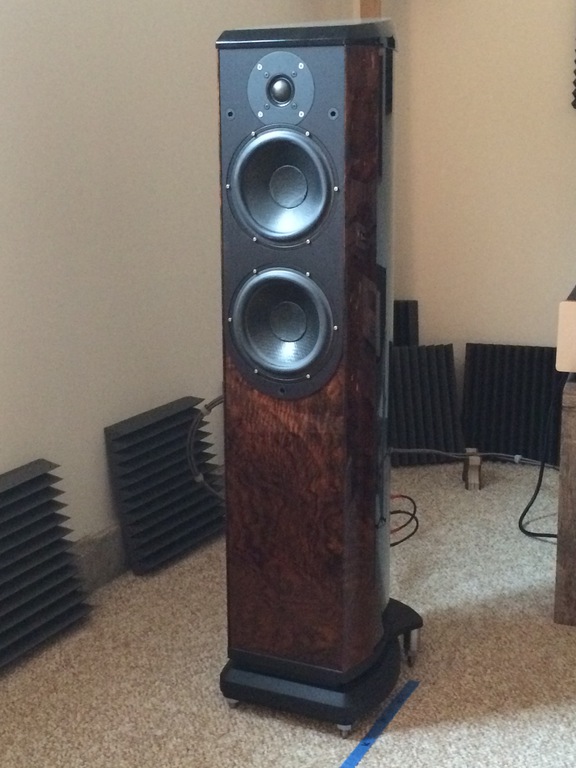
The evolution of audio reproduction technology is an inexorable cerebral voyage that traverses the realms of physics, engineering, and art. Among the most captivating advancements in this continuum is the nexus between fiber materials and speaker technology, heralding a paradigm shift that promises not only enhanced acoustic fidelity but also a robust aesthetic appeal. This intricate interplay of materials science and audio engineering engenders a revolutionary approach to sound reproduction systems, encapsulated in the moniker “all-in-one audio technology.”
To comprehend the significance of this innovation, one must first appreciate the fundamental principles of acoustics and material properties. Sound waves are, at their core, mechanical vibrations propagating through media. The efficacy with which a medium can transmit these vibrations is heavily contingent upon its physical characteristics, such as density, elasticity, and tensile strength. In the quest to enhance speaker performance, engineers have meticulously researched and selected materials that not only facilitate superior sound propagation but also resonate aesthetically with contemporary design paradigms.
Carbon fiber, a material comprised of extremely thin fibers, stands as a prime candidate in this exploration. Notably lauded for its low density and high tensile strength, carbon fiber compounds are revolutionizing speaker construction by allowing for enclosures and driver diaphragms that are both lightweight and robust. Moreover, the intrinsic properties of carbon fiber facilitate a non-linear response to sound waves, thereby minimizing distortion and delivering a more accurate reproduction of the original audio signal. The ‘burl finish’ mentioned in connection with certain high-end speakers emphasizes not merely aesthetic consideration but also an engineering decision rooted in enhancing performance through material selection.
Engineered enclosures, or cabinets, are equally crucial in optimizing the acoustic environment in which the speaker operates. Traditional wooden enclosures have long been favored due to their favorable acoustic properties; however, the adoption of composite materials such as carbon fiber introduces opportunities for nuanced design possibilities. This divergence allows for designs that circumvent the limitations inherent to conventional materials, fostering innovative structural geometries that mitigate resonance artifacts while promoting sound diffusion. The design of an enclosure becomes integral to its functionality, as it directly influences how sound waves interact with their environment.
Furthermore, an essential aspect of speaker technology relates to the integration of technology that enhances user experience. Many modern audio systems embrace wireless connectivity and smart functionalities, rendering the traditional speaker setup obsolete. By embedding advanced digital processing units within speaker enclosures made from composite materials, manufacturers can design systems with sophisticated equalization, spatial audio processing, and active noise cancellation, which would have been prohibitively complex in earlier generations of audio equipment. The seamless amalgamation of carbon fiber and integrated audio technology exemplifies a progressive vision for sound reproduction.
As the spheres of design and technology converge, the concept of ‘all-in-one’ audio solutions becomes increasingly salient. The ease of use, portability, and performance of these systems stand in stark contrast to the cumbersome configurations of traditional audio setups. Consumers are increasingly opting for multi-functional devices that facilitate high-quality audio experiences without the necessity for extensive audio knowledge or complex configurations. This democratization of audio technology prompts a reevaluation of how consumers engage with sound, challenging long-standing traditions and setting the stage for broader accessibility to high-fidelity audio.
However, with these advancements come inherent challenges. The democratization and integration of complex materials can lead to increased production costs. Consumer price sensitivity could deter widespread adoption of high-end speaker systems, even if their performance metrics are demonstrably superior. Additionally, as engineering and design evolve, the sustainability of production processes must also be accounted for. The introduction of biodegradable or recyclable materials alongside high-performance composites is a burgeoning area of research that could potentially mitigate the environmental impacts that accompany modern manufacturing practices.
Importantly, the auditory experience is profoundly subjective, shaped by individual preferences, acoustic environments, and cultural contexts. The application of carbon fiber in speaker technology nurtures an entire ecosystem of audial appreciation that transcends mere sound quality. The tangible textures and visual aesthetics of carbon fiber-wrapped enclosures prompt a sensory engagement that invites users into a holistic sound experience. This phenomenon underlines the convergence of functionality and artistry—a hallmark of contemporary design philosophy.
In summation, the transition from conventional materials to advanced fibers in speaker technology encapsulates a convergence of innovation, utility, and artistry. As engineers and designers continue to harness the unique properties of carbon fiber and integrated digital technologies, the promise of all-in-one audio devices becomes increasingly tangible. This trend not only enhances audio fidelity and user experience but also challenges preconceived notions of design in the realm of sound reproduction.
Ultimately, the future of speaker technology lies at the intersection of performance, style, and sustainability. As this field continues to evolve, one can only speculate on the breadth of possibilities that await as we embark on this audial journey, seamlessly blending the visceral and the ethereal into a single cohesive experience.