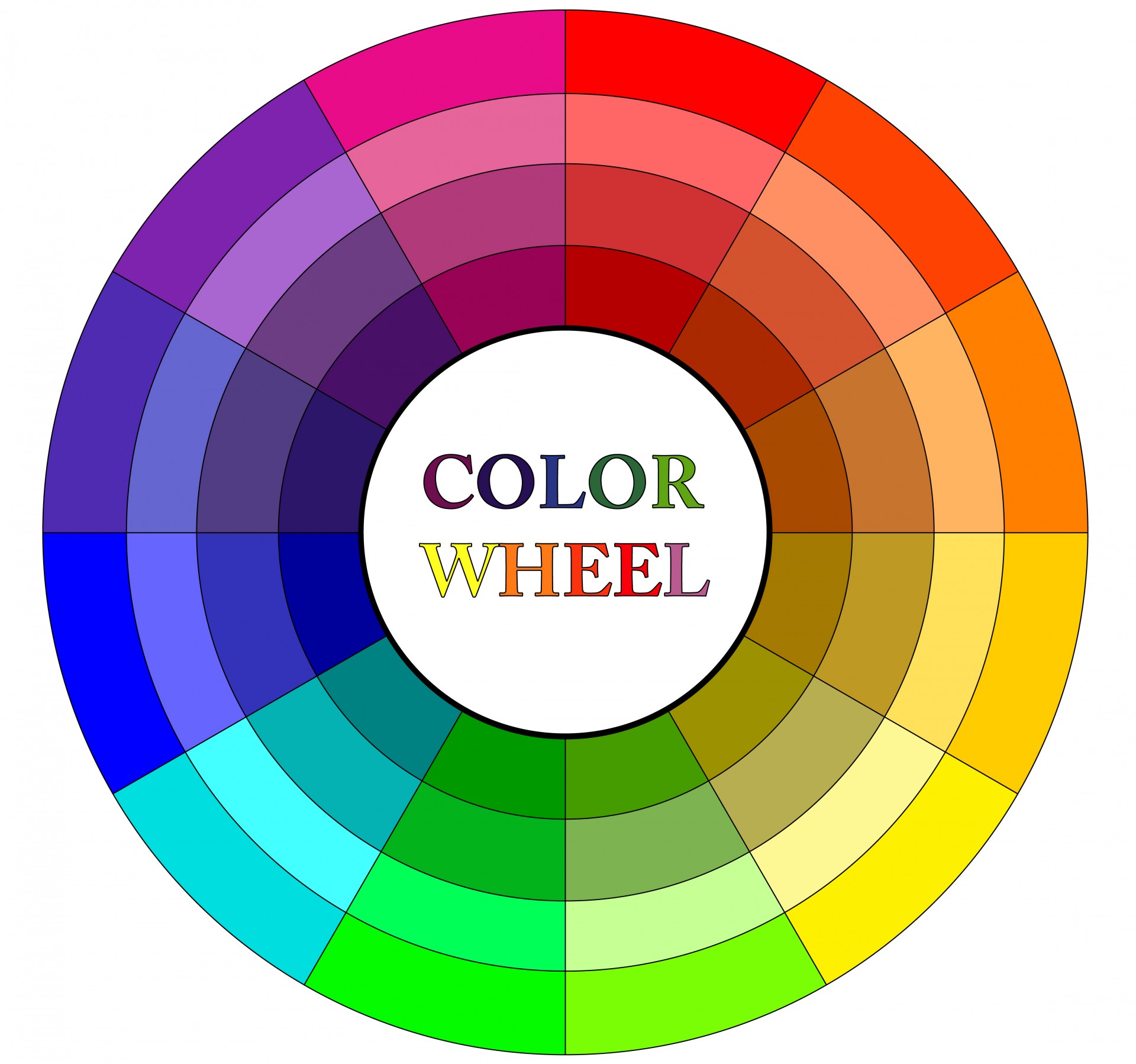
The advent of display technology has ushered in a myriad of innovations that continually redefine how visual information is conveyed. Among these innovations, the Fano switch has emerged as a paradigm shift in color control systems, offering enhanced capabilities in the manipulation of color, contrast, and vibrancy in digital displays. This article delineates the functionality and significance of the Fano switch, juxtaposing it with traditional display technologies, and elucidates the multidisciplinary implications spanning various sectors.
At the core of the Fano switch’s functionality lies its ability to dynamically modulate the photon density in a controlled manner. This quantum-optical device exploits principles of photonic states which enables precise adjustments in the color output of displays. Unlike conventional methods, which often rely on the additive color mixing of primary colors to achieve desired hues, the Fano switch operates through the interference of light waves. This interference yields a broader and more nuanced spectrum of colors, sharply enhancing the fidelity of color representation.
One of the most salient features of the Fano switch is its efficacy in minimizing color distortion. Traditional display technologies, including LCD and OLED screens, often grapple with color inaccuracies due to variances in manufacturing and environmental factors. The Fano switch circumvents these issues by employing a feedback mechanism that continuously adjusts the emitted color based on real-time sensory input. This leads to remarkable consistency in color portrayal, which is particularly crucial in applications demanding high precision, such as medical imaging and digital art.
The implications of the Fano switch extend beyond mere color accuracy. In sectors such as entertainment and gaming, the enhanced color control it affords can significantly enrich user experience. With the ability to generate vibrant and immersive color palettes, game developers can create more lifelike environments that engage players on a sensory level previously thought unattainable. The emotional resonance of color—its capacity to convey mood and atmosphere—is amplified, making interactive narratives more compelling.
Furthermore, the incorporation of the Fano switch into virtual reality (VR) environments merits particular attention. In VR applications, color accuracy is paramount to the realism of the immersive experience. The Fano switch enables the generation of an expanse of colors that closely mimic the complexities of natural light. Consequently, this enhances the illusion of presence, fostering deeper emotional connections between users and virtual spaces.
Additionally, the implications of the Fano switch reach into the realms of design and advertising. In marketing, the psychological impact of color cannot be overstated; it plays a pivotal role in consumer behavior and brand perception. The precise color control afforded by the Fano switch allows marketers to tailor advertisements that resonate more deeply with their target demographics. By utilizing this technology, brands can achieve a more powerful visual impact, thus optimizing their communication strategies and potentially enhancing consumer engagement.
In the context of educational technology, the Fano switch also holds transformative potential. Educational tools that incorporate enriched color display can facilitate improved learning experiences. For example, intricate color coding in educational software aids in comprehension and retention. By deploying the Fano switch in classroom technologies, educators can create visually stimulating materials that cater to diverse learning styles, leading to enhanced educational outcomes.
However, with every technological advancement comes the need for critical examination of its sustainability and ecological footprint. While the Fano switch promotes superior color accuracy and energy efficiency, the production processes associated with such advanced technologies must also be scrutinized. Responsible innovation necessitates that manufacturers devise ways to mitigate any environmental impacts during the lifecycle of these devices.
In conjunction with this pursuit, interdisciplinary collaboration is imperative. Engineers, designers, and environmental scientists must unite to develop strategies that harness the potential of the Fano switch while adhering to environmentally sustainable practices. Such collaborations could yield technologies that not only revolutionize color control but also enhance the overall sustainability of the display industry.
Looking toward the future, it is evident that the Fano switch represents just the beginning of the potential transformations in display technologies. Ongoing research into photonic manipulation and quantum optics will likely yield further advancements that expand upon the foundational principles of the Fano switch. This forward momentum could eventually lead to displays that exceed human visual limitations, possibly giving rise to new methods of visual communication and interaction.
In conclusion, the Fano switch epitomizes a significant leap forward in color control technologies that can profoundly affect various domains, from entertainment to education and beyond. Its capacity to enhance color accuracy while minimizing distortions signifies a crucial advancement that paves the way for deeper interaction with visual media. As this technology continues to evolve, its integration into everyday devices will likely transform how society perceives and interacts with color in our digital environments. Balancing this innovation with sustainability practices will be paramount to ensuring a future where technology serves both human and environmental needs harmoniously.