In an era dominated by digital communication, the cryptographic arts have taken on a new and intricate dimension. As traditional methods of safeguarding information have gradually succumbed to the ephemeral nature of cyberspace, a counter-movement has emerged — one that echoes the ancients in its reverence for secrecy and concealment. In this exploration, we embark on a compelling journey into the subterranean realms of cryptography, where both necessity and ingenuity intersect beneath the surface of our everyday lives.
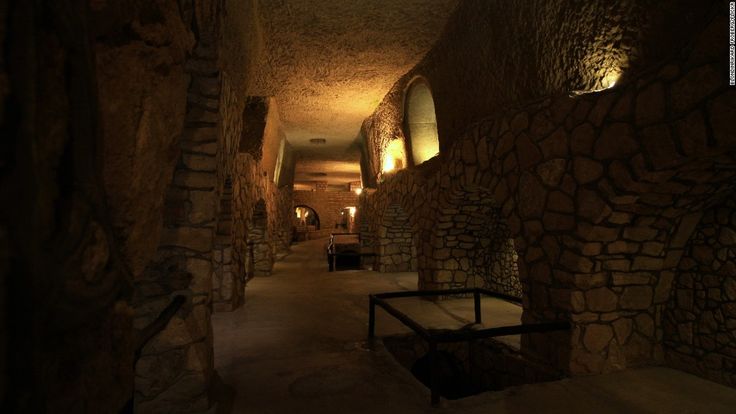
The allure of the underground is timeless. Just as ancient civilizations created elaborate tunnels and catacombs to craft hidden narratives of existence, contemporary cryptography has sought refuge in similar depths. Beneath the concrete cavalcade of cityscapes, where conspiracies and whispers converge, cryptographic measures have adopted a paradoxical stance — while aiming for transparency, they revel in obscurity. This modern duality reflects a profound philosophical proposition: the more visible our digital interactions become, the more essential it is to safeguard them in cryptographic vaults, shrouded from prying eyes.
At the heart of this subterranean world lies the concept of camouflaged algorithms. These sophisticated computations function much like the Timothy of yore, embedding vital information within layers of complexity. Transformation and obfuscation become not merely mathematical exercises but philosophical inquiries into the nature of knowledge and power. Just as a masterful artisan conceals their finest creations from the untrained eye, so too does the cryptographer deter unwanted access with a series of esoteric transformations.
One cannot appreciate the depth of underground cryptography without delving into its historical underpinnings. The early practitioners of cryptographic art resided not just in crypts but often found reprieve in the labyrinthine passages of castles and fortifications. Secret messages exchanged between monarchs and their spymasters traversed subterranean networks, igniting flames of intrigue and treachery. These classical embodiments serve as the progenitors of today’s encryption standards, which utilize the stratagems of their predecessors while innovating techniques that defy resolution.
Consider the rise of quantum cryptography, an avant-garde counterpart that offers untold potential for secure communication. The quantum realm, elusive and beguiling, operates on principles so bizarre that they have upended conventional paradigms. In this domain, information is imbued with a duality that eludes the grasp of classical reasoning. Quantum key distribution, a technique harnessed from this enigmatic landscape, epitomizes the notion of “entanglement” — a manifestation of a connection that persists beyond spatial separations. Underground cryptographic practices now leverage this phenomenon, potentially securing communications in an age where digital sanctity is ever more tenuous.
Moreover, subterranean innovations are not limited to theoretical musings; they manifest tangibly in data centers and server farms, often situated in remote locales or buried deep within mountains. Such designs echo the storied tradition of placing sensitive information below the earth’s surface. The choice of location is not merely one of convenience but rather a strategic endeavour to obfuscate and fortify — safeguarding against both natural calamities and human interlopers. Away from the glaring light of scrutiny, these vaults operate as guardians of the digital age.
Yet, within this subterranean landscape, the quest for security sows the seeds of a paradox. Increasing reliance on sophisticated cryptographic techniques has precipitated a surreptitious arms race among actors ranging from informed individuals to organized crime syndicates. The development of advanced decryption methods threatens to undermine the stringent protections afforded by cryptography. Just as the catacombs once concealed both the living and the secrets of the deceased, so too do underground cryptographic strategies harbor larger dilemmas related to privacy, ethics, and governance. Philosophical inquiry emerges here anew, challenging our fundamental understanding of safety in an interconnected age.
Intriguingly, these subterranean cryptographic processes evoke metaphors of exploration and adventure. The act of deciphering hidden codes invites comparisons to navigating uncharted territories. To discern the meaning encased in cryptographic constructs mirrors the quest for meaning itself, often distorted or obscured by ambiguity. Each layer painstakingly peeled back reveals not merely a hidden message but also a profoundly human yearning for connection and comprehension.
The appeal of subterranean cryptography extends beyond sheer security; it speaks to our collective narrative. In the interplay of secrecy and revelation, each encrypted message resonates with an innate sense of adventure. The thrill of traversing pathways paved with enigmas reflects a deeper truth about the human condition — our relentless pursuit of understanding and the unyielding desire to forge bonds, be they between individuals or ideologies. Cryptography, therefore, acquires a poetic dimension, where each algorithm embodies the tensions of trust, uncertainty, and transformation.
In conclusion, the movement of cryptography underground represents a multifaceted journey through innovation, cultural history, and human intellect. It compels us to rethink our assumptions regarding knowledge and security, illuminating the intricate dance between light and shadow. As we delve deeper into this subterranean expanse, we unearth not only the secrets entwined within cryptographic code but also the fundamental intricacies of communication itself. With each revelation, we are reminded that in the depths of concealment lies an inescapable quest for clarity and understanding, an odyssey that transcends the confines of time and space.