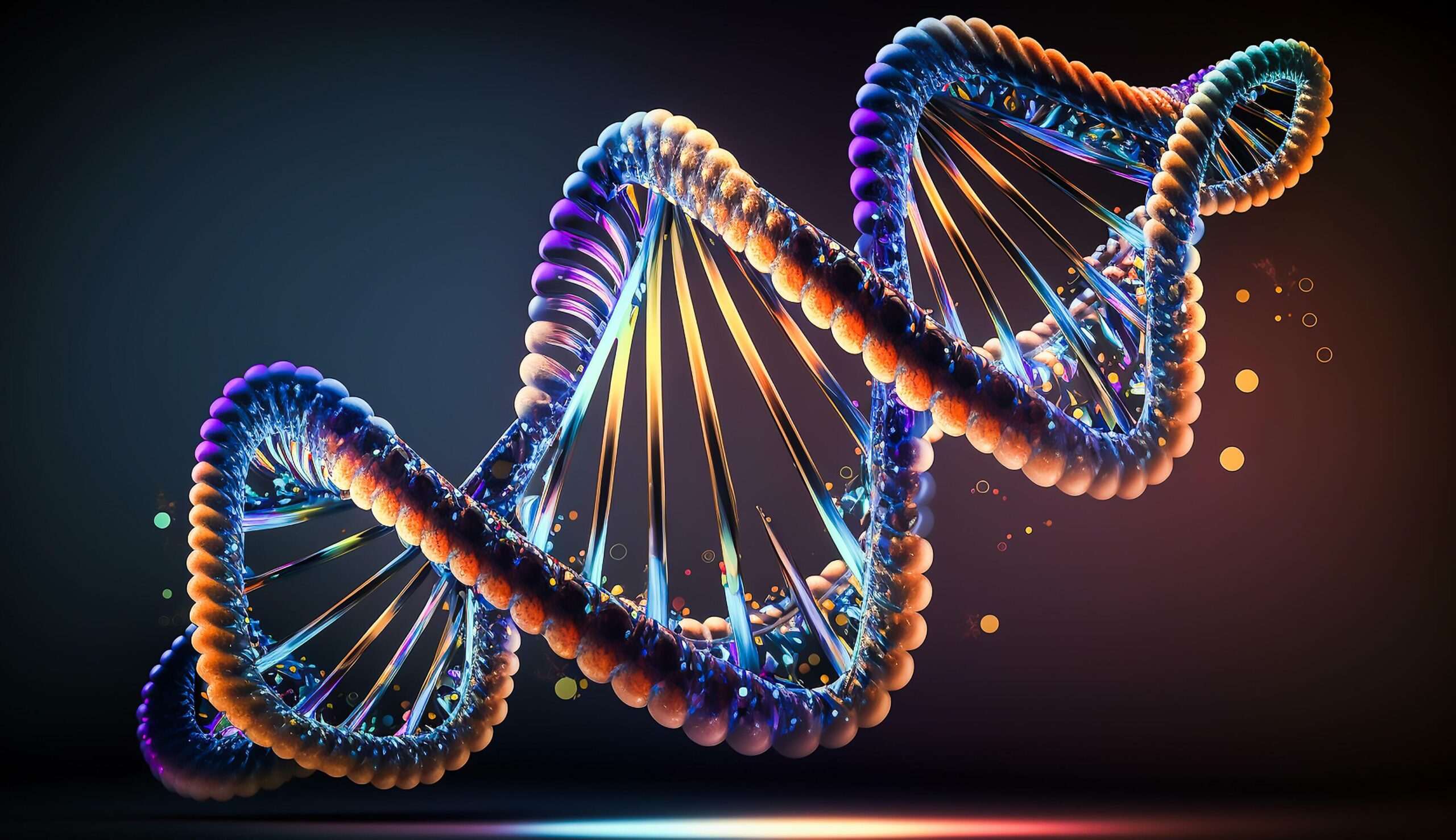
The recent passing of a luminary in the realm of molecular optics has generated a significant impact on both the scientific community and the broader public sphere. This individual, celebrated for pioneering innovations in DNA imaging technologies, has not only advanced the field of molecular biology but has also spurred a paradigm shift in the way researchers perceive genetic material.
The legacy of this scientist is intricately tied to their groundbreaking contributions to DNA imaging, a niche that encompasses sophisticated techniques harnessing molecular optics. Through the meticulous application of innovative methodologies, this pioneer was able to visualize the intricate structures and dynamics of deoxyribonucleic acid (DNA) in ways that were previously unattainable. Their work illuminated the complexity of genetic sequences and molecular interactions, offering unprecedented insights into cellular mechanisms.
One of the notable achievements of this researcher was the development of ultra-resolution imaging techniques. Utilizing cutting-edge fluorescence microscopy, they managed to elucidate the spatial organization of chromatin within the nucleus. By integrating various imaging modalities and advanced computational methods, a new understanding of the epigenetic landscape was established, unlocking the doors to previously enigmatic biological processes. Such revelations have far-reaching implications, fostering new avenues of research in genetics, genomics, and therapeutic applications.
The application of these imaging techniques extended beyond basic science into the realms of personalized medicine. By employing high-resolution imaging strategies, clinicians began to dissect the genetic profiles of individual patients. This personalized approach to genetics honed the ability to tailor treatments based on unique DNA sequences, a transformative shift in medicine that promises enhanced efficacy and reduced adverse effects. The implications of this work are profound, potentially altering the foundation of therapeutic strategies in an era increasingly defined by precision medicine.
Moreover, the impact of this pioneer transcends the technical innovations alone; it lies in the cultivation of a new mindset among scientists. Traditional views often relegated DNA to a static entity, a mere blueprint for the biological machinery. However, through their pioneering lens, DNA was portrayed as a dynamic participant in cellular communication. Such a shift provoked a reevaluation of fundamental biological concepts, encouraging researchers to explore the kinetic and interactive nature of molecules within biological systems.
The tapestry of DNA elucidation weaves seamlessly with the foundations of molecular optics, merging two disciplines that were once considered disparate. This fusion has provided a unequivocal pathway to address some of biology’s most pressing questions, from the origins of genetic mutations to the intricacies of gene expression regulation. The scientific community must now grapple with the profound implications of this work as it permeates through various fields including biophysics, bioinformatics, and synthetic biology.
Furthermore, the legacy extends into the realm of education, where this pioneer has inspired a new generation of scientists. By emphasizing the importance of interdisciplinary approaches, they championed the idea that innovative discoveries often emerge at the confluence of disciplines. The narrative they forged in academia encourages current and future scholars to traverse the bridges between optics, molecular biology, and genetic engineering, thus fueling their exploratory instincts and aspirations toward groundbreaking research.
In the wake of this loss, the scientific community must reflect on the significance of cultivating curiosity in the pursuit of knowledge. The methodologies developed in the pursuit of DNA imaging—from super-resolution techniques to advances in photonic technologies—serve as a testament to the potential of inquisitive minds unbound by traditional boundaries. As the field continues to evolve, it is imperative that researchers maintain a relentless pursuit of the unknown, inspired by the profound contributions of this visionary scientist.
As this pioneer embarks on their final journey, existing literature and ongoing studies will continue to resonate with their ethos of inquiry and innovation. Calls to honor their memory by advancing the frontiers of DNA imaging are echoing throughout laboratories worldwide. The commitment to explore the myriad of possibilities within molecular optics reflects the indelible mark they have left upon the scientific landscape.
Ultimately, the passing of such a vital figure serves as a somber reminder of the transient nature of life. However, the ideas, methodologies, and inspirations they have imparted ensure that their influence will endure. The landscape of DNA research is irrevocably altered; the lens through which scientists view the complexities of life itself has shifted. This evolution not only piques curiosity among researchers but also beckons new revelations that may some day unravel the very mysteries of life, pushing the boundaries of science into previously uncharted territories.
As we commemorate the contributions of this individual, it becomes increasingly clear that their spirit will continue to inspire scientists for generations to come. The fusion of innovation and inquiry they championed will reverberate through the halls of academia, driving the next wave of advancements in molecular optics and beyond. In recognizing this formidable figure, the scientific community is urged not merely to mourn a loss but to embrace the promise of continued exploration and discovery in the vast universe of molecular biology.